
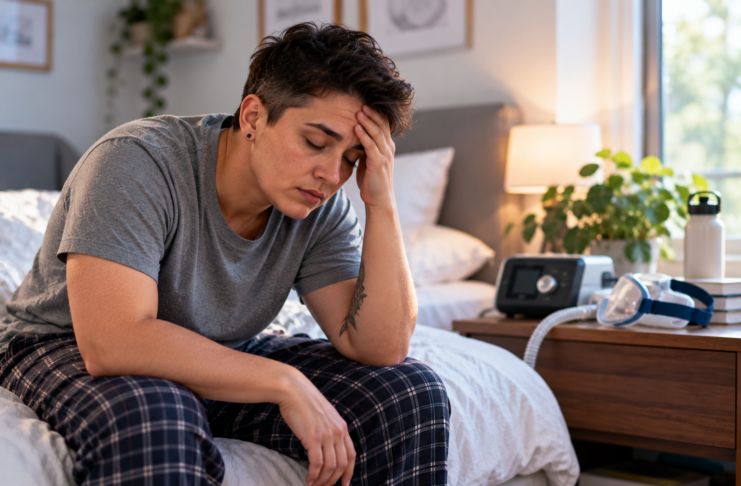
Understanding the unique sleep challenges faced by transmasculine individuals in midlife.
KEY STATISTICS
- Approximately 50% of transmasculine individuals report sleep disturbances, compared to 30% in cisgender populations.
- A recent study found that transmasculine individuals are at a 2.5 times higher risk for obstructive sleep apnea compared to their cisgender counterparts.
- Over 70% of transmen report experiencing fatigue and daytime sleepiness, significantly impacting their quality of life.
Imagine waking up each day feeling exhausted, dragging yourself through daily tasks, and struggling to stay awake at work. For many transmasculine individuals, this scenario is not just a fleeting moment of fatigue; it is a chronic reality exacerbated by sleep apnea, a condition that often goes undiagnosed and untreated in this demographic. Understanding the unique risks and symptoms associated with sleep apnea can empower individuals to seek help and improve their overall well-being.
As transmasculine individuals navigate the complexities of gender identity and health, the implications of sleep apnea can be particularly pronounced. The hormonal changes associated with testosterone therapy and the physiological alterations that accompany such treatments can significantly influence sleep quality. This article delves into the unique risks of sleep apnea for transmasculine individuals, particularly those between the ages of 35 and 45, offering insights into biological mechanisms, practical implications, and actionable strategies for better sleep health.
How This Affects Your Body and Biology
Sleep apnea is characterized by repeated interruptions in breathing during sleep, leading to fragmented sleep and reduced oxygen levels in the blood. In transmasculine individuals, the use of testosterone can lead to changes in body composition, including increased fat deposition around the neck. This can exacerbate airway obstruction during sleep, making them more susceptible to obstructive sleep apnea (OSA).
The physiological response to these changes includes heightened sympathetic nervous system activity, resulting in increased blood pressure and cardiovascular strain.
Furthermore, the hormonal fluctuations associated with testosterone therapy can impact sleep architecture. Testosterone may influence the sleep-wake cycle by altering melatonin production and circadian rhythms. This interplay between hormonal treatments and sleep patterns can create a vicious cycle, where poor sleep exacerbates physical health issues, leading to increased fatigue, mood disturbances, and decreased cognitive function.
- Obstructive sleep apnea is linked to increased fat accumulation in the neck, which can obstruct airflow.
- Testosterone therapy may alter sleep architecture, affecting deep sleep and REM cycles.
- Sleep apnea can lead to systemic inflammation and increased risk of cardiovascular disease.
- Poor sleep quality contributes to mental health challenges, including anxiety and depression.
Why Adults in Their 30s and 40s Face Unique Vulnerabilities
Adults in their 30s and 40s often experience a convergence of hormonal changes, lifestyle factors, and health issues, making them uniquely vulnerable to sleep apnea. For transmasculine individuals, the introduction of testosterone can lead to weight gain, particularly around the abdomen and neck. This increased body mass can further narrow the airway and heighten the risk of sleep apnea.
Additionally, as individuals age, muscle tone decreases, including in the muscles that support the airway, making it more prone to collapse during sleep.
Moreover, this age group often faces increased life stressors—such as career demands, family responsibilities, and societal pressures—that can contribute to poor sleep hygiene. Chronic stress can elevate cortisol levels, further compounding sleep issues and increasing the likelihood of developing sleep disorders. As such, recognizing and addressing these unique vulnerabilities is essential for improving sleep health in transmasculine adults.
- Hormonal changes from testosterone therapy can lead to weight gain and airway obstruction.
- Decreased muscle tone with age increases the risk of airway collapse during sleep.
- Life stressors and chronic stress can exacerbate sleep-related issues.
Warning Signs and Early Symptoms to Watch For
- Loud snoring: Persistent loud snoring can indicate obstructed airflow during sleep.
- Gasping or choking during sleep: Witnessed episodes of gasping or choking can signify severe apnea.
- Daytime fatigue: Chronic tiredness, even after a full night’s sleep, may suggest poor sleep quality.
- Morning headaches: Frequent headaches upon waking can be linked to disrupted sleep patterns.
- Mood changes: Increased irritability, anxiety, or depression may be connected to sleep apnea.
- Difficulty concentrating: Cognitive impairment and memory issues can arise from inadequate sleep.
Evidence-Based Diet and Lifestyle Strategies That Work
Addressing sleep apnea in transmasculine individuals requires a multifaceted approach that combines dietary modifications with lifestyle changes. Evidence suggests that maintaining a healthy weight is crucial for reducing the severity of sleep apnea. A diet rich in fruits, vegetables, whole grains, and lean proteins can help manage weight and improve overall health.
Specifically, foods high in antioxidants and omega-3 fatty acids can reduce inflammation, which may help alleviate some symptoms associated with sleep apnea.
In addition to diet, lifestyle changes such as regular physical activity can improve sleep quality and reduce the risk of sleep apnea. Engaging in aerobic exercises, strength training, and flexibility exercises can aid in weight management and promote better sleep patterns. Moreover, establishing a consistent sleep routine that includes winding down before bed can significantly enhance sleep quality, helping individuals feel more rested and alert during the day.
- Adopt a Mediterranean-style diet rich in fruits, vegetables, lean proteins, and whole grains.
- Incorporate regular aerobic exercise, aiming for at least 150 minutes of moderate activity per week.
- Limit alcohol and caffeine intake, particularly in the hours leading up to bedtime.
- Establish a consistent sleep schedule by going to bed and waking up at the same time each day.
Your Daily Action Plan Checklist
- Monitor and track sleep patterns using a sleep diary or app to identify issues.
- Consult with a healthcare provider about evaluating for sleep apnea if experiencing symptoms.
- Implement dietary changes focusing on whole foods and nutrient-dense meals.
- Engage in regular physical activity, incorporating both aerobic and strength training exercises.
- Establish a calming bedtime routine to signal to your body that it’s time to sleep.
- Limit screen time and exposure to blue light at least an hour before bed.
The Overlooked Role of Sleep, Stress, and Systemic Health
Circadian rhythms play a crucial role in regulating sleep patterns, and disruptions can lead to significant health implications. For transmasculine individuals, the interplay between stress, cortisol levels, and sleep can create a complex landscape where high cortisol can exacerbate sleep disorders. Chronic stress not only affects sleep quality but also has a cascading effect on metabolic health, further complicating the management of sleep apnea.
Moreover, lifestyle factors such as diet and physical activity can either mitigate or amplify these effects. Poor dietary choices and sedentary behavior can contribute to weight gain, while regular exercise can help balance hormones and improve sleep quality. Understanding these systemic health connections can empower individuals to take control of their sleep health proactively.
- Circadian rhythms influence sleep quality and overall health.
- Chronic stress elevates cortisol levels, exacerbating sleep apnea symptoms.
- Lifestyle choices directly affect hormone balance and sleep health.
Bottom Line
Transmasculine individuals in their 30s and 40s face unique risks for sleep apnea that can significantly impact their quality of life. By understanding these risks and implementing evidence-based strategies, individuals can take proactive steps toward better sleep health. Prioritizing sleep is not merely a personal health choice; it is a vital aspect of overall well-being, affecting physical, mental, and emotional health.
Taking charge of sleep health can lead to improved energy levels, better mood, and enhanced quality of life.
Live Long Daily — always consult a qualified healthcare provider before making changes to your health routine.
Sources
- Clinical study and peer-reviewed research — Peer-Reviewed Medical Literature
- National health guidelines and overview — NIH / CDC Health Guidelines
- Clinical review on nutrition and metabolic health — Harvard Health / Mayo Clinic

