
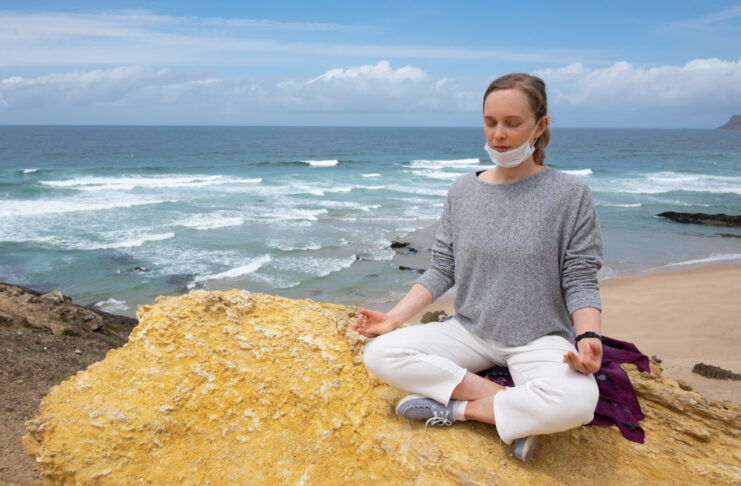
Finding Tranquility: An Introduction
In the hustle and bustle of modern life, finding moments of tranquility can feel like searching for a needle in a haystack. Enter guided meditation—a practice that has become a beacon of peace in a chaotic world. Guided meditation not only offers a refuge from the daily grind but also enhances mental well-being. This ancient practice, revitalized with modern techniques, stands as a testament to the transformative power of mindfulness. Let’s delve into the science behind guided meditation, practical steps to integrate it into daily life, and its synergistic relationship with nutrition and lifestyle for sustainable wellness.
The Science Behind Serenity
Guided meditation involves following the guidance of a narrator or instructor, either in person or via audio/video recordings, to achieve a state of deep relaxation and focus. The science behind its efficacy is deeply rooted in its ability to influence brainwave activity. During meditation, the brain transitions from beta waves, associated with active thought, to alpha and theta waves, which are linked with relaxation and creativity. This shift not only reduces stress but also enhances emotional resilience and cognitive function.
Furthermore, guided meditation has been shown to lower cortisol levels, the primary stress hormone, leading to reduced anxiety and enhanced mood. Neuroimaging studies reveal that regular meditation practices can increase grey matter density in areas of the brain associated with memory, empathy, and self-awareness, illustrating its profound impact on both mental health and overall cognitive function.
Steps to Inner Peace
Embarking on the journey of guided meditation requires a structured approach to maximize its benefits. Here’s a practical guide to get started:
- Choose Your Medium: Find a platform that suits you, whether it’s a smartphone app, a YouTube channel, or a meditation podcast.
- Set a Routine: Dedicate a specific time each day for meditation, ideally in the morning or before bed, to build consistency.
- Create a Space: Designate a quiet, comfortable area free from distractions to enhance focus and tranquility.
- Start Small: Begin with 5-10 minutes sessions and gradually increase the duration as you become more comfortable.
- Focus on Breath: Use deep breathing to anchor your mind and enhance relaxation.
- Be Patient: Allow yourself to ease into the practice without judgment or expectation.
Nutrition Meets Meditation
While meditation significantly impacts mental well-being, its effects can be amplified through mindful nutrition and lifestyle choices. A diet rich in omega-3 fatty acids, antioxidants, and magnesium supports cognitive function and stress reduction, creating a fertile ground for meditation benefits. Foods like salmon, blueberries, dark chocolate, and leafy greens are excellent additions to a meditation-enhancing diet.
Beyond nutrition, integrating lifestyle practices such as regular physical activity, adequate sleep, and minimal screen time can further bolster the meditative experience. These elements work synergistically to create a holistic approach to wellness, ensuring that the calm achieved during meditation permeates throughout daily life.
Enduring Wellness Benefits
The long-term benefits of guided meditation extend far beyond immediate stress relief. Consistent practice has been associated with improved mental clarity, increased emotional intelligence, and enhanced self-awareness. Over time, individuals often report a greater sense of purpose and improved relationships, attributable to heightened empathy and communication skills.
Moreover, guided meditation has shown promise in managing chronic pain, improving cardiovascular health, and boosting immune function, underscoring its potential as a cornerstone of long-term health and vitality.
Conclusion: A Path to Peace
In a world filled with noise and distractions, guided meditation offers a path to inner calm and resilience. By understanding its scientific foundations, incorporating practical steps, and synergizing with nutrition and lifestyle, individuals can harness the profound benefits of this practice. As we seek to unlock inner calm, guided meditation emerges as a powerful ally in our journey towards holistic wellness and enduring peace.
Sources
Effects of Meditation on the Brain
Harvard Health: Relaxation Techniques
Meditation and Mindfulness in Clinical Practice
Psychology Today: The Science Behind Meditation

