
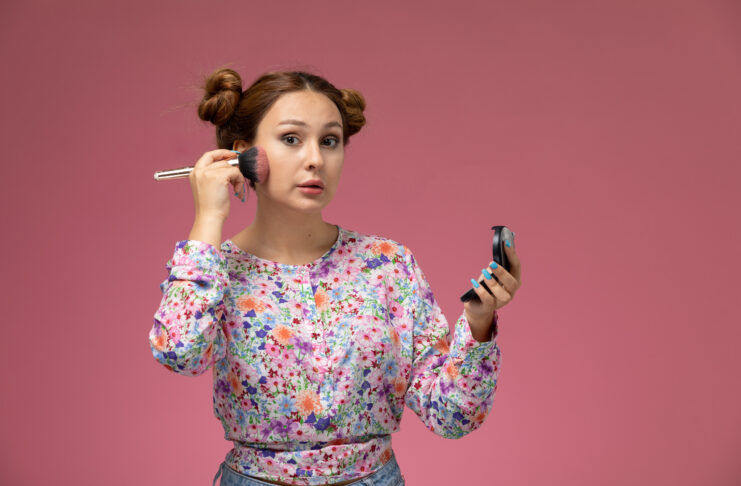
Makeup has long been an integral component of human grooming and has played an important role in the process of self-expression. From ancient Egypt to today’s beauty business, makeup has undergone significant change and developed into an essential component of the routines of a significant number of individuals. However, the appeal of cosmetics also comes with certain responsibilities, and one of the most important parts is having a solid awareness of the expiration date of the beauty products you use. Even though many individuals probably don’t pay much attention to the expiration dates on the beauty products they buy, applying makeup that has passed its expiration date can put your skin and your health in general at severe danger. This post will shed light on the potential effects of wearing expired makeup as well as the need of being careful of the shelf life of your cosmetics. We will examine the four dangers of using makeup that has expired and how it can affect your health.
The Potential for the development of Bacteria
The risk of bacterial development is one of the key risks associated with using old cosmetics. Makeup products only have a certain shelf life since their preservatives expire. After the date of expiration has passed, these preservatives will no longer be effective, leaving your makeup open to the possibility of being contaminated by microorganisms.
In particular bacteria, which have the potential to flourish in moist and creamy cosmetics such as foundation, concealer, and lip gloss that have passed their expiration date. If dry makeup items like powders and eyeshadows come into touch with moist brushes or fingers, then they become susceptible to bacterial contamination just like any other type of makeup.
When you wear a makeup product that has passed its expiration date, you are effectively providing a fertile environment for bacteria to grow on your skin. This can result in a variety of skin problems, some of which include acne, rashes, and infections.
Skin Irritation and Allergic Reactions:
Expired makeup items may not only house bacteria but also experience changes in their chemical composition over the course of time. This can cause skin irritation and allergic reactions. Because of these alterations, the original product may now contain allergens or irritants that weren’t there before. When you apply makeup that has expired, your skin is more likely to have a negative reaction to the newly produced components in the makeup, which can result in skin irritation, redness, itching, and even allergic reactions.
For instance, goods like as mascara, eyeliner, and eyeshadow might cause eye irritation if they are used after the expiration date has passed. These products have the potential to cause harm to the sensitive skin surrounding the eyes, which can lead to disorders such as conjunctivitis and styes. In a similar manner, lip cosmetics that have expired can lead to allergic responses and dermatitis of the lips.
Decreased Efficacy:
When cosmetics have reached the end of their shelf life, they are no longer as effective as they once were. For instance, foundation might not provide the same degree of coverage, eyeshadows might lose their pigmentation, and lipstick might not have the same staying power after application.
On the other hand, using such products will not only leave you disappointed but will also have an adverse effect on your skin. When used after its expiration date, sunscreen, for example, can be detrimental since it may no longer provide adequate protection from the sun. This puts your skin at risk of sunburn as well as long-term damage from the sun.
Acne Breakouts:
Acne breakouts are one of the most common skin problems that are related with using cosmetics that has expired. As was noted before, wearing makeup products that include preservatives that have expired can result in the growth of bacteria. Acne can be caused by the combination of bacterial contamination and the occlusive nature of cosmetics, both of which can clog pores and make acne worse. Specifically, cystic acne is a severe kind of acne, and using makeup that has passed its expiration date has the potential to either bring it on or make it worse.
It is essential to keep a close eye on the expiration dates of your cosmetics and to clean your makeup brushes and other cosmetics-related implements on a regular basis in order to reduce the likelihood of bacterial contamination and subsequent acne outbreaks.
Makeup has an obvious charm, but many people choose to ignore the possible risks that come with wearing cosmetics that have beyond their expiration date. These kinds of products are known to cause a variety of adverse effects, such as the development of bacteria, irritation of the skin, allergic responses, a reduction in efficacy, acne outbreaks, and eye infections. Therefore, it is essential to check the expiration dates on your makeup items and stick to them in order to safeguard your skin as well as your overall health. You may also enjoy the benefits of makeup while minimizing the risk to your health by maintaining proper hygiene, which includes thoroughly cleaning your makeup brushes and instruments on a regular basis and preventing the sharing of outdated cosmetics with other people.

