
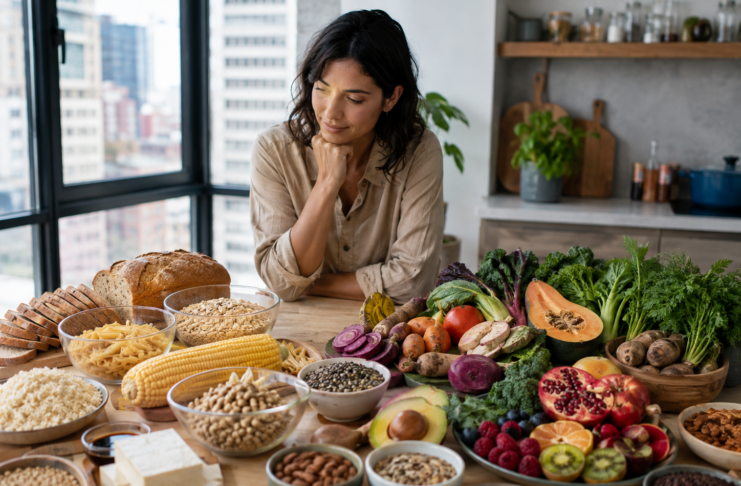
Urban food systems have disconnected us from ancestral eating patterns—and research shows it matters for your health.
KEY STATISTICS
- Indigenous food systems historically sustained diverse populations across continents with nutrient density modern agriculture often overlooks.
- Urban food environments in North America are dominated by a narrow range of commodity crops, limiting access to biodiverse whole foods.
- Reconnecting to place-based, culturally rooted foods in cities requires intentional community infrastructure—farmers markets, seed libraries, and knowledge-sharing networks.
If you live in a city, your dinner plate likely comes from three or four industrial crop systems. Corn, soy, wheat, and a handful of commodity vegetables dominate urban supermarket shelves—a sharp departure from the extraordinary food diversity your ancestors relied on. But what if that narrowing has quietly reshaped not just what we eat, but how our bodies process food?
New research into indigenous food systems and urban nutrition suggests that rebuilding community access to traditional, place-based foods may be one of the most underestimated nutrition strategies available to busy adults.
The Nutrition Science Behind Local Foods
Indigenous food systems developed over thousands of years in specific geographies, creating deep nutritional alignment with local ecosystems and human physiology. When urban food networks are built entirely on global commodity chains, we lose not just diversity but also the phytonutrient complexity and seasonal eating patterns that shaped human metabolism.
- Indigenous foods often contain higher micronutrient density and bioavailable forms due to soil health and breeding for taste, not shelf life.
- Seasonal eating patterns align with natural circadian rhythms and gut microbiota cycles—modern year-round commodity production disrupts these signals.
- Community-grown and place-based foods reduce processing steps, preserving heat-sensitive vitamins and polyphenols lost in industrial supply chains.
- Traditional preparation methods (fermentation, soaking, cooking techniques) increase nutrient absorption compared to raw consumption of industrially grown produce.
Why Your 40s Matter for Food Diversity
Adults aged 35 to 45 are at a critical inflection point. You likely have established eating habits shaped entirely by industrial food systems, yet your metabolic capacity to adapt to nutrient-dense whole foods remains strong. Missing out on food diversity during this decade accelerates age-related nutrient depletion and reduces your metabolic resilience heading into later life.
- Micronutrient absorption declines with age; rebuilding intake of bioavailable foods now creates a metabolic buffer for decades ahead.
- Urban professionals in this age group often rely on convenience foods and restaurant meals—outsourcing food knowledge that reconnecting can restore.
- Family food culture becomes hardest to change after 45; mid-40s is the window to shift your household’s relationship to seasonal, local eating.
- Community food networks activate social cohesion and stress reduction—protective factors that strengthen immune function and longevity.
Signs Your Food System Needs Rebuilding
- Persistent fatigue despite adequate sleep, signaling micronutrient deficiency from nutrient-poor commodity foods.
- Digestive complaints (bloating, irregular transit, poor satiety) after meals from high-processing, low-fiber industrial products.
- Seasonal mood dips and afternoon energy crashes, reflecting loss of seasonal eating alignment with circadian rhythm.
- Limited knowledge of food origins or seasons—you cannot name what grows in your region or when.
- Reliance on supplement pills rather than whole-food sources, compensating for real food gap rather than solving it.
- Family meals revolve around packaged or restaurant food; no shared cooking or gardening practice with household members.
Dietary and Community Shifts That Work
Rebuilding community around indigenous and place-based foods doesn’t require moving to a farm or abandoning urban life. It requires intentional connection to three systems: where food comes from, who grows it, and how seasonal cycles shape what you eat.
- Identify indigenous foods native to your region’s geography and locate small producers or seed-saving networks already cultivating them.
- Commit to one farmers market visit weekly, prioritizing vendors who can name their growing practices and seed lineages.
- Learn one traditional preparation method per season (fermentation, slow cooking, or sprouting) to increase nutrient bioavailability.
- Plant even one perennial food crop (fruit bush, herb, or heirloom vegetable) on your property or in a community garden plot.
Your Seven-Step Action Checklist
- Research indigenous food plants native to your city’s watershed or region—start with a local food sovereignty or indigenous agriculture organization.
- Join or start a seed-sharing circle or community food club focused on heritage varieties; commit to 4-week trial participation.
- Schedule a monthly meal preparation session with one family member or friend using seasonal, locally sourced whole ingredients.
- Identify one restaurant, producer, or market vendor working explicitly with indigenous or heirloom food systems and support them monthly.
- Track your meals for two weeks, noting which foods come from within 50 miles and which are industrial imports—set a target to shift 30% toward local.
- Attend one food-sovereignty or seed-saving workshop in your city to deepen knowledge and expand your network.
- Start a kitchen compost or garden project to reconnect with food cycles—even apartment dwellers can maintain a small herb or sprout setup.
The Overlooked Stress-Reduction Benefit
The stress-reduction and community-cohesion benefits of food-centered social connection are as measurable as the nutritional gains. Eating alone from packaged foods creates isolation; gathering to prepare and share food activates parasympathetic nervous system recovery and reduces cortisol.
- Food preparation and gardening are active meditation practices, lowering cortisol and supporting sleep quality.
- Shared meals with community members strengthen social bonds, reducing loneliness—a mortality risk equal to smoking.
- Knowledge exchange about food origins and growing practices restores sense of agency and competence, directly lowering anxiety.
- Seasonal eating creates natural rhythms and anticipation, stabilizing mood and reducing depression risk common in urban environments.
Bottom Line
You don’t need perfection—just intention. Rebuilding your relationship to food by reconnecting with indigenous and place-based options in your city is a practical, measurable way to improve both nutrition and mental health during a critical decade for long-term wellness. Start small: one weekly farmers market visit, one seed-saving conversation, one meal with community.
The shift from anonymous commodity eating to known-source, community-rooted food is both an act of health and an act of belonging.
Live Long Daily — always consult a qualified healthcare provider before making changes to your health routine.
Sources
- Building Community around Food in Urban Spaces: Considering Connecting and (Re)connecting to Indigenous Foods in the City — Current Developments in Nutrition
- General dietary guidance and nutrition recommendations — CDC

