
Introduction
When people think about healthy‑looking hair, the focus often goes straight to strands—shine, smoothness, thickness, or styling products. Yet the scalp, where every hair strand begins, plays a foundational role in how hair looks and feels overall. Scalp comfort refers to a balanced, calm state where the skin on the scalp feels neither overly dry nor overly oily, and free from persistent irritation or tightness. When the scalp is comfortable, it creates a supportive environment for hair to appear smoother, fuller, and more manageable. Understanding why scalp comfort matters for hair look helps shift attention from surface fixes to the conditions that support hair from the root upward.
The Scalp Is the Foundation of Hair
Hair grows from follicles embedded in the scalp.
The scalp supplies nutrients to hair roots
A balanced scalp supports consistent hair growth cycles
Scalp condition influences strand strength and texture
Just like soil affects plant health, scalp comfort influences how hair appears above the surface.
How Scalp Comfort Affects Hair Texture
The feel of hair is closely linked to scalp balance.
A comfortable scalp supports smoother strands
Excess dryness can affect hair softness
Imbalance may make hair feel rough or dull
When the scalp is balanced, hair often feels more flexible and easier to manage.
Oil Balance and Hair Appearance
Natural oils play an important role in hair look.
The scalp produces oils that protect hair
Balanced oil distribution supports natural shine
Discomfort may disrupt even oil flow
A comfortable scalp helps maintain oil balance, contributing to hair that looks healthier and less weighed down.
Scalp Comfort and Hair Shine
Shine is often a sign of balance.
Even oil distribution supports light reflection
Calm scalp conditions support smoother cuticles
Balanced roots support consistent shine
When the scalp feels settled, hair is more likely to reflect light evenly and look naturally glossy.
Reduced Irritation Supports Better Styling
Scalp discomfort can affect daily hair routines.
Irritation may make styling uncomfortable
Sensitivity can limit brushing or handling
Comfort supports confidence in hair care
A comfortable scalp allows for gentler, more consistent hair care practices that support appearance over time.
The Role of Hydration in Scalp Comfort
The scalp is skin, and it responds to hydration.
Balanced hydration supports scalp flexibility
Well‑hydrated skin supports hair root comfort
Dehydration may affect scalp ease
When scalp skin feels comfortable, hair often looks more relaxed and less brittle.
Stress and Scalp Sensitivity
Internal stress can show up on the scalp.
Stress may increase scalp tension
Sensitivity can affect hair handling
Calm routines support scalp balance
Supporting overall calm helps maintain a scalp environment that supports better‑looking hair.
Cleansing Balance and Scalp Ease
How the scalp is cleansed affects comfort.
Over‑cleansing may disrupt natural balance
Gentle cleansing supports scalp calm
Balanced care supports consistent comfort
A comfortable scalp is often the result of steady, gentle care rather than frequent or harsh changes.
Scalp Comfort and Hair Volume
Hair volume often starts at the roots.
Comfortable roots support natural lift
Balanced scalp conditions prevent heaviness
Calm skin supports fuller‑looking hair
When the scalp feels light and settled, hair often appears more voluminous and lively.
Long‑Term Scalp Balance Shapes Hair Look
Hair appearance reflects long‑term patterns.
Daily scalp comfort builds over time
Small imbalances can accumulate gradually
Consistency supports lasting results
Supporting scalp comfort regularly matters more than occasional treatments.
Simple Ways to Support Scalp Comfort
Small habits can make a noticeable difference.
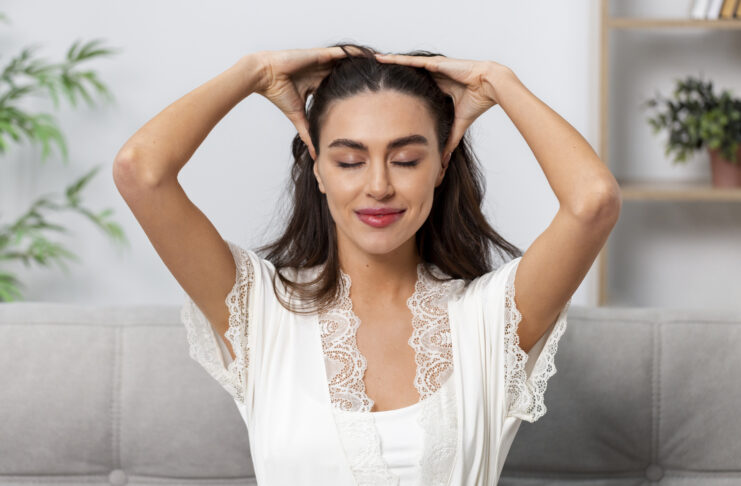
Gentle massage during washing
Avoiding excessive product buildup
Maintaining consistent hair care routines
These actions support a calm scalp environment that benefits hair appearance.
Takeaway: A Comfortable Scalp Supports Better‑Looking Hair
Scalp comfort matters for hair look because it creates the foundation from which healthy‑looking hair emerges. When the scalp is balanced, calm, and well supported, hair is more likely to appear smoother, shinier, fuller, and easier to manage. While styling products can enhance the surface, true hair appearance is shaped at the root. By prioritizing scalp comfort through gentle care, hydration, balance, and consistency, you support hair that doesn’t just look good temporarily—but reflects long‑term wellness from the scalp outward.

