
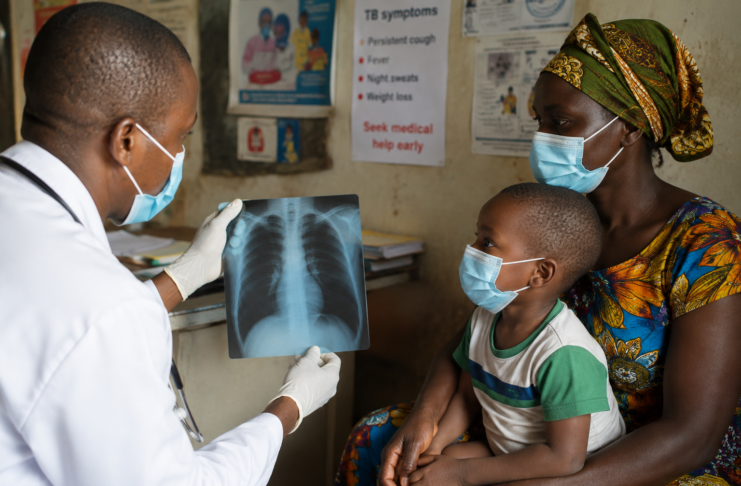
*How a portable imaging tool is changing tuberculosis diagnosis in low-resource clinics—and what it means for global health equity*
KEY STATISTICS
- Tuberculosis remains a leading infectious disease threat in resource-limited regions, where diagnostic delays directly impact treatment outcomes.
- Point-of-care ultrasound (POCUS) offers a non-invasive, radiation-free alternative to traditional imaging in settings where technology access is severely constrained.
- Real-world implementation studies reveal both promise and practical barriers when deploying ultrasound in pediatric TB diagnosis across low-income countries.
If you live in a wealthy country with reliable medical infrastructure, you likely assume tuberculosis is a disease of the past. But in parts of the world where resources are scarce—Uganda, sub-Saharan Africa, and beyond—TB remains a stubborn killer, especially in children. The challenge isn’t just the disease itself.
It’s diagnosis. Traditional imaging requires equipment, electricity, and expertise that many remote clinics simply don’t have. A recent study from Uganda examined whether portable ultrasound machines could bridge that gap, revealing what works, what doesn’t, and why the path to better TB detection in resource-poor settings is far messier than it sounds.
How Ultrasound Finds TB
Point-of-care ultrasound (POCUS) uses handheld machines to create real-time images without radiation, X-rays, or the heavy machinery of traditional radiography. For tuberculosis—particularly in children, where diagnosis is already difficult—ultrasound can reveal lung changes, fluid buildup, and lymph node enlargement that suggest active disease. The appeal is obvious: no radiation, no transport to distant hospitals, results on the same day.
- POCUS detects pleural effusion (fluid around the lungs) and parenchymal consolidation (lung tissue changes) consistent with TB infection.
- Unlike X-ray or CT, ultrasound requires no ionizing radiation and functions on battery power in remote settings.
- Skilled operators can identify lymph node enlargement and abscess formation that raise clinical suspicion for active disease.
- Image interpretation depends heavily on operator training and experience, making standardized protocols critical.
Why Children Face Steeper Risk
Children represent a uniquely vulnerable population for TB, both because they are more likely to progress from infection to active disease and because confirming TB in young patients is diagnostically challenging. In resource-limited settings, pediatric TB often goes undiagnosed until disease is advanced, leading to worse outcomes and continued community transmission.
- Pediatric TB is harder to confirm than adult TB: children cannot always produce sputum samples needed for traditional testing.
- In low-resource clinics, imaging is often the only diagnostic tool available when laboratory confirmation is not feasible.
- Delayed diagnosis in children increases risk of severe disease, including miliary TB (spread throughout the lungs) and TB meningitis.
- Portable ultrasound fills a critical gap where CT, X-ray facilities, or skilled radiologists are hours away or simply unavailable.
Signs Your Child Needs TB Screening
- Persistent cough lasting more than two weeks, especially in a child with known TB exposure or symptoms of fever and weight loss.
- Chest pain or difficulty breathing that worsens over days, particularly combined with signs of malnutrition or fatigue.
- Lymph node swelling in the neck, armpit, or groin paired with systemic illness in a child in a high-TB-prevalence region.
- Fever and night sweats that return after seeming to resolve, often with poor response to antibiotics used for common infections.
- History of contact with a confirmed TB patient in the household or community, even if the child shows no symptoms yet.
- Failure to thrive or growth delay in an infant or young child in settings where TB rates are high.
Steps to Reduce Risk and Aid Diagnosis
In resource-constrained settings, prevention and early detection rely on community-level strategies as much as individual behavior. Nutrition, living conditions, and access to healthcare all shape TB risk in ways that individual action alone cannot address. However, families can take practical steps to reduce transmission and improve outcomes when diagnosis occurs.
- Ensure close contacts of TB patients—especially children—receive preventive therapy (isoniazid) and regular screening, even without active symptoms.
- Improve nutrition: adequate protein, micronutrients (vitamin D, zinc), and calories support immune function and TB recovery.
- Reduce indoor air crowding and improve ventilation where possible; TB spreads through respiratory droplets in poorly ventilated spaces.
- Advocate for accessible, low-cost imaging and diagnostic services in your community clinic, particularly ultrasound over X-ray when available.
What You Can Do Right Now
- If your child has a known TB exposure or persistent cough, ask your health facility whether point-of-care ultrasound is available for initial screening.
- Bring a complete symptom history and timeline to appointments: cough duration, fever patterns, weight changes, and any night sweats matter for diagnosis.
- Request sputum or gastric aspirate testing if possible, even in young children; ultrasound is a useful screening tool, not a standalone confirmation.
- If ultrasound suggests TB, follow through with confirmatory testing (culture, GeneXpert MTB/RIF) and start treatment promptly—delays compound disease progression.
- Partner with community health workers or clinic staff to ensure preventive therapy is given to household contacts; transmission prevention is as critical as individual diagnosis.
The Implementation Reality
The Uganda study reveals a lesson often overlooked in global health: deploying new technology without addressing training, supply chains, and clinical integration rarely works. Even the best machines sit idle if staff aren’t trained, quality assurance is absent, or referral pathways to treatment are broken. This ‘implementation gap’ is where many promising tools fail.
- Operator training is non-negotiable: ultrasound quality and interpretation vary widely; standardized curricula and ongoing supervision are essential.
- Supply chain fragility: machines break down; parts, repairs, and technical support must exist or devices become useless.
- Integration into clinical workflow: if ultrasound results don’t lead to faster diagnosis and treatment, the technology adds cost without benefit.
- Trust matters: community acceptance of ultrasound as a valid diagnostic tool depends on visible results and clear communication about what images can and cannot confirm.
Bottom Line
Point-of-care ultrasound offers real promise for pediatric TB diagnosis in resource-limited settings, addressing a critical gap where traditional imaging is inaccessible. However, technology alone is not the answer. Success requires trained operators, reliable maintenance, clear clinical protocols, and seamless links to treatment.
For parents and health workers in low-resource regions, understanding both the potential and the limitations of ultrasound can help ensure that when TB is suspected, the right diagnostic tools are used promptly and findings actually lead to care.
Live Long Daily — always consult a qualified healthcare provider before making changes to your health routine.
Sources
- Implementability of Point-of-Care Ultrasound for Paediatric Tuberculosis Diagnosis in Resource-Constrained Settings: Experiences and Perspectives From Uganda — Tropical Medicine & International Health
- General guidance on tuberculosis diagnosis and management — WHO

