
Wednesday, March 18, 2026

Creating Valuable Content

Why Walking After Dinner Is Better Than Any Exercise

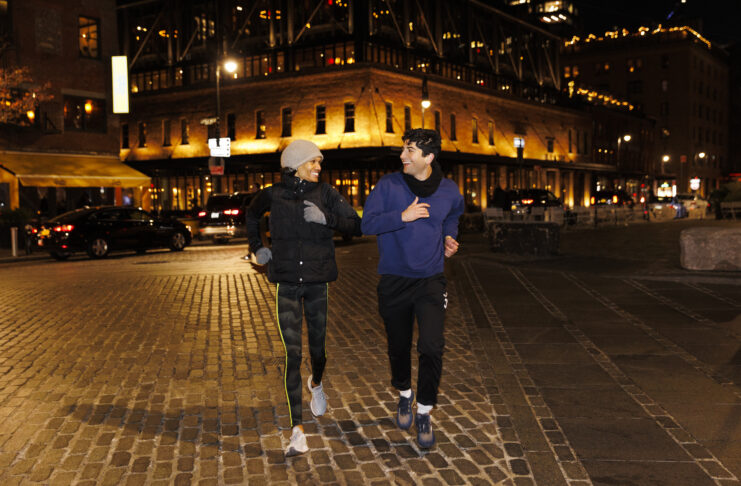
Many people finish dinner and immediately sit on the sofa, scroll their phone, or lie down in bed. This simple habit may feel relaxing, but it silently harms digestion, weight control, and heart health. One of the easiest and most powerful habits you can add to your daily life is a short walk after dinner. This gentle activity may look simple, but its benefits are stronger than many intense exercises when it comes to digestion, blood sugar control, and long‑term wellness.


Why After‑Dinner Time Is Important

  1. Your body focuses on digestion after dinner.
    When you eat, your digestive system becomes active. If you sit or lie down immediately, digestion becomes slow and heavy. This can lead to bloating, gas, acidity, and fat storage.
  2. Blood sugar rises after meals.
    After dinner, your blood sugar naturally increases. Without movement, this sugar remains high for longer hours, increasing the risk of diabetes and weight gain.
  3. Night habits affect your sleep and weight.
    Heavy digestion and high sugar levels disturb sleep quality and increase fat storage during the night.

What Happens When You Walk After Dinner

  1. Digestion becomes faster and smoother.
    A gentle walk helps food move properly through the digestive tract. This reduces bloating, heaviness, and stomach discomfort.
  2. Blood sugar becomes stable.
    Walking helps your muscles use glucose for energy. This naturally lowers blood sugar levels and reduces diabetes risk.
  3. Fat storage reduces.
    When your body uses sugar for energy, it stores less fat. This helps in weight management.
  4. Heart health improves.
    Even slow walking improves circulation and supports heart function.


How to Walk After Dinner

  1. Start your walk about 10 to 15 minutes after eating.
    This allows your stomach to begin digestion before movement.
  2. Walk at a relaxed pace.
    You should be able to talk comfortably while walking. No need to rush.
  3. Walk for 10 to 20 minutes.
    Even a short walk gives strong health benefits.
  4. Keep your posture straight.
    Straight posture improves breathing and digestion.

Why This Habit Works So Well

  1. It improves insulin sensitivity.
    Your body uses sugar better, which protects against diabetes.
  2. It improves gut movement.
    Regular walking keeps your digestive system active and healthy.
  3. It improves sleep quality.
    Light walking relaxes your body and prepares it for deeper sleep.
  4. It reduces stress.
    Even slow movement releases calming hormones that relax your mind.

Extra Health Tips

  1. Avoid lying down immediately after dinner.
    Give your body time to digest.
  2. Keep dinner light.
    Heavy meals increase fat storage and disturb sleep.
  3. Drink warm water after your walk.
    This supports digestion.
  4. Make walking a daily habit.
    Consistency gives the strongest results.

Final Thoughts

You don’t need heavy workouts to stay healthy. A simple walk after dinner can improve digestion, control blood sugar, support heart health, and help manage weight naturally. This habit is easy, free, and suitable for almost everyone. Start tonight and feel the difference within a few days. Small steps taken daily can create big health changes.

Source

Share Post

Related Articles

The Science Behind Optimal Hydration for Longevity

Introduction: The Elixir of LifeWater, often hailed as the elixir of life, is a fundamental pillar of health and vitality. While its significance in...

Spring Fitness Without Burnout

Introduction Spring often brings renewed motivation to get active. Longer days and better weather make it easier to exercise outdoors and build healthier habits. However, jumping into intense routines too quickly can lead to fatigue, soreness, or burnout. A balanced approach to fitness helps you stay consistent, energized, and injury‑free.Start Gradually After a less active winter, the body needs time to adjust. Increasing intensity too quickly can strain muscles and reduce motivation. According to the Centers for Disease Control and Prevention, gradual progression helps improve fitness safely and sustainably. Helpful tips: Begin with light to moderate workouts Increase intensity slowly over time Allow rest days between sessionsConsistency matters more than intensity.Mix Different Types of Exercise A balanced routine prevents overuse injuries and keeps workouts interesting. Include a mix of: Cardio (walking, cycling, jogging) Strength training (bodyweight or weights) Flexibility (stretching or yoga)This combination supports overall fitness and reduces burnout.Listen to Your Body Pushing through constant fatigue can lead to burnout or injury. Paying attention to how your body feels is essential. Signs you may need rest: Persistent soreness Low energy or motivation Poor sleep qualityThe National Institutes of Health highlights the importance of recovery in maintaining long‑term physical health. Rest and recovery are part of progress.Prioritize Recovery Recovery helps muscles repair and energy levels restore. Helpful recovery habits include: Getting enough sleep Staying hydrated Eating balanced meals with protein Including rest or low‑intensity daysRecovery supports performance and prevents burnout.https://youtu.be/oIGSf9IxLd4 Stay Hydrated and Nourished Proper hydration and nutrition are essential for maintaining energy during exercise. Focus on: Drinking water throughout the day Eating balanced meals with protein, carbs, and healthy fats...

Metabolism After 50 Explained

Introduction As people move into their 50s, many notice changes in weight, energy levels, and how their body responds to food and exercise. These changes are often linked to metabolism, the process by which the body converts food into energy. While metabolism naturally slows with age, understanding why this happens can help you take simple steps to support energy, strength, and overall health.What Is Metabolism? Metabolism refers to all the chemical processes that keep the body functioning, including: Converting food into energy Supporting breathing and circulation Repairing cells Regulating body temperatureAccording to the National Institutes of Health, metabolism is influenced by age, body composition, activity level, and genetics.Why Metabolism Slows After 50 Several natural changes contribute to a slower metabolism with age.Loss of Muscle Mass Muscle tissue burns more calories than fat, even at rest. After age 50, muscle mass tends to decline, which can reduce calorie burning.Hormonal Changes Hormones such as estrogen and testosterone play a role in metabolism. As these levels decline, the body may store fat more easily and burn energy more slowly.Reduced Physical Activity Lifestyle changes may lead to less daily movement, which can further slow metabolic rate.Changes in Energy and Weight A slower metabolism may lead to: Reduced energy levels Gradual weight gain Increased fat storage, especially around the abdomen Slower recovery after physical activityThe National Institute on Aging notes that these changes are a normal part of aging but can be managed with healthy habits.Supporting Metabolism After 50 Although metabolism naturally slows, certain habits can help support it.Stay Physically Active Regular movement helps maintain muscle mass and improve energy use. Helpful activities include: Strength training Walking or light cardio Stretching or yogaThe Centers for Disease Control and Prevention recommends consistent physical activity for metabolic and overall health.https://youtu.be/TSxafx_j59k Eat Balanced Meals Nutrition plays a key role in metabolic health. Focus on: Protein to support muscle maintenance...