
Introduction
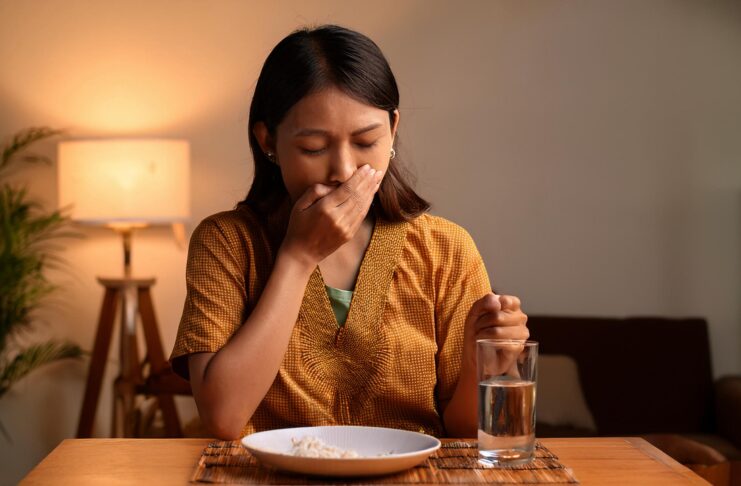
Feeling bloated after a heavy meal is common, but experiencing that same uncomfortable fullness after eating light can be confusing and frustrating. Many people assume bloating is only linked to overeating, yet even small or “healthy” meals can sometimes trigger it. This sensation—tightness, swelling, or pressure in the abdomen—can make you feel sluggish and uneasy throughout the day.
Bloating after light meals often points to underlying digestive inefficiencies, food sensitivities, or lifestyle habits that interfere with proper digestion. The body’s ability to break down and absorb nutrients depends on multiple factors, including gut health, eating patterns, and stress levels. By understanding what causes this reaction, you can take simple, practical steps to reduce discomfort and improve overall digestive well-being.
Understanding the Topic
Bloating occurs when the gastrointestinal tract becomes filled with gas or experiences difficulty moving food efficiently. This can happen regardless of meal size.
Even light meals can lead to bloating if digestion is slow, certain foods are poorly tolerated, or gut bacteria produce excess gas during the breakdown of food. In some cases, bloating may not be related to the amount of food at all, but rather how the body processes it.
How the Body/System Works
The digestive system begins processing food as soon as you eat. Enzymes break down nutrients, while stomach acid helps dissolve food into a usable form. The intestines then absorb nutrients and move waste forward.
Gut bacteria also play a critical role. They help ferment undigested food, producing gases like carbon dioxide and methane. Normally, these gases are released without discomfort. However, when digestion is inefficient or imbalanced, gas can build up, leading to bloating.
Efficient digestion depends on proper enzyme function, balanced gut bacteria, and smooth muscle movement in the intestines. Any disruption in these processes can cause discomfort even after small meals.
Main Causes / Factors
Several common factors can lead to bloating after light eating:
- Eating too quickly, causing air swallowing
- Poor digestion due to low stomach acid or enzyme levels
- Sensitivity to certain foods like dairy or gluten
- Imbalance in gut bacteria
- Constipation slowing down digestion
These issues can occur even if the meal itself is small or healthy.
Medical Conditions Linked
Persistent bloating may be associated with underlying digestive conditions such as:
- Irritable Bowel Syndrome – Causes bloating, gas, and irregular bowel habits.
- Lactose Intolerance – Leads to gas and discomfort after consuming dairy.
- Small Intestinal Bacterial Overgrowth – Excess bacteria in the small intestine produce gas.
- Celiac Disease – Triggers inflammation and bloating after gluten intake.
These conditions may require medical diagnosis and dietary management.
Lifestyle and Behavioral Factors
Daily habits often play a major role in bloating:
- Eating while distracted or stressed
- Skipping meals and then eating irregularly
- Drinking carbonated beverages
- Lack of physical movement after meals
- Chewing gum, which introduces extra air into the digestive system
Simple changes in behavior can significantly reduce symptoms.
Age or Risk Factors
Certain individuals are more prone to bloating:
- People with sensitive digestive systems
- Adults with sedentary lifestyles
- Individuals with a history of digestive disorders
- Women, due to hormonal fluctuations
- Older adults with slower digestion
Risk increases when combined with poor eating habits.
Other Contributing Factors
Additional factors that may contribute include:
- Hormonal changes, especially during menstrual cycles
- Dehydration, which affects digestion and bowel movement
- High intake of processed or salty foods
- Artificial sweeteners that are difficult to digest
These can subtly worsen bloating even when meals are small.
Symptoms to Watch For
Bloating may present along with:
- Abdominal swelling or tightness
- Excess gas or burping
- Mild stomach pain or discomfort
- Feeling full quickly
- Changes in bowel habits
- Visible distention of the abdomen
Persistent or severe symptoms may indicate deeper digestive issues.
When to Seek Medical Help
Consult a healthcare provider if:
- Bloating occurs frequently and does not improve
- There is significant abdominal pain
- You experience unexplained weight loss
- Symptoms interfere with daily life
- There are changes in bowel habits lasting more than a few weeks
Early evaluation helps identify and manage underlying causes effectively.
Prevention Tips
You can reduce bloating with simple, actionable habits:
- Eat slowly and chew food thoroughly
- Avoid carbonated drinks
- Stay hydrated throughout the day
- Identify and limit trigger foods
- Include fiber gradually in your diet
- Stay active, especially after meals
Consistency in these habits can improve digestion over time.
Treatment Overview
Treatment depends on the cause of bloating. Common approaches include:
- Dietary adjustments to eliminate trigger foods
- Probiotics to support gut health
- Digestive enzyme supplements
- Medications for underlying conditions
- Stress management techniques
In some cases, keeping a food diary can help identify patterns and triggers.
Conclusion
Bloating after eating light meals is often a sign that the digestive system needs attention, not necessarily that you are eating too much. Factors such as gut health, eating habits, and food sensitivities play a crucial role in how your body processes even small amounts of food.
By understanding the root causes and making simple lifestyle adjustments, you can reduce discomfort and improve digestion. Paying attention to how your body reacts to different foods and habits is key to long-term digestive health. With the right approach, it is possible to enjoy meals—no matter how light—without the burden of bloating.

