
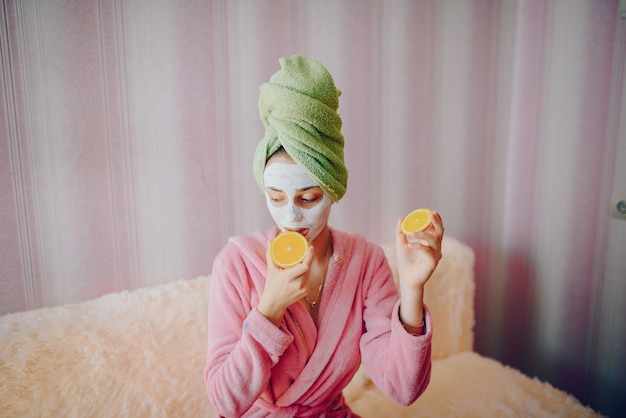
Embrace Nature’s Beauty
In a world where beauty products are often laden with chemicals and artificial ingredients, turning to nature is a refreshing alternative. DIY herbal masks have emerged as a beloved beauty hack, marrying the simplicity of natural ingredients with potent skin benefits. Harnessing the power of herbs can transform your beauty routine into a luxurious, spa-like experience right at home. But how do these humble plants work their magic on your skin? Let’s explore the science behind herbal masks and learn how to integrate them into your daily regimen.
The Herbal Alchemy
The allure of herbal masks lies in their rich tapestry of phytonutrients. Herbs like chamomile, aloe vera, and green tea boast a plethora of antioxidants, vitamins, and minerals. These components are essential in combating free radicals, those pesky molecules that accelerate aging and skin damage. Antioxidants, in particular, are the unsung heroes, neutralizing oxidative stress and promoting skin repair.
Additionally, many herbs contain anti-inflammatory properties. For instance, turmeric is renowned for its curcumin content, which significantly reduces inflammation and redness. This makes herbal masks an excellent choice for those with sensitive or acne-prone skin. Furthermore, the natural enzymes found in herbs can gently exfoliate and rejuvenate the skin, leaving it looking fresh and vibrant.
Create Your Own Elixir
Crafting your own herbal mask is not only cost-effective but also incredibly rewarding. Here’s how you can get started:
- Identify Your Skin Type: Determine whether your skin is oily, dry, combination, or sensitive. This will guide your choice of herbs.
- Choose the Right Herbs: For oily skin, consider using green tea or peppermint. Dry skin benefits from chamomile or calendula. Sensitive skin thrives with aloe vera or lavender.
- Gather Ingredients: In addition to herbs, gather complementary ingredients like honey, yogurt, or oatmeal for added benefits.
- Create the Mixture: Blend your chosen herbs with other ingredients to form a paste. Adjust consistency with water or rosewater as needed.
- Application: Apply the mask evenly to your face, avoiding the eye area. Leave it on for 15-20 minutes before rinsing with lukewarm water.
- Post-Mask Care: Follow up with a moisturizer to lock in hydration.
Harmonize with Lifestyle
While herbal masks work wonders on the skin, their effects are magnified when combined with a holistic lifestyle. A balanced diet rich in fruits, vegetables, and omega-3 fatty acids supports skin health from the inside out. Foods like berries and nuts are packed with antioxidants that complement the external application of herbal masks.
Moreover, staying hydrated and ensuring adequate sleep are fundamental for maintaining healthy skin. Herbal teas, such as chamomile or peppermint, not only supplement hydration but also have their own calming properties. Incorporating mindfulness practices like meditation can further enhance overall well-being, contributing to that radiant glow.
Pathway to Lasting Wellness
The transformation you seek is not just skin deep. Regular use of DIY herbal masks can lead to significant long-term benefits. Over time, the cumulative effect of antioxidants can slow down the aging process, reducing the appearance of fine lines and wrinkles. The natural exfoliation process can also result in a more even skin tone and texture.
Beyond aesthetics, the ritual of applying a mask can serve as a meditative practice, reducing stress and promoting mental clarity. This holistic approach to beauty fosters a deeper connection with oneself, encouraging self-care and mindfulness.
Embrace Herbal Harmony
Incorporating DIY herbal masks into your beauty routine is a journey toward embracing nature’s gifts. By understanding the science behind these potent plants and integrating them with a healthy lifestyle, you unlock a path to not only enhanced beauty but also holistic well-being. As you embark on this journey, remember that the power of herbs is not just in their immediate effects but in the lasting transformation they inspire.
Sources
The Antioxidant Properties of Plants
Anti-inflammatory Effects of Curcumin
Natural Skin Care with Plant Ingredients
Herbal Medicine in Dermatology

