
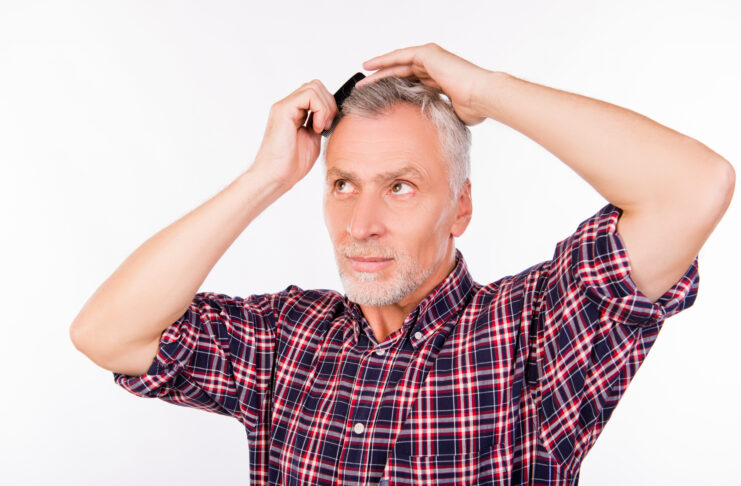
The silent progression of hair loss begins in your thirties — here’s how to stop it now
KEY STATISTICS
- 40% of people experience noticeable hair thinning by age 35, though changes begin 3-5 years earlier
- Men lose an average of 100 hairs daily after age 30, compared to 50-80 hairs in their twenties
- Early intervention can restore up to 30% of lost hair density within 12-18 months
You’ve been checking your hairline in bathroom mirrors, running fingers through strands that feel thinner than they used to. Maybe you’ve noticed more hair in the shower drain or that your ponytail doesn’t feel as thick. Here’s what most people don’t realize: the hair loss you’re noticing now actually started years ago. The follicles began their gradual retreat when you were in your early thirties, operating on a timeline so subtle that by the time you see visible changes, significant damage has already occurred.
How Hair Loss Actually Works
Hair loss follows a predictable biological cascade that begins with dihydrotestosterone (DHT), a hormone derived from testosterone. DHT binds to hair follicles, particularly those along the hairline and crown, causing them to shrink progressively over time. This process, called miniaturization, doesn’t happen overnight.
Each hair growth cycle becomes shorter and produces thinner, weaker strands. The follicle gradually loses its ability to produce terminal hairs, eventually becoming dormant. What makes this particularly insidious is the three-phase hair growth cycle itself. Hair grows for 2-7 years, rests for 2-3 months, then sheds and regrows.
Since only about 10% of your hair is in the resting phase at any time, early thinning remains invisible. You won’t notice the change until 20-30% of follicles have been affected. Additionally, inflammation around the follicle, triggered by DHT sensitivity, creates a hostile environment that accelerates the miniaturization process.
Why Your Thirties Matter Most
Your thirties represent a perfect storm for hair loss acceleration. Testosterone levels begin their gradual decline around age 30, but paradoxically, this can increase DHT production as your body attempts to compensate.
Stress levels typically peak during this decade due to career pressures, relationship changes, and financial responsibilities. Chronic stress elevates cortisol, which interferes with hair growth cycles and increases inflammation around follicles. Your metabolism also begins to slow, affecting nutrient absorption and circulation to the scalp.
Sleep quality often deteriorates due to increased responsibilities and screen time, disrupting growth hormone production that’s crucial for hair regeneration. Many people also adopt restrictive diets or experience weight fluctuations during this period, creating nutritional deficiencies that compound the problem. Unlike genetic hair loss that follows predictable patterns, stress-induced thinning can affect the entire scalp, making early detection more challenging.
Early Signs You’re Missing
- Shower drain collecting noticeably more hair than usual, especially if strands appear shorter or thinner
- Ponytails or buns requiring an extra wrap of the hair tie to feel secure
- Scalp becoming more visible in bright light or when hair is wet
- Hairline appearing slightly higher than in photos from 2-3 years ago
- Individual hairs feeling finer or more fragile when running fingers through them
What Actually Helps Recovery
The most effective approach combines targeted nutrition with scalp-stimulating practices. Protein intake becomes critical since hair is primarily composed of keratin, requiring adequate amino acids for production. Focus on complete proteins like eggs, fish, and lean meats, aiming for at least 25-30 grams per meal.
Iron deficiency, even without anemia, significantly impacts hair growth, so include iron-rich foods like spinach, lentils, and grass-fed beef. Vitamin D plays a crucial role in follicle cycling, yet most adults are deficient. Omega-3 fatty acids reduce scalp inflammation and support healthy follicle function. Regular scalp massage increases blood flow to follicles, delivering essential nutrients and removing metabolic waste.
Use firm circular motions for 5-10 minutes daily, ideally with rosemary or peppermint oil, which have shown clinical benefits for hair regrowth. Exercise improves circulation and reduces stress hormones, but avoid excessive cardio that can elevate cortisol. Strength training helps maintain healthy testosterone levels while managing DHT production.
Your Hair Recovery Checklist
- Schedule bloodwork to check ferritin, vitamin D, thyroid function, and hormone levels
- Implement daily scalp massage routine with rosemary oil for 5-10 minutes before showering
- Switch to sulfate-free shampoo and limit washing to every other day to preserve natural oils
- Add biotin supplement (2500-5000 mcg) and vitamin D3 (2000-4000 IU) after consulting healthcare provider
- Track hair loss by counting strands in shower drain for one week to establish baseline
The Sleep Connection Nobody Mentions
Sleep quality emerges as the most overlooked factor in hair health. During deep sleep stages, growth hormone peaks, triggering cellular repair and regeneration throughout the body, including hair follicles. Poor sleep also elevates cortisol and insulin resistance, both of which accelerate hair loss.
The blue light exposure from screens before bed disrupts melatonin production, which has antioxidant properties that protect follicles from oxidative stress. Even partial sleep deprivation can shift the hair growth cycle, pushing more follicles into the resting phase prematurely. Creating a consistent sleep schedule, maintaining a cool, dark bedroom, and avoiding screens for at least one hour before bed can significantly impact hair density.
Many people notice improved hair thickness within 8-12 weeks of optimizing their sleep habits, often before other interventions show results.
Bottom Line
Hair loss is a slow-motion process that begins years before you notice visible changes. The key is recognizing early warning signs and implementing a comprehensive approach that addresses nutrition, scalp health, and sleep quality. While you can’t reverse genetic predisposition, early intervention can significantly slow progression and often restore lost density. Start with the fundamentals: proper nutrition, regular scalp massage, and quality sleep, then consider professional treatments if needed.
Always consult a qualified healthcare provider before making changes to your health routine.
Sources
- Androgenetic alopecia: pathogenesis and potential for therapy — British Journal of Dermatology
- The role of vitamins and minerals in hair loss: a review — Dermatology and Therapy
- Rosemary oil vs minoxidil 2% for the treatment of androgenetic alopecia — SKINmed Journal
- Sleep deprivation and hair loss: evaluating the relationship — Journal of Cosmetic Dermatology
- Nutritional factors and hair loss — Clinical and Experimental Dermatology

