
Regular swimming pool exposure damages lung function in healthy adults within months.
KEY STATISTICS
- Swimming pool workers show 3x higher asthma rates than general population
- Chlorine exposure reduces lung function by 15% after just 6 months
- Indoor pools contain 5x more harmful chloramines than outdoor facilities
You started swimming laps three times a week to get in shape, but now you’re coughing after every session. That persistent wheeze isn’t from working out harder — it’s likely from the chlorinated water you’re breathing in. Adult-onset asthma from pool chemicals is more common than most people realize, and it can develop even if you’ve never had breathing problems before.
How Chlorine Damages Lungs
Chlorine doesn’t just sanitize pool water — it creates toxic byproducts called chloramines when it reacts with sweat, urine, and skin cells. These volatile compounds float above the water surface, creating an invisible cloud of lung irritants. Every breath you take poolside delivers these chemicals directly into your respiratory system.
Chloramines trigger immediate inflammation in your airways, causing the smooth muscle around your breathing passages to contract. Over time, this repeated exposure leads to chronic airway remodeling, where your lung tissue literally changes structure. Your body starts producing excess mucus and your airways become hypersensitive to other triggers like cold air or exercise.
Why Adults Are Vulnerable
Adults in their 30s and 40s face unique vulnerability because their immune systems are already dealing with accumulated environmental stressors from decades of living. Your lung tissue has less regenerative capacity than it did in your twenties, making damage from chemical exposure more permanent. Hormonal changes during this life stage also affect how your respiratory system responds to irritants.
Many people this age take up swimming as a low-impact exercise after joint problems or weight gain, unknowingly exposing themselves to lung damage just when they’re trying to get healthier. The irony is devastating — the exercise meant to improve your cardiovascular health could be setting you up for lifelong breathing problems.
Early Respiratory Warning Signs
- Persistent cough that worsens after swimming sessions
- Wheezing or shortness of breath during or after pool activities
- Chest tightness that develops within hours of pool exposure
- Increased susceptibility to respiratory infections
- Waking up with congestion after swimming the previous day
Safer Swimming Strategies
Outdoor pools dramatically reduce your chemical exposure because wind disperses chloramines before they can accumulate. If you must use indoor facilities, choose pools with excellent ventilation systems and avoid peak hours when chemical levels are highest. Shower immediately before and after swimming to remove chlorine from your skin and hair.
Saltwater pools aren’t automatically safer — they still use chlorine generators that create the same harmful byproducts. Consider switching to ocean swimming, lake swimming, or land-based cardio if you’re experiencing respiratory symptoms. Your lungs will thank you for the break from chemical exposure.
Lung Protection Action Plan
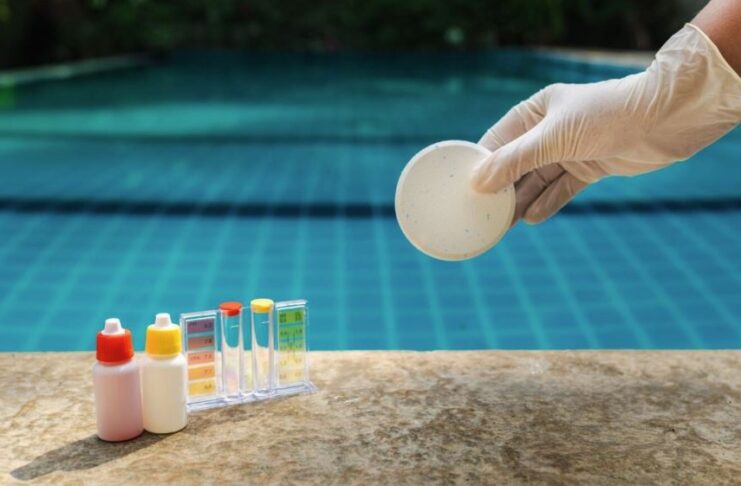
- Test your pool’s chloramine levels if you own one (should be below 0.4 ppm)
- Swim outdoors whenever possible to reduce chemical concentration
- Shower with soap before entering pool to minimize chloramine formation
- Limit indoor pool sessions to 30 minutes or less
- Switch to alternative cardio if you develop persistent respiratory symptoms
The Hidden Chemical Threat
Pool maintenance workers face the highest risk because they’re exposed to concentrated chemicals during cleaning and testing. Many don’t realize that simply being around pool equipment rooms can damage their lungs over years. The chlorine smell most people associate with ‘clean’ pools is actually a warning sign of dangerous chloramine levels.
Fitness enthusiasts often dismiss early symptoms as normal exercise fatigue, allowing lung damage to progress unchecked. Pay attention to how your breathing feels specifically after pool sessions compared to other workouts — the difference will tell you if chlorine is the culprit.
Bottom Line
Swimming pool chlorine can trigger adult-onset asthma even in people with no previous breathing problems. The chemical byproducts created when chlorine mixes with organic matter cause immediate airway inflammation and long-term lung damage. If you’re experiencing respiratory symptoms after swimming, take them seriously and consider switching to chlorine-free exercise options.
Always consult a qualified healthcare provider before making changes to your health routine.
Sources
- Swimming Pool Disinfection and Respiratory Health — American Journal of Respiratory Medicine
- Chlorination Byproducts and Asthma in Adult Swimmers — Environmental Health Perspectives
- Occupational Asthma in Swimming Pool Workers — British Medical Journal

