
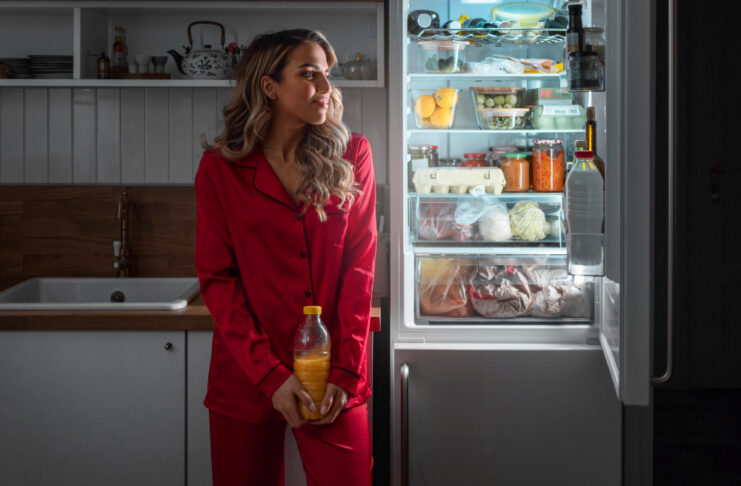
The wrong refrigerator setting silently strips nutrients from your fresh produce.
KEY STATISTICS
- Vegetables lose 30% of vitamin C within 7 days at temperatures above 40°F
- Broccoli stored at 32°F retains 90% of its vitamin content versus 60% at 50°F
- Leafy greens lose 50% of folate when stored 5 degrees warmer than optimal
You spend extra money on organic vegetables, wash them carefully, and store them in your refrigerator thinking you’re preserving their nutrients. But if your fridge temperature is just a few degrees off, you’re unknowingly watching vitamins disappear from your food every single day. Most home refrigerators run too warm, turning your expensive produce into nutritionally depleted versions of what you thought you bought.
Temperature Controls Vitamin Breakdown
Temperature directly controls the speed of enzymatic reactions that break down vitamins in fresh produce. Vitamin C, the most temperature-sensitive nutrient, degrades through oxidation reactions that accelerate exponentially with each degree of heat.
Folate and thiamine follow similar patterns, with their molecular structures becoming unstable when cellular respiration continues at warmer temperatures. Even a 5-degree difference can double the rate of nutrient loss in stored vegetables.
The ideal storage temperature of 32-35°F slows these degradation processes to a crawl, preserving the nutritional content you paid for. Above 40°F, enzymatic activity increases dramatically, essentially aging your vegetables in fast-forward.
Why This Matters More
Adults over 35 face declining nutrient absorption rates, making every vitamin and mineral more precious. Your body produces fewer digestive enzymes and stomach acid, reducing your ability to extract nutrients from food even when they’re present.
Simultaneously, this age group often relies more heavily on fresh produce to meet nutritional needs as metabolism slows. The combination of reduced absorption and unknowingly degraded food creates a perfect storm for nutrient deficiency.
Busy schedules also mean you’re likely buying produce in larger quantities and storing it longer. What starts as a week’s worth of nutritious vegetables can become mostly empty calories if stored improperly.
Signs Your Storage Fails
- Leafy greens wilting within 3-4 days of purchase
- Fruits and vegetables developing soft spots or discoloration quickly
- Fresh herbs turning black or slimy within a week
- Berries developing fuzzy mold within 5-6 days
- Vegetables losing their crisp texture and bright color rapidly
Proper Storage Temperature Techniques
Check your refrigerator temperature with a standalone thermometer placed in the main compartment, not just trusting the built-in display. Most home fridges run 5-8 degrees warmer than their settings indicate, especially in older units.
Store the most nutrient-dense vegetables like leafy greens, broccoli, and bell peppers in the coldest part of your refrigerator, typically the back of the main compartment. Keep them in perforated bags to maintain humidity while allowing air circulation.
Avoid storing temperature-sensitive produce in the door compartments, where temperatures fluctuate most dramatically. The constant opening and closing creates temperature swings that accelerate nutrient breakdown even in properly set refrigerators.
Your Nutrition Preservation Checklist
- Buy a refrigerator thermometer and adjust settings to maintain 32-35°F
- Store nutrient-dense vegetables in the coldest refrigerator zones
- Use perforated storage bags to balance humidity and airflow
- Shop for fresh produce twice weekly instead of weekly to minimize storage time
- Keep a produce consumption log to track how quickly items deteriorate
The Humidity Factor
Humidity control works hand-in-hand with temperature to preserve nutrients, but most people focus only on temperature. Vegetables need 85-95% humidity to prevent cellular damage that releases enzymes responsible for vitamin breakdown.
Your refrigerator’s crisper drawers are designed to maintain this humidity, but they only work if you use them correctly. Keep the vents slightly open for items that produce ethylene gas like apples and tomatoes, but closed for leafy greens and herbs.
Many people unknowingly sabotage their nutrient preservation by washing vegetables before storage. The excess moisture creates conditions for bacterial growth, which accelerates vitamin degradation even at proper temperatures.
Bottom Line
Your refrigerator temperature is a hidden factor in your nutrition that you can control today. A simple thermometer and temperature adjustment can preserve 30-50% more vitamins in your fresh produce. These small changes compound over time, ensuring you actually get the nutrients you’re paying for.
Always consult a qualified healthcare provider before making changes to your health routine.
Sources
- Temperature and humidity effects on vitamin retention in stored vegetables — Journal of Food Science
- Optimal storage conditions for maintaining nutritional quality of fresh produce — Food Chemistry
- Vitamin C degradation in refrigerated fruits and vegetables — Journal of Agricultural and Food Chemistry

