
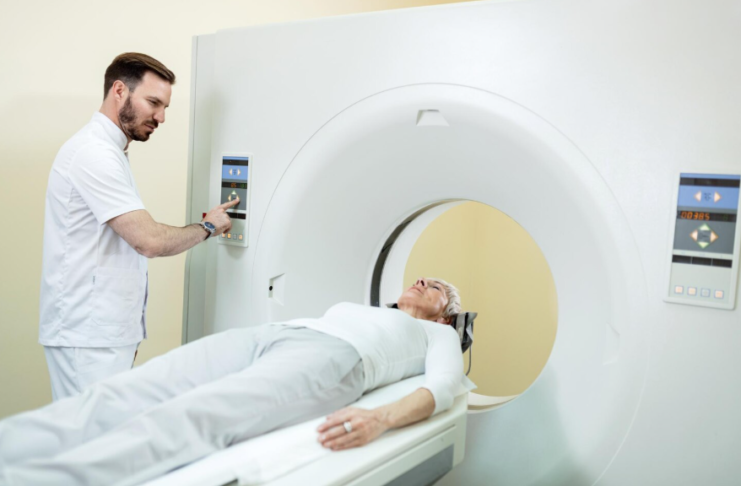
Medical imaging radiation adds up faster than you think — safer alternatives exist
KEY STATISTICS
- One CT scan equals 200 chest X-rays worth of radiation exposure
- Adults aged 35-45 receive 40% more medical imaging than previous generations
- Radiation from medical scans increases lifetime cancer risk by 0.4% per procedure
That routine CT scan your doctor ordered might seem harmless, but it delivers more radiation than you realize. A single abdominal CT exposes you to the same amount of radiation as surviving the atomic bomb blast from 1. 5 miles away.
Most patients have no idea they’re accumulating doses that significantly raise their cancer risk over time.
How Radiation Damages Cells
CT scans use ionizing radiation to create detailed images of your internal organs. This high-energy radiation damages DNA in your cells as it passes through your body. Your cells can usually repair this damage, but sometimes the repair process goes wrong.
When DNA repair fails, cells can become cancerous years or even decades later. The radiation dose from medical imaging is cumulative — each scan adds to your lifetime exposure. Unlike natural background radiation that you receive gradually, medical scans deliver concentrated doses all at once.
Why Your Generation Suffers
Adults in their 30s and 40s face unique risks from medical radiation exposure. You’re young enough that cancer could develop decades later, giving damaged cells plenty of time to multiply. You’re also at an age where multiple health concerns start appearing, leading to more diagnostic scans.
This generation receives more medical imaging than any before it. Emergency rooms now routinely order CT scans for conditions that were once diagnosed with physical exams alone. Your busy lifestyle and high stress levels also contribute to health issues that doctors want to investigate with imaging.
Red Flags To Notice
- You’ve had multiple CT scans within the past five years
- Doctors order imaging tests without explaining why they’re necessary
- You’re getting scans for vague symptoms like abdominal pain or headaches
- Emergency rooms suggest CT scans before trying other diagnostic methods
- You haven’t discussed radiation risks with your healthcare provider
Smarter Imaging Choices Matter
Start by keeping a personal record of every medical imaging procedure you receive. Ask your doctor to explain exactly why each scan is necessary and whether alternatives exist. Many conditions can be diagnosed with ultrasound or MRI, which don’t use ionizing radiation.
Request that imaging centers provide your radiation dose information in writing. This helps you track your cumulative exposure over time. Consider getting a second opinion before agreeing to multiple scans, especially if you’re experiencing non-urgent symptoms.
When visiting emergency rooms, ask about observation periods instead of immediate imaging. Many conditions resolve on their own or become clearer with time, eliminating the need for radiation-based scans.
Your Radiation Protection Plan
- Create a medical imaging log tracking every CT scan, X-ray, and nuclear medicine study
- Ask three questions before any scan: Is this necessary? Are there alternatives? What’s my radiation dose?
- Request copies of all imaging reports to avoid duplicate scans at different facilities
- Research your symptoms online to understand typical diagnostic approaches before appointments
- Consider medical facilities that offer low-dose CT protocols when scans are unavoidable
Timing Affects Recovery Rates
The timing of your scans matters more than most people realize. Your body’s ability to repair radiation damage varies throughout the day due to circadian rhythms. Studies show DNA repair mechanisms work most efficiently during certain hours.
Stress also impacts how well your cells recover from radiation exposure. High cortisol levels interfere with DNA repair processes, making you more vulnerable to long-term damage. If you must have imaging done, try to schedule it when you’re well-rested and less stressed.
Bottom Line
Medical imaging saves lives, but unnecessary scans create real cancer risks that accumulate over time. By tracking your exposure and advocating for alternatives when appropriate, you can get the diagnostic care you need while minimizing long-term health risks. The key is becoming an informed partner in your healthcare decisions rather than passively accepting every test that’s offered.
Always consult a qualified healthcare provider before making changes to your health routine.
Sources
- Radiation Dose Associated with Medical Imaging Procedures — JAMA
- Cancer Risk from Low-Dose Ionizing Radiation — The Lancet
- Medical Imaging and Radiation Exposure in Emergency Medicine — New England Journal of Medicine

