
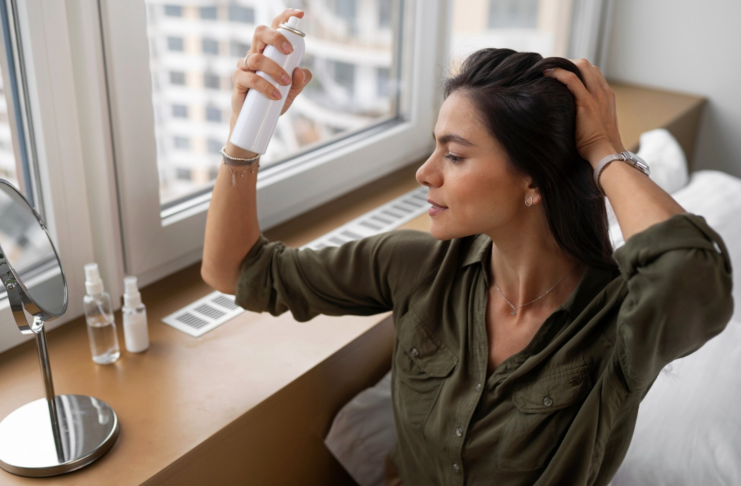
The 45-55% humidity range eliminates frizzy hair better than any product.
KEY STATISTICS
- Hair absorbs 30% more moisture when indoor humidity drops below 40%
- Maintaining 45-55% humidity reduces frizz by 70% within two weeks
- Over 60% of adults blame genetics for frizz when it’s actually environmental
You’ve spent hundreds on anti-frizz serums and keratin treatments, yet your hair still rebels every morning. The real culprit isn’t your hair type or expensive shampoo failures. Your home’s humidity level controls whether you wake up with smooth hair or a frizzy mess.
How Hair Absorbs Moisture
Hair strands are hygroscopic, meaning they naturally absorb and release moisture from the surrounding air. When humidity drops below 40%, your hair desperately pulls moisture from wherever it can find it, causing the cuticle to lift and create that familiar frizzy texture.
The hair shaft swells unevenly when exposed to fluctuating moisture levels. This uneven swelling disrupts the smooth cuticle layer that gives hair its shine and manageability. Maintaining consistent humidity between 45-55% keeps hair cuticles flat and moisture levels stable.
Why Adults Face Frizz
Adults in their 30s and 40s face unique frizz challenges as hormonal changes reduce natural oil production. Less sebum means hair becomes more porous and susceptible to environmental moisture fluctuations. Collagen production also decreases with age, affecting hair strength and structure.
Modern homes with central heating and air conditioning create the perfect storm for frizzy hair. These systems constantly remove moisture from the air, often dropping humidity to 20-30% during winter months. Your hair becomes a moisture-seeking missile in these dry conditions.
Signs of Humidity Problems
- Hair feels rougher and more tangled than usual, especially in the morning
- Static electricity makes your hair stick to clothing or fly away from your head
- Frizz appears worse in certain rooms of your house, particularly near heating vents
- Hair products that used to work suddenly seem ineffective
- Your skin also feels dry and tight, indicating low overall humidity
Humidity Control Solutions Work
Installing a whole-house humidifier is the most effective long-term solution for consistent hair health. These systems maintain optimal humidity throughout your home automatically. For immediate results, use a bedroom humidifier to create a moisture-rich environment while you sleep.
Avoid over-washing hair when humidity levels are low, as this strips natural oils that help protect against moisture fluctuations. Wash every other day or less frequently to preserve your hair’s natural protective barrier. Use lukewarm water instead of hot, which further depletes moisture.
Silk or satin pillowcases reduce friction and help hair retain moisture overnight. Cotton pillowcases can absorb moisture from your hair, exacerbating frizz in low-humidity environments.
Your Frizz-Fighting Action Plan
- Measure current humidity with a digital hygrometer in your bedroom and main living areas
- Install a cool-mist humidifier in your bedroom, aiming for 45-55% humidity
- Place smaller humidifiers in rooms where you spend the most time during the day
- Switch to sulfate-free shampoos that won’t strip natural oils from your hair
- Apply a leave-in moisture treatment before bed to help hair retain hydration overnight
Your HVAC Creates Frizz
Your heating and cooling systems work against your hair health by constantly removing moisture from indoor air. HVAC systems are designed to prevent mold and structural damage, not optimize hair conditions. This creates a year-round battle between comfort and hair health.
Many people unknowingly make frizz worse by using bathroom exhaust fans longer than necessary after showering. While these fans prevent mold, they also remove beneficial humidity that could help your hair. Turn off exhaust fans once steam clears to preserve some moisture in the air.
Bottom Line
Controlling indoor humidity between 45-55% eliminates the root cause of frizzy hair more effectively than any topical product. Your hair responds to environmental moisture levels, not expensive treatments that only provide temporary fixes. Invest in proper humidity control for permanent frizz relief.
Always consult a qualified healthcare provider before making changes to your health routine.
Sources
- Environmental factors affecting hair and scalp health — Journal of Cosmetic Dermatology
- Indoor air quality and personal comfort factors — Harvard Health Publishing
- Humidity effects on keratin fiber structure — International Journal of Cosmetic Science

