
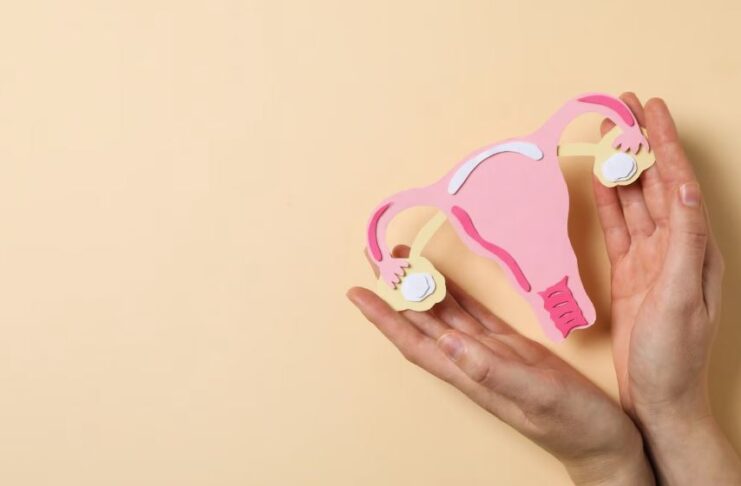
The foods you eat every day are either protecting or quietly disrupting your vaginal microbiome — here’s what the science says.
KEY STATISTICS
- Nearly 30% of women aged 35–50 experience recurrent bacterial vaginosis, often linked to disrupted vaginal microbiome balance. (NIH)
- Women with higher dietary omega-3 intake show measurably lower rates of vaginal atrophy symptoms before and during perimenopause. (Journal of Women’s Health)
- Lactobacillus-dominant vaginal flora — supported by fermented food intake — is associated with a 40% lower risk of recurrent yeast and bacterial infections. (BJOG)
Most women over 35 never connect what’s on their dinner plate to what’s happening below the waist — but the link is direct, biological, and backed by a growing body of research. Vaginal pH, tissue elasticity, and microbial balance are all influenced by what you eat on a daily basis. If you’ve been dealing with recurring dryness, irritation, or infections, your diet may be the missing piece of the conversation no doctor has had with you.
What Food Does Internally
The vaginal environment is a carefully regulated ecosystem maintained primarily by Lactobacillus bacteria, which produce lactic acid to keep pH levels between 3. 8 and 4. 5.
When that pH shifts upward — even slightly — harmful bacteria and yeast find it far easier to thrive.
What you eat directly feeds or starves those protective Lactobacillus colonies. Fermented foods like plain yogurt, kefir, kimchi, and sauerkraut introduce live beneficial bacteria that can reinforce the vaginal microbiome via the gut-vaginal axis — a communication pathway researchers are only beginning to fully understand.
Omega-3 fatty acids, found in oily fish, flaxseeds, and walnuts, support the integrity of mucosal tissue throughout the body, including vaginal walls. Without adequate omega-3s, that tissue becomes thinner, drier, and more vulnerable to micro-tears and inflammation.
Phytoestrogens — plant compounds found in soy, flaxseed, and legumes — weakly mimic estrogen in the body. For women approaching perimenopause, these compounds can help maintain vaginal tissue thickness during periods of hormonal fluctuation, offering a dietary buffer against early atrophy.
Why Your 30s Change Everything
Between the ages of 35 and 45, estrogen levels begin a gradual but meaningful decline — even years before a formal perimenopause diagnosis. This hormonal shift directly affects vaginal tissue thickness, natural lubrication, and the ability to maintain an acidic pH.
At the same time, many women in this age group are managing high stress loads, disrupted sleep, and diets skewed toward convenience foods. All three factors independently suppress the immune system and reduce the body’s ability to maintain a healthy vaginal flora.
Chronically high cortisol — a hallmark of this life stage — has been shown to disrupt gut microbiome diversity. Since the gut and vaginal microbiome are interconnected, a compromised gut means a more vulnerable vaginal environment, regardless of hygiene habits.
Women in this bracket are also more likely to use antibiotics for recurring infections, which wipes out protective Lactobacillus strains. Without a diet that actively replenishes those strains, each course of treatment leaves the microbiome weaker than before.
Warning Signs To Watch For
- Persistent vaginal dryness or discomfort during daily activity, not just during intercourse
- Recurring bacterial vaginosis or yeast infections more than twice a year
- A noticeable change in vaginal odour that persists beyond your menstrual cycle
- Increased sensitivity or burning that isn’t explained by a current infection
- Unusual discharge changes — colour, consistency, or volume — alongside low-grade pelvic discomfort
Foods That Actually Help
The most impactful dietary shift you can make is increasing your intake of fermented foods with live active cultures. Aim for at least one serving daily — plain full-fat yogurt, kefir, or miso are practical, accessible options that don’t require a complete diet overhaul.
Omega-3s deserve equal attention. Eating oily fish like salmon or mackerel two to three times per week provides the fatty acids your vaginal mucosa needs to stay supple and resistant to irritation. If fish isn’t feasible, a high-quality algae-based omega-3 supplement is a well-researched alternative.
Phytoestrogen-rich foods — particularly ground flaxseed and edamame — are worth adding gradually, especially if you’re noticing early perimenopausal symptoms. These aren’t hormones, but they bind to estrogen receptors weakly enough to provide a buffering effect on tissue health.
Sugar is the factor most women underestimate. High sugar intake feeds Candida overgrowth and promotes an alkaline vaginal environment. Reducing refined sugar — not eliminating all carbohydrates — makes a measurable difference in infection frequency within weeks.
Your Action Plan Checklist
- Add one serving of fermented food with live cultures to your daily diet — yogurt, kefir, kimchi, or miso all count
- Eat oily fish (salmon, sardines, mackerel) at least twice a week, or take an algae-based omega-3 supplement daily
- Include one tablespoon of ground flaxseed in your breakfast — it adds phytoestrogens and fibre with minimal effort
- Cut back on refined sugar, particularly ultra-processed snacks and sweetened drinks, to reduce Candida-friendly conditions
- Stay well hydrated — vaginal tissue is mucosal and depends on systemic hydration; aim for 1.5 to 2 litres of water daily
The Gut Connection Nobody Mentions
One of the most overlooked factors in vaginal health is the bidirectional relationship between your gut microbiome and your vaginal microbiome. Research published in the journal Cell Host & Microbe has shown that Lactobacillus species colonising the gut can migrate to and reinforce the vaginal environment — meaning gut health is vaginal health.
Chronic constipation, a heavily processed diet, or a history of repeated antibiotics can deplete the gut of the very strains your vaginal flora depends on. This is why dietary changes often take four to six weeks to show noticeable improvement — you’re rebuilding an ecosystem, not just taking a supplement.
Stress management also plays a structural role here. Elevated cortisol disrupts the gut lining, reduces microbial diversity, and lowers secretory IgA — your body’s first-line mucosal immune defence. Combining dietary improvements with even basic stress reduction practices — daily walks, consistent sleep, reduced caffeine — amplifies the benefit of every nutritional change you make.
Bottom Line
Vaginal health in your 30s and 40s is not a hygiene issue — it’s a nutritional and hormonal one, and your daily food choices are either supporting or slowly undermining it. Fermented foods, omega-3s, phytoestrogens, and reduced sugar intake form a practical, evidence-based framework you can start implementing today. The body responds faster than most women expect when you give it the right building blocks consistently.
Always consult a qualified healthcare provider before making changes to your health routine.
Sources
- The vaginal microbiome and its relationship to diet and nutrition — BJOG: An International Journal of Obstetrics and Gynaecology
- Dietary omega-3 fatty acids and vulvovaginal atrophy in perimenopausal women — Journal of Women’s Health
- Gut microbiota composition and its relationship to the vaginal microbiome — Cell Host & Microbe
- Phytoestrogens and their effects on vaginal tissue integrity during hormonal transition — Menopause: The Journal of the Menopause Society
- Lactobacillus species and vaginal pH maintenance: dietary influences — NIH National Library of Medicine

