
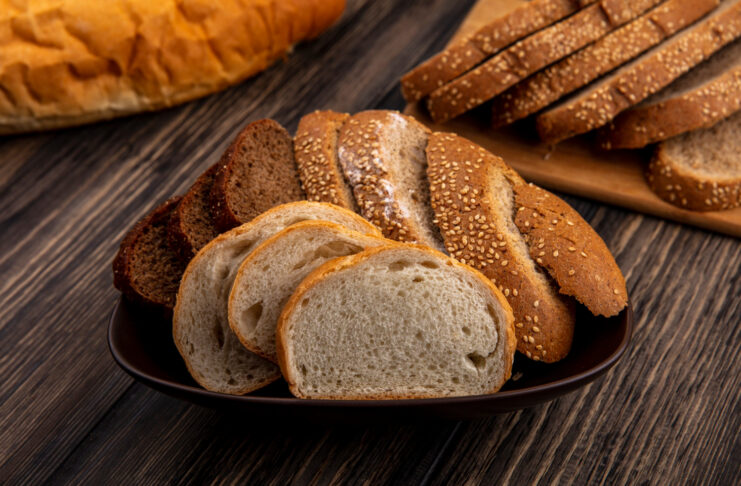
The wholesome loaf you eat every morning may be quietly stealing your iron and leaving you exhausted by noon.
KEY STATISTICS
- Up to 80% of dietary iron in whole-grain bread can be bound by phytates before your body absorbs it, according to research published in the American Journal of Clinical Nutrition.
- Iron deficiency affects an estimated 1 in 5 adults aged 35–45, with many cases going undiagnosed because symptoms are mistaken for everyday stress or fatigue, per the World Health Organization.
- Phytic acid in a single serving of whole-wheat bread can reduce zinc absorption by as much as 60%, compounding the nutritional shortfall that midlife adults already face.
You switched to whole-grain bread because every credible health source told you to — and you felt virtuous about it. But if you have been dragging yourself through afternoons, struggling to concentrate, and wondering why rest never quite restores you, the answer may be sitting in your breadbasket. A compound called phytic acid, found in the bran of whole grains, is quietly binding the iron and zinc you are eating before your gut ever gets a chance to use them.
How Phytates Block Minerals
Phytic acid, also called phytate in its salt form, is a natural storage molecule found in the outer bran layer of whole grains, legumes, seeds, and nuts. Plants use it to store phosphorus for germination, but in the human digestive tract it behaves very differently — it acts as a chelating agent, binding tightly to positively charged minerals like iron, zinc, and calcium to form insoluble complexes.
Once these complexes form, the human gut cannot absorb them efficiently. Unlike ruminant animals, humans lack the enzyme phytase in sufficient quantities to break phytate bonds during digestion, so the minerals pass through the intestine largely intact and are excreted.
The problem is not that whole-grain bread is nutritionally empty — it contains meaningful amounts of iron and zinc on paper. The problem is bioavailability: what is present in food versus what actually crosses the gut wall and enters your bloodstream are two very different numbers, and phytate widens that gap significantly.
Why Midlife Amplifies This
Between the ages of 35 and 45, the body’s ability to absorb iron from food begins to shift subtly. Stomach acid production — essential for releasing iron from food compounds and keeping it in the absorbable ferrous form — starts to decline in many adults, making the gut less equipped to compensate for antinutrient interference.
For women in this age range, monthly blood loss continues to create a steady iron demand at the exact time absorption efficiency is beginning to dip. Men are not immune either: low-grade iron and zinc shortfalls in this decade are increasingly linked to cognitive sluggishness, reduced testosterone synthesis, and impaired immune response.
The cruel irony is that the dietary shift most commonly recommended during midlife — moving away from refined carbohydrates toward whole grains and plant-based foods — dramatically increases phytate exposure. Adults who make this change with the best intentions may be inadvertently suppressing the absorption of the very minerals their aging biology needs most.
Warning Signs To Watch
- Persistent afternoon fatigue that does not improve with sleep or rest, lasting more than two to three weeks
- Brain fog, slow recall, or difficulty sustaining concentration during tasks that used to feel routine
- Unusual hair thinning or increased shedding, particularly around the temples and crown
- Pale inner eyelids or gums, cold hands and feet, and unexplained breathlessness on mild exertion
- Frequent infections, slow wound healing, or a recurring sense that your immune system is underperforming
What Actually Helps Absorption
The single most effective strategy is not eliminating whole-grain bread — it is processing it correctly. Traditional sourdough fermentation uses wild yeast and lactic acid bacteria that naturally produce phytase, the enzyme that breaks down phytic acid before you eat it. A long-fermented sourdough loaf can reduce phytate content by 50 to 90 percent compared to a standard whole-wheat loaf made with commercial yeast.
Pairing iron-rich foods with vitamin C is a well-established strategy that genuinely works at a biochemical level. Ascorbic acid converts ferric iron (the form bound by phytates) into ferrous iron, which is more soluble and far better absorbed — a squeeze of lemon on lentils or a glass of orange juice alongside your meal can increase non-heme iron absorption by up to three times.
Avoiding coffee, tea, and calcium-rich foods within an hour of iron-containing meals removes additional absorption blockers that compound phytate-induced damage. Timing matters as much as food choice.
For zinc specifically, animal proteins consumed alongside plant sources actually help counteract phytate inhibition — the amino acids in meat appear to form complexes with zinc that keep it bioavailable. If you eat a predominantly plant-based diet, soaking beans and seeds overnight and discarding the water reduces their phytate load meaningfully before cooking.
Your Absorption Action Plan
- Switch at least half your bread consumption to authentic long-fermented sourdough made with whole-grain flour — check that fermentation time is listed as 12 hours or more
- Eat a vitamin C source (bell pepper, citrus, kiwi, or tomato) with every iron-containing meal — this single habit can triple your non-heme iron absorption
- Soak dried legumes, grains, and seeds for 8–12 hours before cooking and discard soaking water to reduce phytate content by up to 50%
- Space coffee and tea consumption at least 60 minutes away from meals containing iron or zinc — polyphenols in both beverages are independent absorption inhibitors
- Ask your GP for a full iron panel including serum ferritin, serum iron, and transferrin saturation — not just haemoglobin — as standard blood counts routinely miss early-stage deficiency
The Stress And Gut Link
There is a stress dimension to this story that most nutrition advice skips entirely. Chronic psychological stress — the kind that defines the 35–45 decade for most adults — elevates cortisol, which in turn increases intestinal permeability and reduces the efficiency of active mineral transport across the gut lining. This means that even if you successfully reduce phytate load through sourdough and soaking, a chronically stressed gut absorbs less of everything.
Hepcidin, a hormone produced by the liver in response to both inflammation and iron overload, also rises during periods of sustained stress and systemic inflammation. Elevated hepcidin blocks the export of iron from intestinal cells into the bloodstream, creating a functional iron deficiency even when dietary intake appears adequate.
Addressing sleep quality and stress load is not a soft add-on to a nutrition strategy — it is a direct lever on mineral absorption. Prioritising seven to nine hours of sleep and managing cortisol through structured recovery (whether exercise, breath work, or simply consistent downtime) creates the physiological conditions in which dietary changes can actually take effect.
Bottom Line
Whole-grain bread is not a villain, but it is not nutritionally neutral either — the phytic acid it contains can quietly erode your iron and zinc status over months without you realising the connection. Making one switch to genuine sourdough, pairing iron foods with vitamin C, and getting a proper ferritin test rather than a standard blood count gives you three concrete actions that can shift your energy and clarity within weeks. Your breadbasket does not need to be emptied — it needs to be upgraded.
Always consult a qualified healthcare provider before making changes to your health routine.
Sources
- Phytic acid in human nutrition and mineral bioavailability — American Journal of Clinical Nutrition
- Iron deficiency and iron deficiency anaemia in adults: global prevalence and contributors — World Health Organization Nutrition Report
- Effect of sourdough fermentation on phytate degradation and mineral solubility in whole-wheat bread — Journal of Agricultural and Food Chemistry
- Hepcidin and the iron-inflammation axis — The New England Journal of Medicine
- Zinc absorption from plant-based diets and strategies to enhance it — Nutrients — MDPI Open Access Journal

