
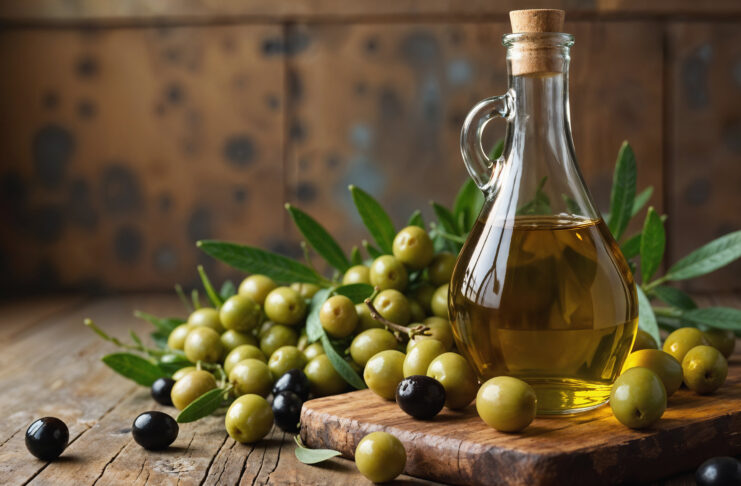
The bottle on your counter might be quietly fueling inflammation — and your doctor has no idea.
KEY STATISTICS
- A 2023 UC Davis study found that 82% of imported olive oils sold in U.S. supermarkets failed international extra-virgin quality standards.
- Oxidized fats have been shown to increase inflammatory markers like IL-6 and CRP by up to 40% in controlled dietary studies.
- The average bottle of olive oil sits in storage, shipping, and retail for 12 to 18 months before it reaches your kitchen.
You swapped butter for olive oil years ago because you did the research — you wanted the heart-healthy fats, the polyphenols, the Mediterranean longevity effect. What nobody told you is that the oil you are drizzling over your salad tonight may already be rancid, stripped of its benefits, and actively working against the metabolic health you are trying to protect.
What Oxidation Actually Does
Olive oil oxidizes — meaning it reacts with oxygen, light, and heat to break down its fatty acid chains into harmful compounds called aldehydes and lipid peroxides. These byproducts are not neutral; they are chemically reactive molecules that, once consumed, trigger an immune response in the gut lining and bloodstream.
This is not a dramatic poisoning. It is a quiet, cumulative signal that tells your body something foreign and damaging has arrived. Your immune cells respond by releasing pro-inflammatory cytokines — the same molecules elevated in conditions like cardiovascular disease, type 2 diabetes, and metabolic syndrome.
The polyphenols that make genuine extra-virgin olive oil so protective — oleocanthal, oleuropein, hydroxytyrosol — are the first compounds to degrade during oxidation. By the time an oil smells even slightly stale, those antioxidants are largely gone. What remains is a fat that behaves more like a processed vegetable oil than a health food.
Why 35 Plus Is Vulnerable
After 35, your body’s baseline inflammatory burden begins to rise due to hormonal shifts, declining mitochondrial efficiency, and gradual changes in gut microbiome diversity. This state — sometimes called inflammaging — means your system is already managing more oxidative stress than it did a decade ago.
Adding a regular dietary source of oxidized lipids into that environment is like pouring lighter fluid on a slow-burning fire. The liver, which filters these compounds, works harder. Adipose tissue, particularly visceral fat, becomes more reactive to inflammatory signals — making fat storage easier and fat burning more resistant.
Research published in the journal Nutrients links habitual consumption of oxidized lipids with accelerated insulin resistance, a process that compounds quickly in adults over 35 who are already seeing early metabolic slowdown.
Signs Your Oil Is Bad
- Your olive oil tastes flat, greasy, or faintly waxy rather than peppery and grassy — this is a reliable sign of oxidation
- The oil has a yellowish or pale color rather than a green-gold hue, indicating polyphenol degradation
- The bottle has been open for more than 30 to 45 days and stored near a stove, window, or warm countertop
- The harvest date on the label is more than 14 months ago — or there is no harvest date at all
- You feel persistently bloated, fatigued, or notice worsening skin inflammation despite an otherwise clean diet
Changes That Actually Help
The single most impactful change you can make is switching from supermarket olive oil to a verified, recently harvested single-origin oil sold in a dark glass bottle — and checking the harvest date, not just the best-by date. Best-by dates can be set two years out regardless of when the oil was actually pressed.
Store your oil in a cool, dark cupboard — never next to the hob or on a sunlit countertop. Heat and UV light are the two fastest drivers of oxidative breakdown, and a bottle can degrade significantly within weeks of poor storage.
Buy smaller bottles more frequently rather than a large one that sits open for months. For high-heat cooking above 180°C, use a more heat-stable fat like avocado oil or ghee, and reserve your quality olive oil for cold applications — dressings, finishing, dipping — where its polyphenols remain intact and bioavailable.
Your Oil Audit Checklist
- Check every bottle in your kitchen today — look for a harvest date within the last 12 months and discard any oil that smells flat, greasy, or lacks a peppery finish
- Source oil from a reputable importer or certified producer that publishes harvest dates, polyphenol content, and third-party quality testing
- Store all olive oil in a dark glass or tin container, away from heat sources, and use within 30 to 45 days of opening
- Use avocado oil, ghee, or refined coconut oil for any cooking above medium heat — reserve olive oil strictly for cold or low-heat use
- Add one anti-inflammatory food daily — wild salmon, walnuts, or turmeric — to actively counteract any existing oxidative load from past rancid fat consumption
The Gut Connection Nobody Mentions
There is a gut connection here that most nutrition advice completely misses. The intestinal lining is the first point of contact for dietary lipids, and oxidized fats have been shown to increase intestinal permeability — commonly called leaky gut — in animal and early human studies.
When the gut barrier becomes more permeable, bacterial endotoxins from the microbiome can enter the bloodstream more easily, creating a condition called metabolic endotoxemia. This is a recognized driver of low-grade systemic inflammation and has been directly linked to insulin resistance, non-alcoholic fatty liver disease, and accelerated metabolic aging.
If you have been eating what you believe is a clean, Mediterranean-style diet but still experiencing brain fog, persistent fatigue, or stubborn weight around the midsection, rancid fats in your oil supply are a genuinely underexplored culprit worth investigating before blaming willpower or genetics.
Bottom Line
Genuine extra-virgin olive oil is one of the most protective foods on the planet — but that protection depends entirely on the oil being fresh, properly stored, and actually what the label claims. Check your harvest dates, buy small, store smart, and treat your olive oil with the same scrutiny you would any other functional health tool in your kitchen.
Always consult a qualified healthcare provider before making changes to your health routine.
Sources
- Evaluation of Extra-Virgin Olive Oil Sold in California — UC Davis Olive Center, University of California
- Dietary Oxidized Lipids and Systemic Inflammation: A Review — Nutrients
- Olive Oil Phenolic Compounds and Health Effects — New England Journal of Medicine
- Metabolic Endotoxemia Initiates Obesity and Insulin Resistance — Diabetes (American Diabetes Association)
- Lipid Oxidation Products and Their Role in Chronic Disease Pathogenesis — Journal of Internal Medicine

