
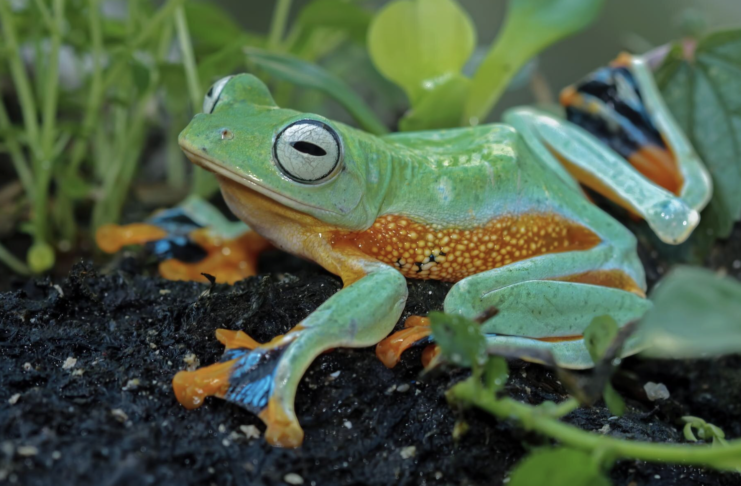
A slimy amphibian might be the most important medical breakthrough of your lifetime — and it directly affects how your body fights infection.
KEY STATISTICS
- At least 1.27 million people die each year from antibiotic-resistant bacterial infections, according to The Lancet.
- Over 70% of bacteria causing hospital-acquired infections are now resistant to at least one antibiotic, per the CDC.
- Scientists have identified more than 6,000 antimicrobial peptides in amphibian skin — many never before studied, according to the NIH.
You finished a course of antibiotics, felt better for two weeks, and then the infection came back — sound familiar? If you’re in your 30s or 40s and you’ve noticed bacterial infections hitting harder and responding slower, you’re not imagining it. The global antibiotic resistance crisis is no longer a future problem; it is happening inside your body, right now.
How Frog Skin Works
Frogs have survived on Earth for over 250 million years, and part of their secret is a sophisticated chemical arsenal embedded in their skin. When threatened or injured, many frog species secrete antimicrobial peptides — short chains of amino acids that punch holes in bacterial cell membranes, killing pathogens before they can replicate.
Unlike traditional antibiotics, which target specific bacterial processes that bacteria can eventually evolve around, these peptides attack the physical structure of bacterial cells. This makes it dramatically harder for bacteria to develop resistance, because doing so would require rebuilding their entire cell membrane architecture.
Researchers at Emory University and teams across the UK and China have isolated peptides from species including the Australian tree frog and the South American waxy monkey frog that demonstrate potent activity against MRSA, E. coli, and drug-resistant tuberculosis strains. Some peptides work synergistically, meaning they are more effective in combination — a property scientists are now engineering into next-generation drug candidates.
The peptides also show selective toxicity: they kill bacteria efficiently while leaving human cells largely unharmed. This selectivity is what has made them such a compelling focus for pharmaceutical research over the past decade.
Why Your 40s Are Vulnerable
Adults between 35 and 45 occupy a particularly vulnerable window in the antibiotic resistance story. Your immune system is no longer in its peak inflammatory-response years, meaning bacterial infections that your body once cleared quickly now linger longer and require medical intervention more often.
This age group also tends to carry the highest cumulative antibiotic exposure from childhood through early adulthood — ear infections, strep throat, skin infections, UTIs. Every prior course of antibiotics has contributed to reshaping the bacterial ecosystem in your gut and on your skin, selecting for strains with at least partial resistance.
If you work in healthcare, travel internationally, or have young children in daycare, your exposure to resistant strains is even higher. Recurrent UTIs, persistent skin infections, or sinus infections that require multiple antibiotic courses are early warning signals that resistance may already be a factor in your personal health story.
Resistance Warning Signs
- A bacterial infection that requires more than one course of antibiotics to clear within a single year
- A skin infection — boil, abscess, or wound — that does not respond to standard oral antibiotics within 72 hours
- A UTI that returns within four weeks of completing a full antibiotic course
- Recurring sinus or chest infections that your doctor describes as ‘not responding as expected’ to first-line treatment
- Any infection diagnosed as MRSA, VRE, or described by your provider as ‘drug-resistant’ or ‘multi-drug resistant’
What You Can Do Now
While frog-derived antibiotics are still in clinical development, there are concrete steps you can take today to protect your body’s relationship with the antibiotics that still work. The single most impactful habit is never pressuring your doctor for antibiotics when they are not indicated — viral infections do not respond to antibiotics, but taking them anyway accelerates resistance in your microbiome.
Supporting your gut microbiome is not just trendy advice — it is mechanically connected to how well your immune system mounts a first response to bacterial invaders. A diverse, high-fiber diet feeds the beneficial bacteria that compete with pathogens for space and resources in your gut, reducing your dependence on antibiotics in the first place.
When antibiotics are genuinely necessary, always complete the full prescribed course even if you feel better early. Stopping early leaves behind the most resistant bacterial survivors, which then reproduce and establish a more resistant colony in your body.
Ask your doctor or pharmacist whether the antibiotic prescribed is the narrowest-spectrum option that will work for your specific infection. Broad-spectrum antibiotics are appropriate sometimes, but overusing them accelerates resistance far faster than targeted narrow-spectrum options.
Your Action Plan
- Ask your doctor to culture and identify the specific bacteria causing your infection before accepting a broad-spectrum antibiotic prescription
- Take a high-quality probiotic containing Lactobacillus rhamnosus and Saccharomyces boulardii during and after any antibiotic course to protect gut diversity
- Track every antibiotic prescription you have taken in the last five years — bring this list to your next appointment to discuss resistance risk with your provider
- Eat 30 or more different plant foods per week to maximize gut microbiome diversity, which strengthens your baseline bacterial defense
- Follow clinical trial registries at NIH.gov to stay informed about frog-peptide antibiotic candidates entering human trials — patient advocacy matters for funding timelines
The Stress-Resistance Connection
There is a factor almost no one talks about when discussing antibiotic resistance: chronic stress and its direct suppression of your immune response. Elevated cortisol — the stress hormone that most 35-to-45-year-olds are running on daily — measurably reduces the activity of neutrophils and macrophages, the front-line immune cells that detect and contain bacterial infections before antibiotics are even needed.
This means that two people exposed to the same resistant bacterium can have dramatically different outcomes based entirely on their stress load and sleep quality. Adults in high-demand career and family phases who are chronically under-slept are effectively walking around with a partially disarmed immune system.
Seven to nine hours of quality sleep per night restores immune surveillance function in ways no supplement can replicate. Prioritizing sleep is not a luxury in the context of antibiotic resistance — it is a direct harm-reduction strategy while the medical community races to bring frog-derived alternatives to your pharmacy shelf.
Bottom Line
Frog-skin peptides represent one of the most genuinely exciting frontiers in infectious disease medicine, and the research is moving faster than most people realize. While these treatments are not yet in your medicine cabinet, understanding the crisis they are designed to solve — and protecting your own antibiotic ecosystem today — is the most practical thing you can do right now. The frogs are working on it; your job is to not waste what we still have.
Always consult a qualified healthcare provider before making changes to your health routine.
Sources
- Global burden of bacterial antimicrobial resistance in 2019: a systematic analysis — The Lancet
- Antibiotic Resistance Threats in the United States — Centers for Disease Control and Prevention
- Antimicrobial peptides from amphibian skin: an expanding scenario — Current Opinion in Pharmacology
- The role of the gut microbiome in antibiotic resistance and treatment outcomes — Nature Reviews Microbiology
- Stress, immunity, and susceptibility to infection — NIH National Institute of Allergy and Infectious Diseases

