
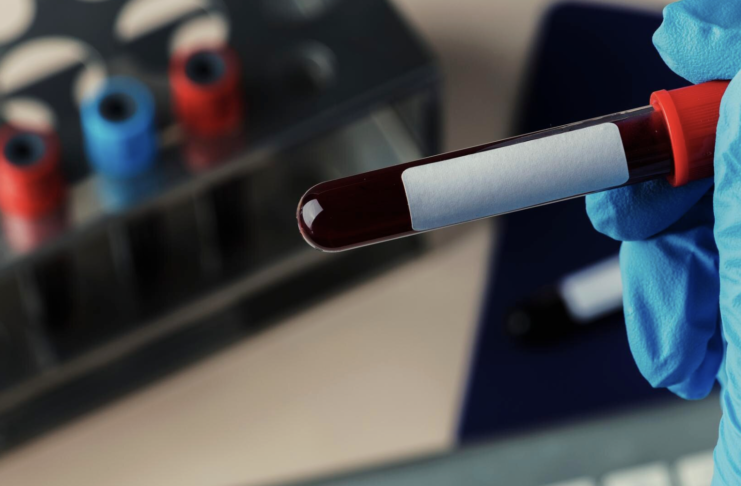
A study in European Urology finds that circulating tumor DNA may reveal treatment outcomes in advanced germ cell tumors before standard scans can.
KEY STATISTICS
- Germ cell tumors are the most common solid malignancy in men aged 15 to 35, making awareness in the years immediately following that window critically important.
- A significant proportion of patients with advanced germ cell tumors experience relapse after first-line chemotherapy, often requiring salvage high-dose treatment with uncertain outcomes.
- According to research published in European Urology (PMID 42323244), circulating tumor DNA and copy-number alterations showed meaningful associations with clinical outcomes in relapsed or refractory disease treated with salvage high-dose chemotherapy.
Imagine finishing rounds of aggressive chemotherapy for a germ cell tumor, receiving cautiously hopeful scan results — and then watching the cancer return months later. For patients with relapsed or refractory germ cell tumors, this experience is not rare. A new study published in European Urology is now asking a pointed question: could a simple blood test, analyzing fragments of tumor DNA circulating in your bloodstream, tell doctors far earlier whether treatment is working — or failing?
The answer, according to this emerging research, may be yes, and it has implications not just for oncologists but for any adult who has faced or is monitoring a history of testicular or ovarian germ cell disease.
What ctDNA Actually Measures
Circulating tumor DNA, or ctDNA, refers to small fragments of DNA shed by cancer cells into the bloodstream. Unlike traditional tumor markers, ctDNA carries the actual genetic fingerprint of the tumor, including structural changes called copy-number alterations that can reveal how aggressively a cancer is behaving. The European Urology study examined how these blood-based biomarkers tracked with real clinical outcomes in patients undergoing salvage high-dose chemotherapy for relapsed or refractory germ cell tumors.
- ctDNA is shed directly by cancer cells, giving a real-time genetic snapshot of tumor activity from a blood draw.
- Copy-number alterations (CNAs) are genetic changes — gains or losses of chromosomal segments — that indicate tumor instability and potential treatment resistance.
- Unlike AFP or hCG tumor markers, ctDNA can detect molecular residual disease even when standard markers appear normal.
- The study found that ctDNA and CNA profiles correlated with clinical outcomes, suggesting liquid biopsy may help stratify risk in relapsed disease.
Why This Age Group Matters
Germ cell tumors peak in young adulthood, but the relapsed and refractory cases that this research addresses often present in adults in their 30s and 40s — precisely the Live Long Daily readership. Men who were treated for testicular cancer in their 20s and are now in their late 30s or 40s represent a population where surveillance decisions carry real weight. Women with ovarian germ cell tumors face a parallel concern, particularly in reproductive-age years that extend into this demographic.
- Adults now in their 35–45 range may have had a primary germ cell tumor diagnosis in their 20s, placing them in a long-term surveillance window.
- Relapsed germ cell tumors treated with salvage high-dose chemotherapy carry significant toxicity burdens — better biomarkers mean fewer unnecessary treatments.
- This age group is also more likely to be making active decisions about fertility, secondary cancer monitoring, and treatment intensity.
- Awareness of liquid biopsy tools like ctDNA helps patients in this group ask better questions during oncology follow-up appointments.
Signs That Warrant Prompt Oncology Review
- A rising AFP, hCG, or LDH tumor marker level after completing chemotherapy for a germ cell tumor.
- New or unexplained back pain, abdominal fullness, or lymph node swelling in someone with a germ cell tumor history.
- Fatigue or unintentional weight loss that cannot be explained by diet, stress, or sleep changes.
- Abnormalities flagged on routine imaging during post-treatment surveillance that do not correlate clearly with tumor markers.
- A treating oncologist mentioning ‘residual disease’ or equivocal scan findings — this is a moment to ask about liquid biopsy options.
- Any new testicular lump or ovarian mass in a patient with a prior germ cell tumor history, regardless of how minor it appears.
Supporting Your Body During Surveillance
While ctDNA testing is a clinical tool rather than a lifestyle intervention, the research underscores how critical active monitoring is for anyone with a germ cell tumor history. Patients who are engaged, informed, and proactive about follow-up care are better positioned to benefit from emerging biomarker technologies. There are also evidence-based lifestyle choices that support immune resilience and reduce secondary cancer risk during and after treatment.
- Maintain consistent surveillance appointments — ctDNA and other liquid biopsy tools are only accessible if you stay engaged with your oncology team.
- Physical activity at moderate intensity has documented associations with improved cancer survivorship outcomes and reduced fatigue after chemotherapy.
- A Mediterranean-style diet rich in vegetables, legumes, and omega-3 fatty acids supports systemic inflammation reduction during long-term cancer monitoring.
- Minimize alcohol consumption — ethanol is a recognized carcinogen and places additional metabolic stress on a body already navigating post-treatment recovery.
Your Monitoring Action Plan
- Schedule a conversation with your oncologist about whether liquid biopsy or ctDNA testing is appropriate for your follow-up protocol.
- Request a clear written surveillance schedule — knowing when your next imaging, bloodwork, and marker panels are due reduces anxiety and gaps in care.
- Keep a symptom log between appointments and bring it to every oncology visit, noting energy, weight, and any new physical changes.
- Ask your care team specifically about copy-number alteration profiling if you have relapsed or refractory germ cell tumor disease.
- If you are a cancer survivor in this age range, discuss secondary cancer screening with your primary care provider annually, not just with your oncologist.
Scanxiety and the Monitoring Gap
One critically underappreciated factor in germ cell tumor survivorship is the psychological and cognitive toll of treatment uncertainty — a phenomenon oncologists increasingly call ‘scanxiety.’ Patients waiting for imaging results or marker panels often experience significant anxiety that affects sleep, immune function, and quality of life. Emerging tools like ctDNA monitoring, which can provide earlier and more granular feedback, may actually reduce this psychological burden by giving patients and physicians a more continuous window into disease status.
- Scanxiety — anxiety between surveillance scans — is clinically recognized and affects a majority of cancer survivors during active monitoring periods.
- More frequent, less invasive biomarker monitoring through blood tests may reduce the uncertainty that drives this anxiety between imaging appointments.
- Mental health support, including oncology-specific cognitive behavioral therapy, is evidence-based and underutilized among adult cancer survivors in this age group.
- Ask your oncology team whether a patient navigator or oncology social worker can help structure a survivorship care plan that addresses both physical and psychological monitoring.
Bottom Line
A study published in European Urology is building the scientific case that circulating tumor DNA and copy-number alterations carry real prognostic weight in patients with relapsed or refractory germ cell tumors undergoing salvage high-dose chemotherapy. For adults in their 35 to 45 range — many of whom may be living in the long shadow of a prior germ cell tumor diagnosis — this research signals a meaningful shift toward more precise, blood-based surveillance tools. The practical takeaway today is to stay engaged with your oncology team, ask specifically about liquid biopsy options, and treat active monitoring not as a passive waiting game but as an essential part of your long-term health strategy.
Live Long Daily — always consult a qualified healthcare provider before making changes to your health routine.
Sources
- Impact of Circulating Tumor DNA and Copy-number Alterations on Clinical Outcome in Relapsed/Refractory Germ Cell Tumors Treated with Salvage High-dose Chemotherapy — European Urology (PubMed)
- General guidance on cancer survivorship and monitoring — National Cancer Institute (NIH)
- General overview of testicular cancer and germ cell tumors — Mayo Clinic

