
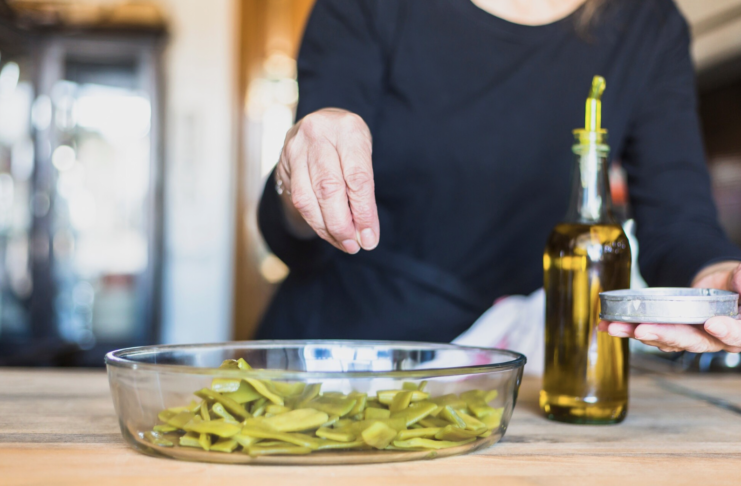
Your favourite healthy fat may be quietly losing its biggest benefits every time you turn on the stove.
KEY STATISTICS
- Extra virgin olive oil loses up to 40% of its polyphenol content when heated above 180°C (356°F), according to research published in Food Chemistry.
- A 2020 study found that just 10 minutes of frying at high heat can reduce oleocanthal — olive oil’s key anti-inflammatory compound — by over 50%.
- The International Olive Council estimates that nearly 70% of consumers believe cooking with extra virgin olive oil is equally as beneficial as using it raw.
You drizzle it over everything, you cook with it religiously, and you’ve quietly congratulated yourself for making the healthy choice. But if you’re sautéing your vegetables or searing your chicken in extra virgin olive oil at high heat, you may be cooking away the very compounds that make it worth buying. The health benefits you’re counting on could be disappearing before the food even hits the plate.
What Heat Actually Destroys
Extra virgin olive oil earns its reputation from a dense concentration of polyphenols — plant-based antioxidants that include oleocanthal, oleuropein, and hydroxytyrosol. These compounds have been shown in peer-reviewed research to reduce systemic inflammation, protect arterial walls, and lower markers of oxidative stress.
The problem begins the moment oil meets heat. Polyphenols are thermally unstable, meaning their molecular structure begins to break down at temperatures commonly reached during everyday cooking. Research published in Food Chemistry confirmed that heating extra virgin olive oil to just 180°C — a typical sauté temperature — triggers significant polyphenol loss within minutes.
What remains after high-heat cooking is largely the fat itself: mostly monounsaturated oleic acid, which is stable and still heart-healthy. But you’ve lost the anti-inflammatory edge that separates extra virgin olive oil from cheaper, refined alternatives. You’re essentially paying a premium price for a product that, by the time it reaches your food, performs like a basic cooking fat.
Why Your 30s Matter
Adults between 35 and 45 are in a critical window when chronic low-grade inflammation begins to accumulate quietly in the body. This is the decade when inflammatory markers such as C-reactive protein start rising, setting the foundation for cardiovascular disease, metabolic dysfunction, and joint deterioration.
Polyphenols from extra virgin olive oil are one of the most well-studied dietary tools for countering this early inflammatory surge. When those compounds are destroyed by heat, a key dietary defence is removed at precisely the age when it matters most.
This age group is also more likely to be cooking for families, relying on quick high-heat methods like stir-frying or pan-searing, and assuming that using a quality oil is enough. The method, not just the ingredient, determines whether the nutritional benefit survives to the table.
Signs You Are Losing Benefits
- Your olive oil smokes quickly — smoke point signals that heat-sensitive compounds are already degrading
- You use extra virgin olive oil exclusively for high-heat cooking like deep frying or roasting above 200°C
- You never use olive oil raw — meaning you’re missing its most bioavailable polyphenol delivery method entirely
- You’re buying cheap or ‘light’ olive oil thinking it offers the same anti-inflammatory benefits as extra virgin
- You store your olive oil near the stove or in a clear bottle — heat and light exposure degrades polyphenols even before cooking begins
How To Protect Your Oil
The single most impactful change you can make is simple: reserve extra virgin olive oil for raw or low-heat use. Dress your salads with it generously, drizzle it over roasted vegetables after cooking, stir it into warm soups just before serving, or spread it on bread instead of butter.
When you do need to cook with it, keep temperatures below 160°C and avoid prolonged heating. Research suggests that shorter heat exposure at lower temperatures preserves a meaningful fraction of polyphenols compared to sustained high-heat cooking.
For high-heat cooking — stir-fries, searing, deep roasting — consider switching to refined olive oil or avocado oil, both of which have higher smoke points and are structurally more stable under heat. This isn’t a downgrade; it’s using the right tool for the right job.
Pairing raw extra virgin olive oil with tomatoes, leafy greens, or legumes also amplifies polyphenol absorption. Fat-soluble antioxidants from vegetables are better absorbed in the presence of olive oil’s healthy fats, making a simple salad dressing one of the most potent nutritional combinations available.
Your Olive Oil Action Plan
- Use extra virgin olive oil raw daily — on salads, bread, or stirred into finished dishes just before eating
- Set a cooking temperature limit of 160°C when using extra virgin olive oil on the stove
- Switch to refined olive oil or avocado oil for frying, roasting above 180°C, or any sustained high-heat method
- Store your extra virgin olive oil in a dark glass bottle away from the stove to protect polyphenols before use
- Buy fresh, cold-pressed extra virgin olive oil with a harvest date on the label — polyphenol content declines significantly after 18 months
The Quality Problem Nobody Mentions
There is one factor almost no one discusses: olive oil quality varies enormously before it even reaches your kitchen. Studies have found that a significant percentage of oils labelled as extra virgin olive oil do not meet the chemical standards required for that classification — they’ve already been exposed to light, heat, or oxidation during storage and shipping.
This means you could be avoiding high-heat cooking entirely and still consuming an oil with minimal polyphenol content. Choosing oils certified by reputable bodies — such as the California Olive Oil Council or the Extra Virgin Alliance — significantly improves the likelihood that the oil you’re buying is the real thing.
Tasting your olive oil before using it is a surprisingly reliable quality check. Authentic, high-polyphenol extra virgin olive oil has a distinctly peppery, slightly bitter finish that you’ll feel at the back of the throat — that sensation is oleocanthal, and it’s a sign the polyphenols are intact and potent.
Bottom Line
Extra virgin olive oil is genuinely one of the most evidence-backed foods in the human diet — but only when its polyphenols are intact and bioavailable. Cooking it at high heat routinely strips away the very compounds responsible for its anti-inflammatory, cardiovascular, and longevity benefits. Use it raw, use it often, and save the high-heat cooking for oils built to handle it.
Always consult a qualified healthcare provider before making changes to your health routine.
Sources
- Effect of heating on the phenolic composition and antioxidant activity of extra virgin olive oil — Food Chemistry
- Olive oil polyphenols decrease blood cholesterol and improve low-density lipoprotein composition in humans — European Journal of Nutrition
- Oleocanthal: A naturally occurring anti-inflammatory agent in virgin olive oil — Current Pharmaceutical Design
- Thermal stability of extra virgin olive oil phenolic compounds during frying — Journal of Agricultural and Food Chemistry
- Mediterranean diet and cardiovascular disease prevention — JAMA Internal Medicine

