
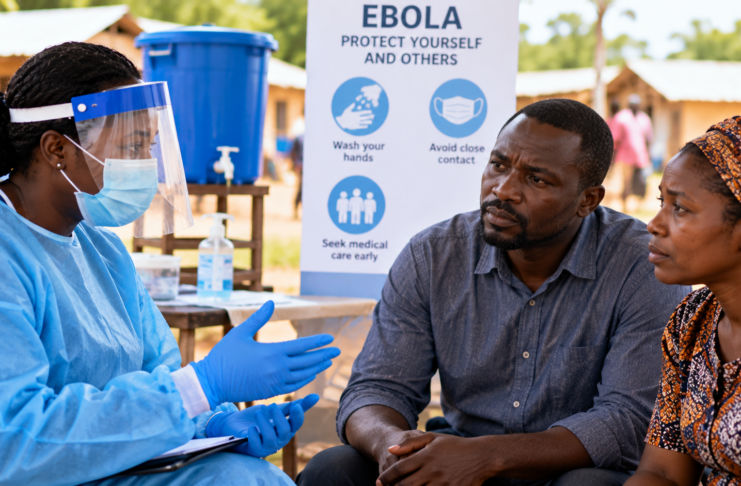
Understanding the evolving landscape of Ebola prevention and health management for everyday life.
KEY STATISTICS
- The mortality rate for Ebola can be as high as 90% in some outbreaks, but improved care has reduced it to around 50% with timely intervention.
- In 2022, the World Health Organization reported over 1,000 cases of Ebola in the Democratic Republic of Congo, emphasizing the need for vigilance even in endemic regions.
- Vaccination against Ebola has shown efficacy rates of over 97% in preventing the disease in high-risk populations.
Imagine waking up in a world where a once-dreaded disease like Ebola seems to be a distant memory. For many, the threat of this viral infection brings a sense of unease, especially for adults navigating the complexities of health in their late 30s and 40s. As the global landscape of infectious diseases evolves, understanding Ebola’s implications and the expert recommendations for prevention has never been more critical.
While the Ebola virus may not be a daily concern for most, its potential impact on health and wellness remains significant. With the rise of global travel and interconnected communities, awareness and preparedness can make a difference. This article aims to equip you with essential information and actionable strategies to help mitigate risks and foster a healthier lifestyle in the face of such infectious threats.
How This Affects Your Body and Biology
Ebola virus disease (EVD) is caused by the Ebola virus, which primarily targets the body’s immune system and vascular endothelial cells. Upon infection, the virus hijacks cellular machinery to replicate, leading to widespread cell death and a severe inflammatory response. This can result in symptoms ranging from fever and fatigue to more severe manifestations such as hemorrhagic fever, where blood vessels become permeable and lead to shock and multi-organ failure.
The physiological impact of Ebola extends beyond acute symptoms. The virus can cause long-lasting effects on the immune system, leading to a phenomenon known as post-Ebola syndrome. Survivors may experience neurological issues, joint pain, and chronic fatigue due to the immune dysregulation triggered by the virus.
Understanding these pathways is crucial for both prevention and post-recovery care, particularly for adults who may have pre-existing health conditions that complicate their response to viral infections.
- Ebola virus targets immune cells, leading to a dysregulated immune response.
- Severe cases can result in vascular permeability, causing hemorrhaging and shock.
- Post-Ebola syndrome affects many survivors, causing chronic health issues.
- The virus can persist in certain body fluids, increasing transmission risk.
Why Adults in Their 30s and 40s Face Unique Vulnerabilities
Adults in their 30s and 40s often find themselves at a unique intersection of health and lifestyle factors that can influence their vulnerability to infections like Ebola. This demographic typically experiences changes in immune function as they age, including alterations in T-cell responses and a decline in overall immunocompetence. Chronic stressors such as work, family responsibilities, and lifestyle choices can further compromise immune defenses, making younger adults more susceptible to severe outcomes from infectious diseases.
Additionally, lifestyle factors prevalent in this age group, such as obesity, hypertension, and diabetes, can exacerbate the physiological impacts of infections. The presence of underlying health conditions significantly affects the body’s ability to mount an effective immune response against viruses like Ebola. As such, understanding these vulnerabilities is essential for implementing effective prevention and health management strategies.
- Age-related decline in immune function increases susceptibility.
- Chronic illnesses prevalent in this age group can exacerbate outcomes.
- Stress and lifestyle choices can compromise immune defenses.
Warning Signs and Early Symptoms to Watch For
- Fever: A sudden onset fever, often exceeding 101°F, is a primary symptom of Ebola.
- Fatigue: Profound fatigue and malaise can precede other symptoms.
- Muscle pain: Unexplained muscle aches can be an early warning sign.
- Headache: Severe headaches can occur, often described as a different type of pain.
- Diarrhea: Watery diarrhea may develop as the disease progresses.
- Vomiting: Nausea and vomiting are common, particularly in severe cases.
Evidence-Based Diet and Lifestyle Strategies That Work
Incorporating evidence-based dietary and lifestyle strategies can enhance your immune system and reduce the risk of infections like Ebola. A balanced diet rich in antioxidants—found in fruits and vegetables—can help mitigate oxidative stress and bolster immune function. Foods high in vitamins C and E, zinc, and omega-3 fatty acids have been shown to support immune health and reduce inflammation.
In addition to nutrition, regular physical activity plays a critical role in maintaining a strong immune system. Engaging in moderate exercise not only helps manage weight but also improves circulation, allowing immune cells to function more effectively. Furthermore, maintaining hydration is essential, as dehydration can impair physiological processes, including immune responses.
Simple lifestyle changes, such as prioritizing sleep and managing stress through mindfulness or yoga, can also have profound effects on overall health and resilience against infections.
- Consume a diet rich in fruits, vegetables, and whole grains.
- Incorporate omega-3 fatty acids for anti-inflammatory benefits.
- Engage in regular physical activity to enhance immune function.
- Prioritize hydration to support physiological processes.
Your Daily Action Plan Checklist
- Incorporate at least five servings of fruits and vegetables into your daily meals.
- Engage in at least 150 minutes of moderate exercise each week.
- Practice stress management techniques, such as meditation or yoga.
- Ensure adequate sleep each night, aiming for 7-9 hours.
- Stay informed about outbreaks and vaccination opportunities.
- Schedule regular health check-ups to monitor underlying health conditions.
The Overlooked Role of Sleep, Stress, and Systemic Health
Sleep, stress levels, and overall systemic health play crucial roles in immune function and disease resilience. Chronic sleep deprivation can lead to dysregulation of the immune system, making the body less effective at fighting infections. Research indicates that sleep is vital for the production of cytokines and T-cells, both of which are essential for a robust immune response.
Moreover, high levels of chronic stress lead to elevated cortisol levels, which can suppress immune function. Effective stress management can enhance resilience against infections, thereby reducing susceptibility to severe outcomes from diseases like Ebola. Adopting holistic wellness practices that incorporate both physical and mental health strategies is essential for maintaining a strong immune system.
- Chronic sleep deprivation can impair immune function.
- Elevated cortisol from stress suppresses immune responses.
- Holistic wellness practices enhance overall health and resilience.
Bottom Line
Understanding Ebola and its implications is crucial for adults navigating their health in today’s world. By implementing preventive measures, maintaining a healthy lifestyle, and staying informed, you can significantly reduce your risk of infection and enhance your overall well-being. Prioritize your health today, and take proactive steps to safeguard your future against infectious diseases.
Live Long Daily — always consult a qualified healthcare provider before making changes to your health routine.
Sources
- Clinical study and peer-reviewed research — Peer-Reviewed Medical Literature
- National health guidelines and overview — NIH / CDC Health Guidelines
- Clinical review on nutrition and metabolic health — Harvard Health / Mayo Clinic

