
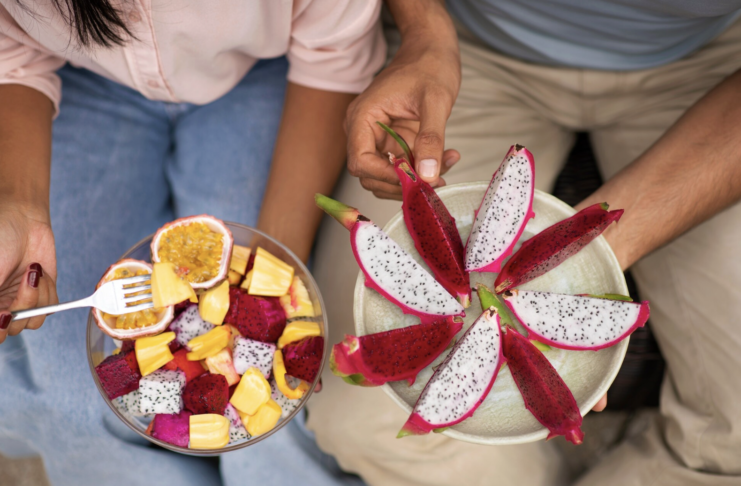
New laboratory analysis of Brazilian pitaya varieties reveals that both the pulp and the often-discarded peel carry meaningful concentrations of antioxidants, minerals, and bioactive compounds — findings that may reshape how you think about this fruit.
KEY STATISTICS
- Multiple Selenicereus (pitaya) varieties analyzed in a published Plant Foods for Human Nutrition study showed measurable antioxidant capacity in both pulp and peel fractions.
- The peel of certain pitaya varieties contained higher concentrations of bioactive compounds than the edible pulp, according to the same research.
- Pitaya is a recognized source of dietary minerals including calcium, magnesium, and phosphorus — nutrients that become increasingly important after age 35.
You have probably seen pitaya — also called dragon fruit — stacked at the grocery store or blended into a smoothie bowl, its vivid pink or yellow skin making it impossible to miss. Most of us slice it open, scoop out the flesh, and throw away the peel without a second thought. But a study published in Plant Foods for Human Nutrition examined multiple Brazilian Selenicereus pitaya varieties and found that both parts of the fruit — including the peel most of us discard — carry a distinct profile of antioxidants, minerals, and bioactive compounds worth understanding.
What the Research Actually Found
The research analyzed pitaya varieties at the level of their bioactive chemistry, measuring antioxidant capacity using established laboratory methods alongside mineral content and specific compounds known to influence cellular health. What makes this analysis notable is that it treated pulp and peel as separate subjects rather than averaging the whole fruit, revealing that each fraction behaves differently. For adults trying to optimize nutrition from whole foods, that distinction matters.
- Antioxidant capacity varied meaningfully between pitaya varieties, suggesting that the specific cultivar you choose is not nutritionally interchangeable.
- Bioactive compounds — including phenolics and betalains — were detected in both pulp and peel, though their concentrations differed by fraction.
- Mineral profiles showed the presence of calcium, magnesium, and phosphorus, minerals tied to bone density, nerve function, and energy metabolism.
- The peel fraction in certain varieties showed higher bioactive compound concentrations than the pulp, making it a potential candidate for functional food applications.
Why This Age Window Matters
Adults between 35 and 45 sit at a nutritional inflection point. Metabolic efficiency begins to shift, oxidative stress accumulates more readily, and dietary mineral needs — particularly for calcium and magnesium — become harder to meet without intentional food choices. This is precisely the window where expanding your antioxidant and mineral intake through whole foods can have a measurable long-term impact, according to general nutritional guidance from institutions like the NIH.
- Oxidative stress compounds gradually after 35, making dietary antioxidant sources more relevant to cellular maintenance.
- Bone mineral density begins its slow decline in this decade, elevating the importance of calcium and magnesium from food sources.
- Metabolic changes in this age group can increase inflammation risk, and polyphenol-rich foods are associated with anti-inflammatory pathways.
- Dietary variety tends to narrow in busy mid-life years, making nutrient-dense whole fruits a practical strategy rather than a supplement-first approach.
Signs Your Diet May Be Falling Short
- Persistent fatigue that is not explained by sleep quality alone — a potential indicator of inadequate mineral intake.
- Muscle cramps or spasms, which can reflect low magnesium or calcium levels over time.
- Slow post-exercise recovery, sometimes associated with insufficient antioxidant capacity in the diet.
- Frequent minor illnesses, which may point to gaps in micronutrient and phytochemical support for immune function.
- Skin that looks dull or recovers slowly from sun exposure — a sign that oxidative burden may be outpacing your dietary defenses.
- Difficulty concentrating or mood variability, conditions sometimes linked to insufficient B-vitamin and mineral intake from whole foods.
Practical Ways to Eat Smarter
Incorporating pitaya into a varied, whole-food diet is straightforward — but the research suggests that being more deliberate about variety and preparation method is worth the small extra effort. Because bioactive compound concentrations differed significantly between cultivars and between pulp and peel, treating pitaya as a single uniform food underestimates its potential. Practical changes at the point of purchase and preparation can meaningfully change what you actually absorb.
- Seek out different pitaya cultivars when available — yellow-skinned and red-fleshed varieties differ in their bioactive compound profiles.
- Consider using dried or powdered pitaya peel in smoothies or recipes; food-grade preparations preserve bioactive compounds and avoid waste.
- Pair pitaya with a source of healthy fat to enhance absorption of fat-soluble phytochemicals present in the fruit.
- Eat pitaya fresh rather than heavily processed — heat treatment can degrade temperature-sensitive antioxidant compounds.
Your Pitaya Action Plan
- Add fresh pitaya to your weekly fruit rotation at least once, choosing it deliberately rather than defaulting to familiar options.
- When available, try both yellow (Selenicereus megalanthus) and red-fleshed varieties to expose yourself to different compound profiles.
- Ask your healthcare provider to check your calcium and magnesium levels at your next annual visit if you have not done so recently.
- Explore recipes that use the peel in dried or powdered form — an increasingly available ingredient in specialty and health food stores.
- Keep a rough food log for one week to assess how many antioxidant-rich whole fruits you are actually eating versus how many you intend to eat.
- Combine pitaya with nuts, avocado, or a drizzle of olive oil in a salad or bowl to support absorption of its fat-associated compounds.
Sleep Debt Undermines Your Diet
One factor that often goes unexamined in conversations about antioxidant-rich foods is the role that chronic sleep disruption plays in amplifying oxidative stress. Research in general sleep medicine has consistently found that poor sleep accelerates the inflammatory and oxidative processes that dietary antioxidants are meant to counteract — meaning that a diet rich in bioactive compounds is most effective when it is supported by adequate, quality rest. For the 35-to-45 age group, where sleep is frequently sacrificed to career and family demands, this is a compounding vulnerability.
- Oxidative stress rises measurably after even one to two nights of poor sleep, increasing the demand on your dietary antioxidant intake.
- Mineral regulation — including magnesium — is partly governed by sleep quality, meaning poor sleep can worsen deficiencies even in those eating well.
- Prioritizing seven to nine hours of sleep does not replace a nutrient-rich diet, but it does ensure that diet actually performs its intended biological function.
- Evening routines that reduce screen exposure and cortisol spikes protect the same cellular systems that antioxidant-rich foods like pitaya are meant to support.
Bottom Line
The science emerging around pitaya — and specifically around the distinct nutritional character of its pulp versus its peel across different Brazilian varieties — offers a clear, actionable message for adults in their late thirties and forties: whole-food diversity is not a vague wellness slogan, it is a measurable nutritional strategy. Choosing varied cultivars, rethinking what you throw away, and pairing antioxidant-rich fruits with adequate sleep and mineral monitoring gives you a practical framework grounded in real research. This fruit is worth more than its Instagram presence suggests.
Live Long Daily — always consult a qualified healthcare provider before making changes to your health routine.
Sources
- Bioactive Compounds, Antioxidant Capacity and Mineral Profile of Pulp and Peel from Diverse Selenicereus (Pitaya) Varieties in Brazil — Plant Foods for Human Nutrition (Dordrecht, Netherlands) — via PubMed
- NIH — General guidance on dietary minerals and adult nutritional needs — National Institutes of Health (NIH)
- Harvard Health — General guidance on antioxidants and oxidative stress in aging — Harvard Health Publishing

