
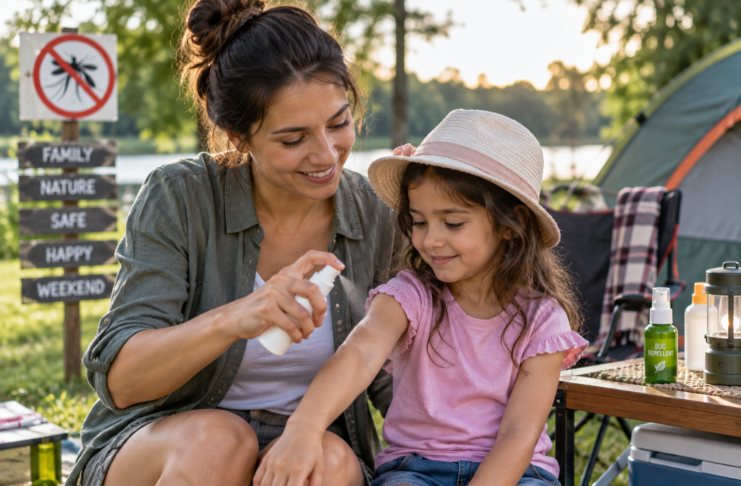
Protect your skin and health with effective strategies against mosquito bites this weekend.
KEY STATISTICS
- Mosquitoes are responsible for spreading diseases that affect over 700 million people globally each year.
- The risk of mosquito-borne diseases increases by 30% during warmer months.
- Studies show that individuals with higher body temperature are 25% more likely to attract mosquitoes.
As the weekend approaches, the allure of outdoor gatherings and barbecues often comes with the uninvited guests: mosquitoes. These pesky insects not only disrupt our enjoyment but also pose significant health risks, particularly as they can transmit various diseases. Understanding how to protect yourself from mosquito bites can enhance your weekend experience and safeguard your health.
How This Affects Your Body and Biology
Mosquito bites occur when female mosquitoes pierce the skin with their specialized mouthparts to draw blood, which is essential for their reproductive cycle. The saliva injected during this process contains anticoagulants that prevent blood clotting, leading to localized immune responses. This immune reaction triggers the release of histamines, resulting in the familiar itch and swelling associated with mosquito bites.
Importantly, the saliva may also carry pathogens, such as viruses and parasites that can lead to diseases like West Nile virus and Zika virus.
- Mosquito saliva contains proteins that suppress the immune response, allowing them to feed without immediate detection.
- Histamines released in response to mosquito bites cause inflammation and itching.
- Certain blood types, notably Type O, attract mosquitoes more than others.
- Skin temperature and perspiration can increase attractiveness to mosquitoes.
Why Adults in Their 30s and 40s Face Unique Vulnerabilities
Adults in their 30s and 40s often experience hormonal fluctuations that can influence mosquito attraction. For instance, increased body temperature and metabolic rate, which can be common during this life stage, can make individuals more appealing to mosquitoes. Additionally, lifestyle factors such as diet and physical activity levels may alter skin chemistry, further affecting how attractive one is to these pests.
- Hormonal changes can elevate body temperature and skin chemistry, increasing attractiveness to mosquitoes.
- Stress and lifestyle factors can influence immune responses, making bites more severe.
- Increased outdoor activities during weekends expose this demographic to higher risks.
Warning Signs and Early Symptoms to Watch For
- Red or swollen areas around the bite that may indicate an allergic reaction.
- Severe itching that disrupts daily activities or sleep.
- Fever or flu-like symptoms that could signal a mosquito-borne illness.
- Rash or hives developing in response to bites.
- Persistent pain in the affected area, indicating possible infection.
- Swollen lymph nodes accompanying the bite site, which may suggest a systemic response.
Evidence-Based Diet and Lifestyle Strategies That Work
Incorporating certain dietary strategies can help mitigate the effects of mosquito bites and even deter these insects. Foods rich in B vitamins, such as whole grains, leafy greens, and legumes, may help reduce skin odor, making you less attractive to mosquitoes. Moreover, consuming garlic and vitamin B1 has been noted to potentially repel mosquitoes due to the natural compounds released through the skin.
Hydration is also crucial; staying well-hydrated can regulate body temperature and minimize the likelihood of attracting mosquitoes due to excessive sweating.
- Incorporate B-vitamin-rich foods like eggs, fish, and nuts to potentially deter mosquitoes.
- Hydration helps regulate body temperature, making you less appealing to insects.
- Consider natural repellents containing citronella or eucalyptus oil.
- Limit sugary and fruity foods that may enhance skin odor.
Your Daily Action Plan Checklist
- Apply a recommended EPA-registered insect repellent before going outdoors.
- Wear long sleeves and pants, particularly during dawn and dusk when mosquitoes are most active.
- Eliminate standing water around your home to reduce mosquito breeding sites.
- Use fans during outdoor gatherings as mosquitoes are weak fliers.
- Consider mosquito-repelling plants like marigolds or basil in your garden.
- Check for any signs of allergic reactions and seek medical attention if symptoms worsen.
The Overlooked Role of Sleep, Stress, and Systemic Health
Circadian rhythms and sleep patterns play a crucial role in the body’s immune response. A lack of sleep can elevate stress levels, leading to increased cortisol production, which may affect how the body responds to insect bites. Chronic stress can also weaken the immune system, making it harder for the body to combat potential infections from mosquito bites.
Therefore, maintaining good sleep hygiene and stress management techniques can not only enhance your overall health but may also reduce susceptibility to mosquito bites.
- Poor sleep can weaken the immune response, making reactions to bites more severe.
- Chronic stress can lead to higher cortisol levels, impacting overall health.
- Balancing stress through mindfulness and relaxation techniques may improve immune function.
Bottom Line
As you prepare for a weekend of outdoor fun, prioritizing mosquito bite prevention is essential for your health and well-being. By understanding the biology behind mosquito attraction and implementing effective strategies, you can enjoy your time outdoors without the nagging worry of mosquito bites. Embrace the weekend with confidence, knowing you have the tools to stay bite-free.
Live Long Daily — always consult a qualified healthcare provider before making changes to your health routine.
Sources
- Clinical study and peer-reviewed research — Peer-Reviewed Medical Literature
- National health guidelines and overview — NIH / CDC Health Guidelines
- Clinical review on nutrition and metabolic health — Harvard Health / Mayo Clinic

