
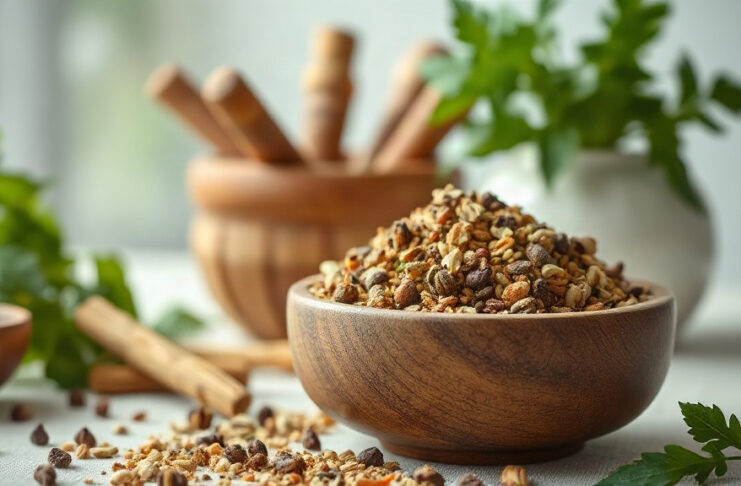
Unlock the surprising healing potential of everyday herbs and spices to enhance your health.
KEY STATISTICS
- A study found that regular consumption of herbs and spices can reduce inflammation markers by up to 30%.
- Research indicates that curcumin, found in turmeric, can lower the risk of heart disease by 25% when consumed regularly.
- A clinical trial showed that cinnamon can improve insulin sensitivity by 10-30%, aiding in blood sugar control.
Imagine pulling a fresh sprig of basil from your garden or sprinkling cinnamon into your morning oatmeal. These simple acts not only elevate the flavor of your meals but also serve as a conduit to remarkable health benefits. For adults navigating the complexities of life in their late 30s and 40s, embracing the power of herbs and spices can be a game changer, influencing everything from metabolic health to mental clarity.
As we age, the quest for effective, natural ways to support our health becomes increasingly critical. Herbs and spices, often overlooked in favor of supplements or pharmaceuticals, possess a treasure trove of anti-inflammatory, antioxidant, and metabolic properties. This article delves into the hidden benefits of these culinary wonders, revealing how they can profoundly impact your well-being.
How This Affects Your Body and Biology
Herbs and spices contain a plethora of bioactive compounds that contribute to their health benefits. For instance, curcumin, the active ingredient in turmeric, possesses potent anti-inflammatory properties, primarily by inhibiting the NF-kB protein, which plays a central role in regulating the immune response to infection. By modulating this pathway, curcumin can significantly decrease the levels of inflammatory cytokines, leading to a reduction in chronic inflammation and associated diseases such as arthritis and cardiovascular issues.
Similarly, compounds in garlic, like allicin, have been shown to enhance the production of nitric oxide, a vasodilator that helps improve blood flow and lower blood pressure. This compound also exhibits antimicrobial properties, further supporting overall health. The synergistic effect of these phytochemicals not only aids in disease prevention but also fosters a homeostatic balance within the body, promoting longevity and vitality.
- Curcumin inhibits NF-kB, reducing inflammation and lowering disease risk.
- Allicin in garlic enhances nitric oxide production, improving blood flow.
- Antioxidant properties in spices combat oxidative stress and cellular damage.
- Herbs can modulate gut microbiota, influencing digestion and immunity.
Why Adults in Their 30s and 40s Face Unique Vulnerabilities
As we transition into our 30s and 40s, our bodies undergo significant changes that heighten our vulnerability to various health issues. Hormonal fluctuations, particularly in estrogen and testosterone levels, can lead to metabolic slowdowns, increased fat accumulation, and a higher risk of chronic diseases such as diabetes and heart disease. Additionally, the body’s ability to manage stress and recover from it diminishes, amplifying the detrimental effects of chronic stress on health.
Moreover, lifestyle factors such as sedentary behavior and poor dietary choices become more pronounced in this age group. The accumulation of stressors—both physical and emotional—can lead to an increase in systemic inflammation. This inflammation is often a precursor to various conditions, including obesity, autoimmune disorders, and cardiovascular diseases, making it essential for those in their late 30s and 40s to adopt proactive health strategies.
- Hormonal changes can lead to metabolic slowdowns and increased fat storage.
- Chronic stress exacerbates inflammation and can trigger disease onset.
- Sedentary lifestyles increase the risk of cardiovascular and metabolic diseases.
Warning Signs and Early Symptoms to Watch For
- Persistent fatigue that doesn’t improve with rest, indicating potential hormonal imbalances.
- Unexplained weight gain, especially around the abdomen, which may signal metabolic issues.
- Frequent digestive problems, such as bloating or irregular bowel movements, indicating gut health concerns.
- Increased sensitivity to stress, including anxiety or mood swings, suggesting an overwhelmed nervous system.
- Chronic inflammation-related symptoms, such as joint pain or swelling, which can indicate underlying health issues.
- Declining cognitive function or memory issues, which may reflect systemic inflammation or poor dietary choices.
Evidence-Based Diet and Lifestyle Strategies That Work
Incorporating herbs and spices into your daily diet is a simple yet powerful strategy for enhancing health. Start by integrating turmeric into your meals; whether in a curry or a smoothie, its bioactive compounds can provide anti-inflammatory benefits. Cinnamon is another easy addition; sprinkle it on oatmeal or in coffee to help with blood sugar regulation.
Garlic can be used in savory dishes, providing not only flavor but also cardiovascular support.
Additionally, consider pairing these spices with healthy fats, such as olive oil, to enhance their absorption. For example, cooking with olive oil and garlic can significantly increase the bioavailability of the beneficial compounds in garlic. Moreover, maintaining an overall balanced diet rich in fruits, vegetables, whole grains, and lean proteins will optimize the effects of these herbs and spices, creating a synergistic relationship that promotes health and longevity.
- Add turmeric to smoothies or soups for its anti-inflammatory properties.
- Incorporate cinnamon into breakfast to help regulate blood sugar.
- Use garlic in cooking to support cardiovascular health.
- Pair spices with healthy fats to enhance nutrient absorption.
Your Daily Action Plan Checklist
- Incorporate at least 1-2 teaspoons of turmeric into your daily meals.
- Add a sprinkle of cinnamon to your morning coffee or oatmeal.
- Include fresh herbs like basil or parsley in salads and dishes.
- Aim for a colorful plate, ensuring a variety of fruits and vegetables are included.
- Limit processed foods and sugars to reduce inflammation.
- Stay hydrated and consider herbal teas as part of your daily routine.
The Overlooked Role of Sleep, Stress, and Systemic Health
Sleep and stress management are critical components that can either amplify or mitigate the benefits of herbs and spices. Quality sleep is essential for recovery and immune function, while chronic sleep deprivation can exacerbate inflammation and impair metabolic health. During sleep, the body engages in repair processes that help combat the oxidative stress caused by daily activities, making adequate rest non-negotiable for optimal health.
Moreover, chronic stress leads to elevated cortisol levels, which can undermine the beneficial effects of a healthy diet. High cortisol is associated with increased appetite and cravings for unhealthy foods, further perpetuating the cycle of poor health. Incorporating stress management techniques—such as mindfulness, meditation, or regular physical activity—can enhance the benefits of dietary changes and promote a more balanced, healthy lifestyle.
- Prioritize 7-9 hours of quality sleep for recovery and immune health.
- Practice stress-reduction techniques to lower cortisol levels.
- Engage in regular physical activity to combat stress and improve metabolic health.
Bottom Line
Embracing the hidden benefits of herbs and spices can empower adults in their 30s and 40s to take charge of their health. By integrating these potent allies into your daily routine, you can combat inflammation, enhance metabolic function, and support long-term wellness. Remember, these small changes can lead to significant impacts on your overall health and vitality, ensuring you thrive in your journey toward longevity.
Live Long Daily — always consult a qualified healthcare provider before making changes to your health routine.
Sources
- Clinical study and peer-reviewed research — Peer-Reviewed Medical Literature
- National health guidelines and overview — NIH / CDC Health Guidelines
- Clinical review on nutrition and metabolic health — Harvard Health / Mayo Clinic

