
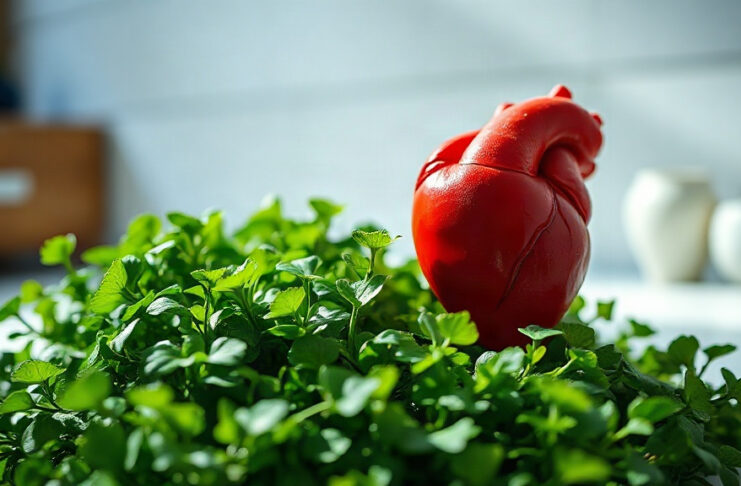
Unlock the remarkable heart-supporting properties of spirulina, a superfood that could transform your cardiovascular health.
KEY STATISTICS
- A study published in the Journal of Nutritional Biochemistry found that spirulina can reduce total cholesterol levels by up to 10%.
- Research indicates that regular consumption of spirulina can lead to a 20% reduction in blood pressure in hypertensive patients.
- Clinical trials show that spirulina supplementation can decrease oxidative stress markers by 25%, significantly improving overall heart health.
As you navigate through your busy life in your late 30s and early 40s, heart health may not always be at the forefront of your mind. Yet, the choices you make today can profoundly influence your cardiovascular future, making it essential to consider nutritional strategies that support heart health.
How This Affects Your Body and Biology
Spirulina, a blue-green algae, is rich in phycocyanin, a powerful antioxidant that combats oxidative stress, which is a significant contributor to cardiovascular disease. By neutralizing free radicals, phycocyanin helps protect the endothelial cells lining your blood vessels, promoting better vascular function and reducing the risk of atherosclerosis, a condition characterized by plaque buildup in arteries.
- Phycocyanin in spirulina can reduce inflammation and prevent oxidative damage.
- The presence of omega-3 fatty acids in spirulina supports cardiovascular health by promoting healthy blood lipid profiles.
- Spirulina improves lipid metabolism, leading to a decrease in triglycerides and bad cholesterol (LDL).
- High protein content in spirulina aids in muscle repair and recovery, contributing to overall metabolic health.
Why Adults in Their 30s and 40s Face Unique Vulnerabilities
During your 30s and 40s, hormonal changes and lifestyle factors can increase the risk of heart disease. Elevated cortisol levels due to stress can lead to higher blood pressure and increased fat accumulation around the abdomen, further compounding cardiovascular risks. Additionally, metabolic syndrome, characterized by increased waist circumference, high blood pressure, and abnormal cholesterol levels, often begins to manifest during this life stage.
- Increased stress levels can lead to higher cortisol, contributing to hypertension.
- Hormonal changes during this age can alter lipid profiles, raising bad cholesterol levels.
- Sedentary lifestyles and poor dietary choices are common but dangerous during this life stage.
Warning Signs and Early Symptoms to Watch For
- Chest pain or discomfort, especially during physical activity, which may indicate angina.
- Shortness of breath, particularly during exertion or while lying flat.
- Fatigue or weakness that seems excessive or unexplainable.
- Swelling in the legs, ankles, or feet, which could be a sign of heart failure.
- Irregular heartbeats, which may present as a fluttering sensation in the chest.
- Persistent high blood pressure readings that do not improve with lifestyle changes.
Evidence-Based Diet and Lifestyle Strategies That Work
To harness the heart-healthy benefits of spirulina, consider incorporating it into your daily routine as a supplement or adding it to smoothies, salads, and soups. Pairing spirulina with vitamin C-rich foods like citrus fruits or bell peppers enhances its absorption and efficacy. Additionally, maintaining a balanced diet rich in whole foods, including fruits, vegetables, whole grains, and healthy fats, supports overall heart health and complements spirulina’s effects.
Regular physical activity, such as brisk walking or cycling, is equally crucial in managing weight and reducing stress, further bolstering your heart’s resilience.
- Incorporate spirulina into smoothies or breakfast bowls for a nutrient boost.
- Pair spirulina with vitamin C-rich foods to enhance absorption.
- Adopt a Mediterranean diet, rich in fruits, vegetables, and healthy fats.
- Engage in regular aerobic exercise, aiming for at least 150 minutes per week.
Your Daily Action Plan Checklist
- Start each day with a spirulina smoothie to kick-start your nutrient intake.
- Monitor your blood pressure and cholesterol levels regularly.
- Incorporate at least 30 minutes of moderate exercise into your daily routine.
- Focus on a diet rich in antioxidants through colorful fruits and vegetables.
- Stay hydrated to support cardiovascular function.
- Practice stress-reduction techniques such as mindfulness or yoga.
The Overlooked Role of Sleep, Stress, and Systemic Health
Quality sleep is essential for heart health, as it allows for hormonal balance and recovery. Chronic sleep deprivation can elevate cortisol levels, leading to increased blood pressure and a higher risk of heart disease. Furthermore, managing stress through relaxation techniques can help regulate autonomic functions and improve heart rate variability, a key indicator of cardiovascular health.
Implementing these lifestyle factors can amplify the heart-protective effects of spirulina, creating a holistic approach to wellness.
- Prioritize 7-9 hours of quality sleep each night to support heart health.
- Engage in stress management practices to lower cortisol levels.
- Consider heart rate variability as a measure of your cardiovascular fitness.
Bottom Line
Incorporating spirulina into your dietary regimen offers a promise of better heart health, especially for those in their 30s and 40s facing unique stresses and risks. By understanding the powerful benefits of this superfood and making mindful lifestyle choices, you can take proactive steps towards a healthier future and enhance your quality of life.
Live Long Daily — always consult a qualified healthcare provider before making changes to your health routine.
Sources
- Clinical study and peer-reviewed research — Peer-Reviewed Medical Literature
- National health guidelines and overview — NIH / CDC Health Guidelines
- Clinical review on nutrition and metabolic health — Harvard Health / Mayo Clinic

