
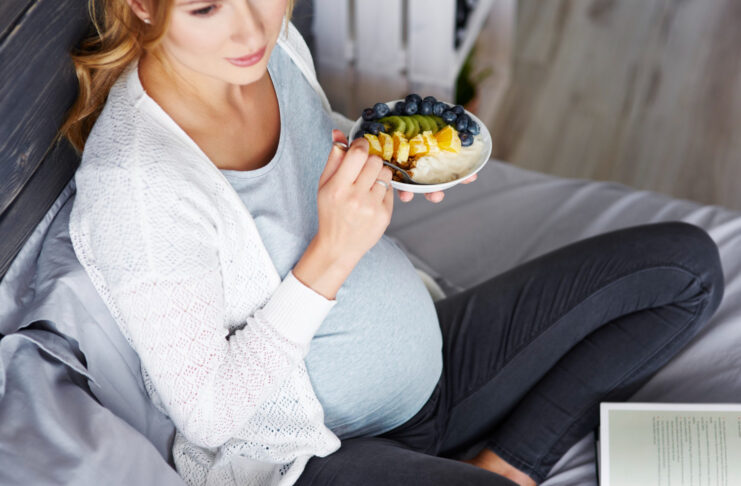
Understanding how protein intake can significantly impact fertility and pregnancy outcomes.
KEY STATISTICS
- Women consuming high-protein diets have a 30% lower risk of ovulatory infertility compared to those with low protein intake.
- Studies show that a balanced intake of animal and plant proteins is associated with a 20% increase in successful pregnancy rates.
- Excessive intake of red and processed meats has been linked to a 50% increase in the risk of complications during pregnancy.
As you navigate the complexities of life in your late 30s and early 40s, the desire for a healthy pregnancy may loom large. With career demands and family planning mingling in your everyday decisions, the nuances of dietary choices can seem overwhelming yet crucial as you consider conception.
How This Affects Your Body and Biology
Dietary protein plays a critical role in hormone regulation, particularly for women in their reproductive years. Proteins, broken down into amino acids, are essential for the synthesis of hormones such as estrogen and progesterone, which regulate ovulation and prepare the uterus for pregnancy. Furthermore, adequate protein intake facilitates the production of insulin and insulin-like growth factors, which are vital for ovarian function and overall reproductive health.
- Amino acids from protein are crucial for hormone synthesis relating to reproduction.
- Insulin regulation directly affects ovarian function and may influence fertility.
- Balanced protein sources can help maintain metabolic health and support ovulatory function.
- Dietary choices can either enhance or impair reproductive health depending on protein sources.
Why Adults in Their 30s and 40s Face Unique Vulnerabilities
As adults transition into their 30s and 40s, hormonal shifts and metabolic changes can complicate reproductive health. Women may experience age-related declines in ovarian reserve and quality, making the balance of nutrients like protein even more critical. Additionally, chronic stress and lifestyle factors prevalent in this age group can exacerbate hormonal imbalances, influencing both fertility and pregnancy outcomes.
- Ovarian reserve declines with age, impacting fertility potential.
- Increased stress levels can disrupt hormonal balance, affecting ovulation.
- Chronic health conditions may compound risks associated with pregnancy.
Warning Signs and Early Symptoms to Watch For
- Irregular menstrual cycles: Unpredictable periods can indicate hormonal imbalances.
- Unexplained weight changes: Sudden weight gain or loss may affect fertility.
- Severe fatigue: Persistent tiredness can signal nutritional deficiencies.
- Changes in mood: Increased anxiety or depression may relate to hormonal shifts.
- Painful menstruation: Intense cramps can indicate underlying reproductive issues.
- Difficulty conceiving: Struggling to get pregnant after a year of trying warrants professional evaluation.
Evidence-Based Diet and Lifestyle Strategies That Work
To optimize fertility and pregnancy outcomes, consider a diet rich in diverse protein sources. Aim for a balanced intake of both animal and plant proteins, which not only supports hormone production but also contributes to overall metabolic health. Incorporating legumes, nuts, lean meats, and fish can enhance amino acid profiles and provide essential nutrients necessary for reproductive health.
Additionally, focusing on whole foods while minimizing processed and high-sugar items can improve insulin sensitivity, a crucial factor for fertility.
- Incorporate a mix of animal and plant proteins for optimal amino acid balance.
- Prioritize whole, minimally processed foods to support metabolic health.
- Maintain a balanced diet rich in fruits, vegetables, and whole grains.
- Monitor portion sizes and strive for regular meal timing to stabilize blood sugar.
Your Daily Action Plan Checklist
- Assess your current protein intake and make adjustments as necessary.
- Incorporate at least one source of lean protein in every meal.
- Plan weekly meals that include a variety of protein sources.
- Stay hydrated and limit caffeine and alcohol intake.
- Engage in regular physical activity to support overall health.
- Consult with a healthcare provider or nutritionist for personalized advice.
The Overlooked Role of Sleep, Stress, and Systemic Health
Circadian rhythms and sleep quality play an essential role in hormonal regulation and overall health. Chronic sleep deprivation can lead to elevated cortisol levels, which may hinder reproductive function and contribute to issues like insulin resistance. Managing stress through mindfulness practices, regular exercise, and adequate sleep can create a more favorable environment for conception and pregnancy.
- Quality sleep supports hormonal balance and reproductive health.
- Stress management techniques can mitigate the impact of cortisol on fertility.
- Regular physical activity helps regulate weight and supports metabolic health.
Bottom Line
Navigating the landscape of dietary protein and its implications for pregnancy can feel daunting, especially in your 30s and 40s. By understanding the connection between protein intake and reproductive health, you can make informed choices that support your journey towards conception. Remember, small dietary adjustments can yield significant benefits, fostering not only a healthy pregnancy but also a vibrant life ahead.
Live Long Daily — always consult a qualified healthcare provider before making changes to your health routine.
Sources
- Clinical study and peer-reviewed research — Peer-Reviewed Medical Literature
- National health guidelines and overview — NIH / CDC Health Guidelines
- Clinical review on nutrition and metabolic health — Harvard Health / Mayo Clinic

