
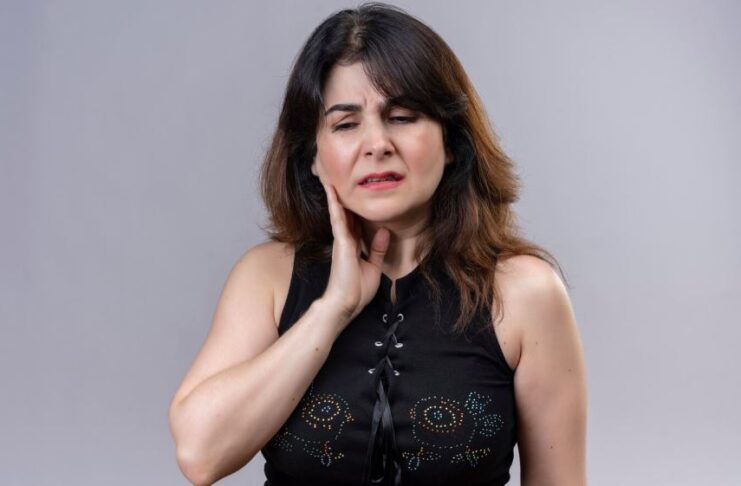
The chronic pain condition quietly accelerating dental aging in midlife women — and what to do before the damage compounds.
KEY STATISTICS
- Women with fibromyalgia are 40% more likely to report severe dry mouth compared to the general population, according to research published in the Journal of Oral Pathology & Medicine.
- Up to 90% of fibromyalgia patients experience temporomandibular joint (TMJ) dysfunction, directly eroding tooth enamel and jaw structure over time.
- A 2021 NIH-supported review found that chronic pain patients are twice as likely to avoid dental visits, allowing decay to advance silently for years.
You manage the fatigue, the flare-ups, the fog — but nobody warned you that fibromyalgia was quietly dismantling your smile at the same time. For millions of midlife women, the oral consequences of chronic pain conditions go undiagnosed for years, compounding aesthetic damage that feels impossible to reverse. Understanding the connection is the first step to stopping it.
What Fibromyalgia Does Internally
Fibromyalgia disrupts the central nervous system’s ability to regulate pain signals, but its reach extends far beyond muscles and joints.
Many of the medications prescribed to manage fibromyalgia — including tricyclic antidepressants, gabapentinoids, and certain SSRIs — trigger significant salivary gland suppression. Saliva is your mouth’s primary defense mechanism against decay, bacteria, and enamel erosion.
Without adequate saliva flow, acid-producing bacteria colonize the gumline rapidly. Enamel softens, cavities develop in unusual locations, and gum tissue begins receding faster than age alone would cause.
Chronic systemic inflammation — a hallmark of fibromyalgia — also activates inflammatory pathways in gingival tissue. This accelerates periodontal breakdown independently of hygiene habits, meaning even diligent brushers experience accelerated gum recession.
Why Midlife Women Suffer Most
Women between 35 and 45 face a compounding vulnerability: hormonal fluctuation during perimenopause and fibromyalgia inflammation often strike simultaneously.
Declining estrogen levels already reduce bone density in the jaw and reduce saliva production on their own. When fibromyalgia medication side effects layer on top, the cumulative drying effect becomes severe.
This age window is also when dental changes that began in the late twenties and early thirties become visually apparent — thinner enamel, longer-looking teeth from gum recession, and increased tooth sensitivity. Acting now determines whether these changes are manageable or permanent.
Women in this group also report higher rates of teeth grinding (bruxism) during sleep, which is strongly linked to chronic pain hypersensitivity and stress-related nervous system dysregulation.
Warning Signs to Watch
- Persistent dry mouth even after drinking water throughout the day — a direct sign of medication-induced salivary suppression
- Increased tooth sensitivity to temperature or sweet foods, signaling enamel thinning from acid exposure
- Teeth that appear longer than they used to — gum recession is often the culprit, not imagination
- Jaw soreness, clicking, or locking in the morning — indicative of nighttime bruxism linked to fibromyalgia pain responses
- Cavities appearing at the gumline or between teeth in previously decay-free areas — a red flag for chronic dry mouth damage
Changes That Actually Help
Switching to a remineralizing toothpaste containing hydroxyapatite or prescription-strength fluoride is a practical first line of defense for enamel protection. These formulas actively rebuild softened enamel rather than simply cleaning it.
Staying consistently hydrated with water — not flavored or acidic drinks — throughout the day helps compensate for reduced saliva flow. Xylitol-based gum or lozenges also stimulate saliva production without feeding decay-causing bacteria.
Dietary choices matter more than most fibromyalgia patients realize. Reducing fermentable carbohydrates and acidic foods limits the bacterial fuel that thrives in a dry oral environment.
Gentle, anti-inflammatory foods like leafy greens, omega-3-rich fish, and probiotic-rich yogurt support both systemic inflammation control and oral microbiome balance. These changes do not replace dental treatment but measurably slow deterioration between appointments.
Your Dental Protection Plan
- Book a dental appointment and explicitly tell your dentist you have fibromyalgia and which medications you take — this changes the entire treatment approach
- Ask your prescribing physician whether your current fibromyalgia medication can be adjusted or supplemented with a saliva substitute or oral rinse
- Use a custom nightguard fitted by your dentist if you experience jaw soreness, clicking, or morning headaches — over-the-counter versions rarely fit correctly
- Switch to a hydroxyapatite or prescription fluoride toothpaste and use it consistently twice daily, leaving it on teeth for two minutes before rinsing minimally
- Add a dry mouth oral rinse (look for biotene or similar formulas) to your nightly routine to protect enamel and gumline during sleep hours
The Sleep Connection Nobody Mentions
Sleep quality in fibromyalgia patients is chronically disrupted, and this creates a compounding oral health problem that most women never connect to their diagnosis.
During restorative sleep, saliva flow naturally decreases — but in healthy sleepers, the body compensates. In fibromyalgia patients, poor sleep combined with medication-induced dry mouth creates hours of unprotected acid exposure every night.
Bruxism intensity also spikes during the non-restorative, shallow sleep stages that fibromyalgia characteristically produces. This means enamel grinding occurs during the exact hours when saliva is most depleted.
Addressing sleep quality through pain management optimization, sleep hygiene routines, and a properly fitted nightguard targets three separate oral damage pathways simultaneously. It is one of the highest-leverage interventions available outside of the dental chair.
Bottom Line
Fibromyalgia’s impact on oral health is real, measurable, and largely preventable when you know what to look for. The combination of medication-induced dry mouth, systemic inflammation, bruxism, and disrupted sleep creates a slow but compounding cycle of dental aging that shows on your face long before most women connect it to their diagnosis. Bringing your fibromyalgia history into every dental conversation is not optional — it is the single most important thing you can do to protect your smile in your forties.
Always consult a qualified healthcare provider before making changes to your health routine.
Sources
- Oral health status and salivary flow rate in patients with fibromyalgia — Journal of Oral Pathology & Medicine
- Temporomandibular disorders and fibromyalgia: overlapping conditions and clinical implications — Journal of the American Dental Association
- Chronic pain, dental avoidance, and access to oral health care in adults — NIH National Institute of Dental and Craniofacial Research
- Medication-induced xerostomia and its oral health consequences — British Dental Journal

