
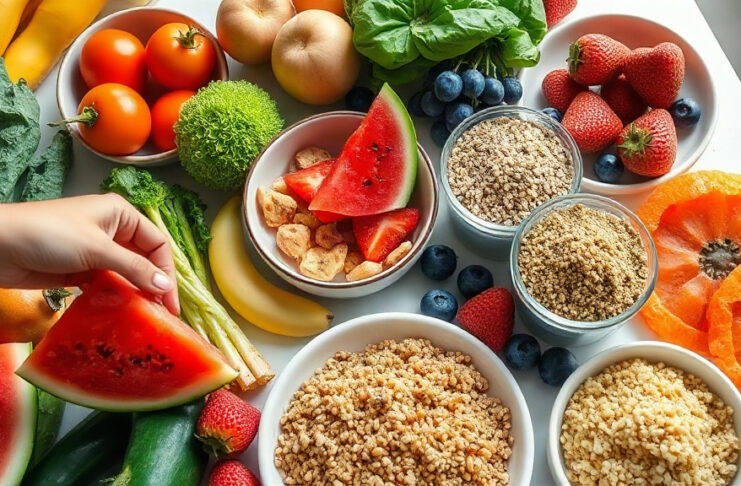
Popular digestion theories lack scientific backing and may complicate healthy eating unnecessarily.
KEY STATISTICS
- 78% of adults believe mixing proteins and carbohydrates impairs digestion
- Zero peer-reviewed studies support traditional food combining principles
- Human digestive enzymes work simultaneously on all macronutrients within 30 minutes
You’ve probably heard that eating fruit with meals causes bloating, or that combining proteins and starches leads to poor digestion and weight gain. These food combining rules have dominated wellness circles for decades, promising better health through strategic meal planning. But mounting scientific evidence shows these popular theories are based on outdated misconceptions about how your digestive system actually works.
How Digestion Really Works
Your digestive system operates as a highly coordinated assembly line, not the selective processing plant that food combining advocates describe. When you eat a mixed meal, your stomach releases hydrochloric acid and pepsin simultaneously to break down proteins, while pancreatic enzymes including amylase and lipase flood your small intestine to handle carbohydrates and fats.
This parallel processing happens automatically within 30 minutes of eating, regardless of which foods you combine. The pH levels in different parts of your digestive tract are specifically designed to handle multiple macronutrients at once, with your stomach maintaining an acidic environment around 1. 5-2.
0 pH while your small intestine shifts to alkaline conditions of 8. 0-8. 5 pH.
Research consistently shows that mixed meals actually improve nutrient absorption in many cases. Combining vitamin C-rich foods with iron enhances iron uptake, while eating healthy fats with vegetables increases absorption of fat-soluble vitamins A, D, E, and K.
Why Midlife Embraces Myths
Adults in their 35-45 age range often turn to food combining rules during a period when metabolism naturally begins to slow and digestive issues may increase. This demographic frequently experiences new digestive sensitivities due to stress, hormonal changes, and accumulated lifestyle factors rather than improper food combinations.
The appeal of food combining often intensifies during midlife as people seek explanations for unexplained bloating, energy dips, or weight gain. However, attributing these symptoms to mixing proteins and carbohydrates can delay identifying real underlying issues like food intolerances, SIBO (small intestinal bacterial overgrowth), or stress-related digestive dysfunction.
This age group also tends to have more disposable income to spend on specialized diet programs and wellness trends. The complexity of food combining rules can create a false sense of taking control over health concerns, when simpler evidence-based approaches would be more effective.
Signs You’re Restricting Unnecessarily
- Avoiding balanced meals due to food combining restrictions
- Experiencing increased stress around meal planning and timing
- Feeling guilty when eating naturally combined foods like sandwiches or pasta
- Restricting fruit intake based on timing rules rather than nutritional needs
- Using food combining as the primary strategy for digestive issues without medical evaluation
Evidence-Based Meal Planning
Focus on meal composition that supports stable blood sugar and satiation rather than arbitrary combining rules. Include protein, healthy fats, and fiber-rich carbohydrates in most meals to promote steady energy and fullness. This natural combination helps slow digestion and prevents rapid blood sugar spikes.
Pay attention to your individual responses to specific foods rather than following universal combining restrictions. Keep a simple food diary noting how different meals make you feel, focusing on energy levels, bloating, and satisfaction. This personalized approach provides much more valuable information than rigid combining rules.
Emphasize eating patterns that research actually supports: regular meal timing, adequate protein throughout the day, and including a variety of whole foods. Mediterranean-style eating patterns, which freely combine all macronutrients, consistently show the strongest health outcomes in long-term studies.
Your Freedom Action Plan
- Stop restricting natural food combinations like fruit with meals or proteins with starches
- Create balanced plates with protein, healthy fats, and fiber-rich carbohydrates at each meal
- Track your actual symptoms in relation to specific foods, not food combinations
- Focus meal timing on your schedule and hunger cues rather than combining rules
- Consult a gastroenterologist if digestive issues persist despite abandoning restrictive eating patterns
The Stress Connection Nobody Mentions
The psychological impact of food combining rules often creates more digestive stress than the foods themselves. Chronic worry about eating the “wrong” combinations activates your sympathetic nervous system, which actually impairs digestion by reducing stomach acid production and slowing intestinal motility.
This stress response can create the very symptoms that food combining claims to prevent: bloating, gas, and poor nutrient absorption. When you’re anxious about food choices, your body diverts resources away from optimal digestive function.
Mindful eating practices that focus on chewing thoroughly, eating slowly, and maintaining a relaxed mindset during meals provide far greater digestive benefits than any combining strategy. Your parasympathetic nervous system needs to be activated for optimal digestion, which happens through stress reduction, not food restriction.
Bottom Line
Food combining rules are not supported by digestive physiology or clinical research, and following them may actually complicate your relationship with food unnecessarily. Your digestive system is designed to handle mixed meals efficiently, and balanced combinations often enhance nutrient absorption. Focus on eating a variety of whole foods in combinations that taste good and keep you satisfied rather than following arbitrary timing restrictions.
Always consult a qualified healthcare provider before making changes to your health routine.
Sources
- Simultaneous digestion of macronutrients in healthy adults — Journal of Nutrition
- Food combination diets: scientific evidence and clinical implications — American Journal of Clinical Nutrition
- Mediterranean diet adherence and digestive health outcomes — BMJ

