
*A quiet surge in contaminated supplements has caught regulators’ attention—here’s what you need to know*
KEY STATISTICS
- Multiple Salmonella outbreaks have been linked to moringa leaf products in recent months, according to CDC surveillance.
- Salmonella infections typically develop 6 hours to 6 days after exposure and can cause severe dehydration in adults.
- People aged 35–45 are less likely to develop severe complications from Salmonella than older adults, but infection remains serious.
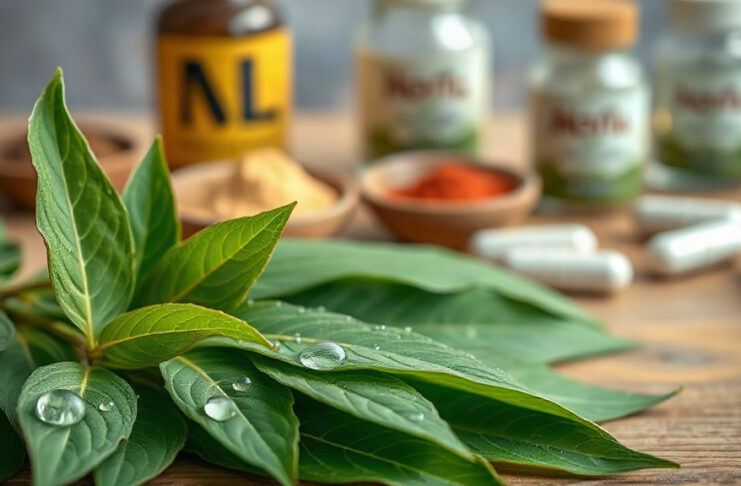
If you’ve added moringa leaf powder to your smoothies or started taking moringa supplements as a wellness boost, you may want to pause. The CDC has identified a growing cluster of Salmonella illnesses linked to moringa leaf products—a supplement many adults in midlife reach for because of its nutrient density and anti-inflammatory reputation. Unlike a dramatic foodborne illness outbreak from a single source, this one is quieter and more diffuse, making it harder to spot.
Here’s what you need to know to protect yourself.
How Salmonella Affects Your Body
Salmonella is a bacterium that lives in the intestines of infected animals and humans. When contaminated plant products like moringa leaves reach your digestive tract, the bacteria can breach the intestinal lining and trigger an inflammatory response. Symptoms typically appear within days, and while most adults recover without antibiotics, dehydration and systemic spread are real risks—especially if you have underlying health conditions.
- Salmonella colonizes the small intestine and triggers inflammation, causing diarrhea, abdominal cramping, and sometimes fever.
- The infection activates your immune system, which can lead to dehydration if fluid loss exceeds intake.
- Most cases are self-limited, but bacteremia (blood infection) can occur, particularly in immunocompromised individuals.
- Recovery typically takes 7–10 days without treatment, though some people shed the bacteria longer.
Why Your 40s Matter Here
Adults aged 35–45 occupy a middle ground: you’re old enough to have accumulated health vulnerabilities (diabetes, heart disease, autoimmune conditions) but still young enough to mount a robust immune response. The real risk isn’t age itself—it’s whether you have chronic conditions or medications that weaken immunity. Many people in this age range also take multiple supplements, increasing the chance of exposure to contaminated products.
- Chronic diseases common in midlife (diabetes, inflammatory bowel disease) can amplify Salmonella severity and recovery time.
- Immunosuppressant medications for autoimmune or post-transplant care increase risk of severe infection and complications.
- This age group is more likely to use supplements regularly, raising cumulative exposure risk.
- Recovery is usually faster than in adults over 65, but complications can still require hospitalization.
Signs You May Have Salmonella
- Diarrhea (sometimes bloody), abdominal cramps, and fever appearing 1–3 days after consuming moringa products.
- Nausea, vomiting, or loss of appetite lasting more than a few hours.
- Dehydration symptoms: dark urine, extreme thirst, dizziness, or rapid heartbeat.
- Persistent high fever (over 102°F) or bloody stools—seek immediate care.
- Symptoms lasting longer than 10 days or accompanied by joint pain, especially in knees or hips.
Protective Steps You Can Take
If you’ve been using moringa supplements, the immediate step is to stop and monitor for symptoms. Beyond that, focus on food safety practices that reduce your risk of any foodborne illness and support your immune system while your gut recovers. Storage, sourcing, and supplement hygiene matter more than most people realize.
- Discontinue moringa products immediately; don’t wait for symptoms to appear if you’ve consumed them recently.
- Check the brand and lot number against CDC recalls at cdc.gov; some products remain contaminated.
- Wash hands thoroughly after handling any supplements and before eating, especially if you live with children or elderly family members.
- Focus on whole foods for nutrition—moringa’s nutrients (iron, calcium, vitamin C) are readily available from leafy greens, legumes, and citrus.
Action Plan Checklist
- Review all moringa products in your home today; note the brand, lot number, and purchase date.
- Cross-reference your products against current CDC advisories and product recalls at cdc.gov.
- If you have symptoms, avoid dairy, high-fiber foods, and caffeine for 48 hours; focus on hydration with oral rehydration salts if possible.
- Contact your doctor if diarrhea or fever persists beyond 7 days, or if you develop bloody stools or severe dehydration.
- Report any suspected Salmonella illness to your local health department; outbreaks are tracked and used to identify contamination sources.
The Supplement Supply Chain Risk
Supplement sourcing is often overlooked in discussions of food safety. Unlike pharmaceuticals, dietary supplements face lighter FDA oversight, and contamination can occur anywhere from harvest to manufacturing to storage. Moringa’s popularity in online wellness communities has led to rapid market expansion—including products from suppliers with limited quality control.
Understanding where your supplements originate is as important as understanding what’s in them.
- Moringa is grown primarily in warm climates (India, Africa, Southeast Asia) where sanitation standards vary widely.
- Dried and powdered forms concentrate bacteria if water used during processing or drying is contaminated.
- Online marketplaces make it harder to trace products to specific manufacturers or recall batches quickly.
- Third-party testing (NSF, USP certification) isn’t mandatory but significantly reduces contamination risk—look for these marks before buying.
Bottom Line
Salmonella contamination in moringa leaf products is a real and growing concern, but it’s preventable with awareness and immediate action. Stop using moringa supplements now, check product lot numbers against CDC advisories, and monitor for symptoms over the next week. Most cases resolve on their own with rest and hydration, but if you develop severe symptoms or have underlying health conditions, seek medical attention promptly.
Your wellness routine should enhance your health, not undermine it—returning to whole-food sources of nutrition is a safer long-term choice.
Live Long Daily — always consult a qualified healthcare provider before making changes to your health routine.
Sources
- CDC Alert Update: Growing number of Salmonella illnesses and outbreaks linked to moringa leaf products — CDC — Online Newsroom
- Salmonella Infection: General Clinical Guidance — CDC
- Foodborne Illness and Dehydration — Mayo Clinic

