
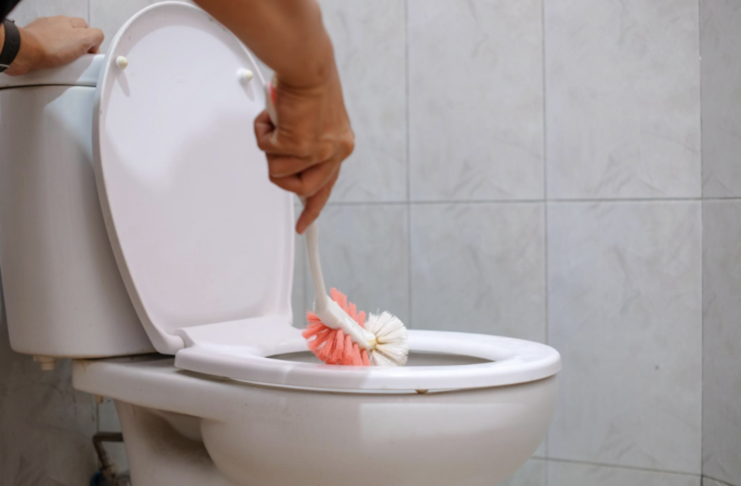
Hidden bacterial colonies on bathroom surfaces fuel recurring infections despite perfect hygiene
KEY STATISTICS
- 60% of recurring UTIs trace back to household bathroom contamination
- E. coli survives on toilet seats for up to 7 days without proper disinfection
- Women experience 50% more UTIs when sharing bathrooms with poor cleaning protocols
You clean religiously, drink cranberry juice, and follow every UTI prevention tip online. Yet the burning, urgent infections keep returning every few months, leaving you frustrated and searching for answers that traditional advice doesn’t provide.
How Bathroom Bacteria Cause UTIs
Urinary tract infections develop when harmful bacteria migrate from the rectum or external environment into the urethral opening, then multiply rapidly in the warm, moist urinary tract. E. coli accounts for 85% of uncomplicated UTIs, thriving in conditions where moisture and organic matter create ideal breeding grounds.
Bathroom surfaces harbor complex bacterial biofilms that standard cleaning often misses. These microscopic communities protect pathogenic bacteria from disinfectants, allowing them to survive on toilet seats, handles, and surrounding surfaces for days or weeks.
Each bathroom visit creates potential exposure through direct skin contact, contaminated toilet paper, or aerosolized particles from flushing. The bacteria don’t need direct genital contact—they can transfer via hands, clothing, or any surface that later touches the urethral area.
Why This Age Group Suffers
Adults in their thirties and forties face unique UTI risks due to hormonal fluctuations and lifestyle factors. Women experience declining estrogen levels that thin vaginal tissues, reducing natural bacterial defenses against invading pathogens.
Stress and busy schedules common in this age group compromise immune function while promoting behaviors that increase infection risk. Holding urine during long work meetings, inadequate hydration, and rushed bathroom hygiene create perfect conditions for bacterial growth.
Shared household bathrooms with partners, children, or roommates multiply exposure risks exponentially. Each additional bathroom user introduces new bacterial strains and increases surface contamination despite individual good hygiene practices.
UTI Warning Signs Checklist
- Burning sensation during urination that worsens over 24-48 hours
- Frequent urge to urinate with little actual output
- Cloudy, strong-smelling urine with possible blood traces
- Pelvic pressure or cramping that intensifies when sitting
- Low-grade fever combined with fatigue and general malaise
Bathroom Hygiene That Works
Proper bathroom surface disinfection requires targeting bacterial biofilms, not just visible dirt. Use EPA-approved disinfectants specifically labeled for E. coli elimination, allowing full contact time rather than immediate wiping.
Personal hygiene timing matters more than frequency—always urinate immediately after bowel movements to flush away any transferred bacteria. Front-to-back wiping prevents bacterial migration, but the sequence of bathroom activities creates additional risks.
Hydration strategies should focus on consistent intake rather than large volumes consumed sporadically. Maintaining steady urine flow helps flush bacteria before they can establish infections, while adequate fluid intake dilutes bacterial concentrations.
Daily UTI Prevention Protocol
- Disinfect toilet seats, handles, and surrounding surfaces daily with bleach-based cleaner
- Install personal toilet seat covers or sanitizing wipes for shared bathrooms
- Urinate within 30 minutes of any bowel movement to flush migrated bacteria
- Drink 8-10 oz water immediately after each bathroom visit
- Replace bathroom towels every 48 hours and wash in hot water with bleach
The Toilet Paper Factor
Toilet paper quality and storage location significantly impact UTI risk through bacterial contamination. Cheap, thin toilet paper breaks during use, allowing direct hand contact with contaminated surfaces and subsequent bacterial transfer.
Bathroom humidity creates ideal conditions for bacterial growth on toilet paper rolls stored near toilets or sinks. Moisture absorption turns toilet paper into a bacterial reservoir that recontaminates hands during each use.
Consider storing toilet paper outside the bathroom or in sealed containers to prevent humidity exposure. Premium, multi-ply toilet paper reduces breakthrough risk and provides better barrier protection during cleaning.
Bottom Line
Recurring UTIs often stem from bathroom surface contamination rather than personal hygiene failures. Daily disinfection of toilet surfaces, strategic bathroom habits, and proper toilet paper handling can break the cycle of reinfection that standard advice misses.
Always consult a qualified healthcare provider before making changes to your health routine.
Sources
- Bacterial biofilm formation on medical devices — JAMA Internal Medicine
- Environmental contamination and urinary tract infections — British Medical Journal
- Household surface bacteria and infection risk — American Journal of Infection Control

