
Introduction
Hydration plays a fundamental role in maintaining healthy, radiant skin. The skin relies on adequate water levels to maintain elasticity, support cellular repair, and protect its natural barrier. When hydration levels are balanced, skin often appears smoother, brighter, and more resilient.
Both internal hydration (drinking fluids) and external hydration (moisturizers and skincare products) contribute to maintaining skin health. Understanding how hydration affects the skin can help support a natural, healthy glow.
How Hydration Supports Skin Function
Water is essential for many processes that influence skin appearance and health. It helps maintain circulation, supports nutrient delivery to skin cells, and assists the body in regulating temperature.
According to the National Institutes of Health, water is essential for maintaining normal physiological functions including circulation and cellular activity.
Proper hydration may help:
Maintain skin elasticity
Support skin barrier function
Improve overall skin texture
Promote healthy circulation to skin tissues
These factors contribute to a more vibrant skin appearance.
Hydration and the Skin Barrier
The skin barrier protects against environmental stressors while preventing excessive moisture loss. When hydration levels are low, the barrier may become less effective.
The American Academy of Dermatology notes that maintaining skin moisture helps support the skin’s protective barrier.
A healthy barrier may help:
Reduce dryness and irritation
Maintain smoother skin texture
Protect against environmental damage
Support natural repair processes
Signs of Dehydrated Skin
Dehydrated skin can sometimes appear dull or tired. Common signs may include:
Dry or rough texture
Fine lines becoming more visible
Tight or uncomfortable skin
Reduced natural glow
These symptoms often improve when hydration and skin care habits are adjusted.
Hydrating the Skin from Within
Drinking adequate fluids helps support circulation and cellular hydration.
Helpful hydration habits include:
Drinking water consistently throughout the day
Increasing fluids during physical activity
Eating water‑rich foods such as fruits and vegetables
Limiting excessive caffeine or sugary drinks
The Centers for Disease Control and Prevention emphasizes water as a healthy choice for maintaining proper hydration.
Supporting Hydration with Skincare
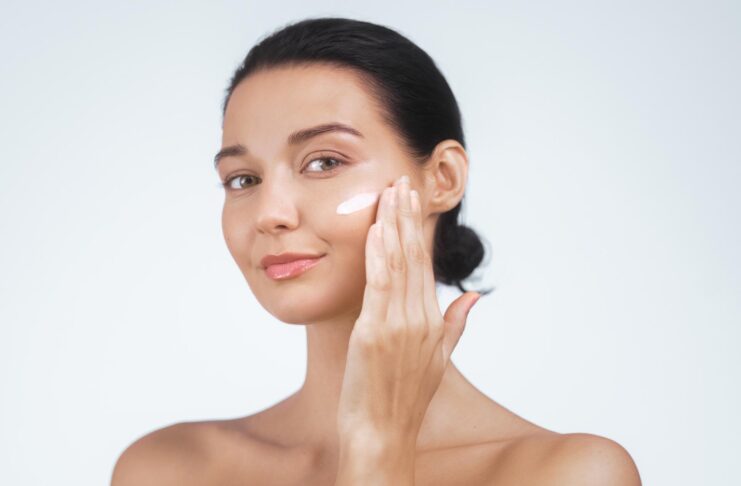
Topical skincare can also help maintain moisture balance.
Helpful practices include:
Using gentle cleansers that do not strip natural oils
Applying moisturizers that support the skin barrier
Avoiding overly hot showers
Using sunscreen to protect skin from UV damage
The Harvard Health Publishing explains that protecting the skin barrier helps maintain hydration and skin health.
Takeaway
Hydration is one of the simplest ways to support healthy, radiant skin. Adequate water intake, balanced nutrition, and supportive skincare habits all contribute to maintaining the skin’s moisture balance.
By combining internal hydration with gentle skin care and sun protection, it is possible to support smoother texture, improved elasticity, and a naturally vibrant complexion.

