
Introduction
The skin around the eyes is one of the most delicate areas of the face. As people move into their mid‑40s and beyond, changes in skin structure, hydration, and circulation can make under‑eye concerns more noticeable.
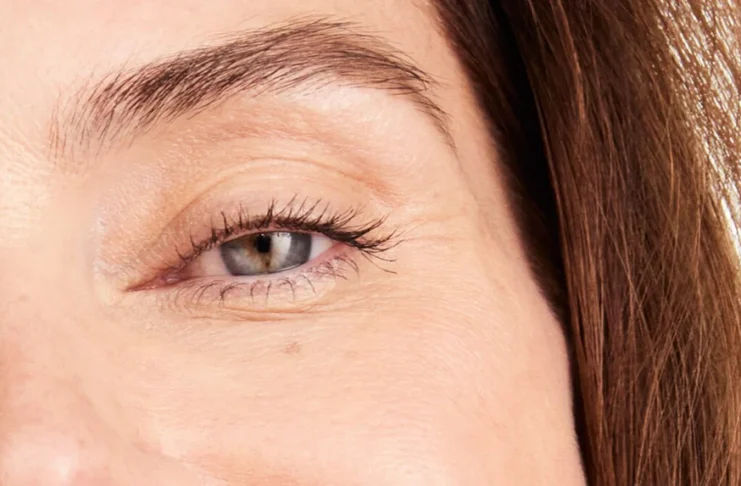
Common changes may include fine lines, puffiness, dark circles, or mild skin laxity. These changes are often influenced by natural aging processes, hormonal shifts, lifestyle habits, and environmental exposure.
Understanding why under‑eye changes occur can help support healthier skincare routines and overall skin wellness.
Thinner Skin and Collagen Loss
The skin around the eyes naturally becomes thinner with age. Collagen and elastin—proteins responsible for skin firmness and elasticity—gradually decline over time.
According to the National Institute on Aging, collagen production decreases as part of the natural aging process, which can contribute to fine lines and thinner skin.
As collagen levels decline, the under‑eye area may show:
Fine lines or wrinkles
Increased skin transparency
Slight sagging or looseness
These structural changes often become more noticeable after the mid‑40s.
Changes in Fat Distribution
The face contains small fat pads that help maintain a smooth and youthful appearance. Over time, these fat pads may shift or reduce in volume.
This can lead to:
Under‑eye hollows
More visible shadows
Increased appearance of dark circles
Facial structure and genetics also influence how these changes appear.
Reduced Skin Hydration
As the skin matures, natural oil production decreases. This can affect the skin’s ability to retain moisture, especially in thinner areas such as under the eyes.
The American Academy of Dermatology explains that aging skin tends to become drier due to reduced oil production.
Reduced hydration may cause:
More noticeable fine lines
Slight roughness or dryness
Reduced skin smoothness
Moisturizing ingredients can help support skin comfort.
Circulation and Dark Circles
Changes in circulation can also influence the appearance of the under‑eye area. Because the skin is thin, underlying blood vessels may become more visible.
This can contribute to:
Dark or bluish under‑eye circles
Puffiness or fluid retention
Tired appearance
Sleep quality, stress levels, and hydration may also influence these changes.
Lifestyle Factors That Affect the Under‑Eye Area
Several everyday habits can influence the appearance of under‑eye skin.
Helpful habits include:
Getting consistent sleep
Staying hydrated
Managing stress levels
Using daily sun protection
Maintaining balanced nutrition
The Harvard Health Publishing notes that lifestyle habits play an important role in maintaining healthy skin as it ages.
Takeaway
Under‑eye changes after age 45 are often linked to natural aging processes such as collagen loss, thinner skin, changes in facial structure, and reduced hydration. While these changes are a normal part of aging, consistent skincare habits and healthy lifestyle practices can help support skin comfort and appearance.
Gentle skincare, adequate hydration, sun protection, and balanced lifestyle habits can help maintain healthier‑looking under‑eye skin over time.

