
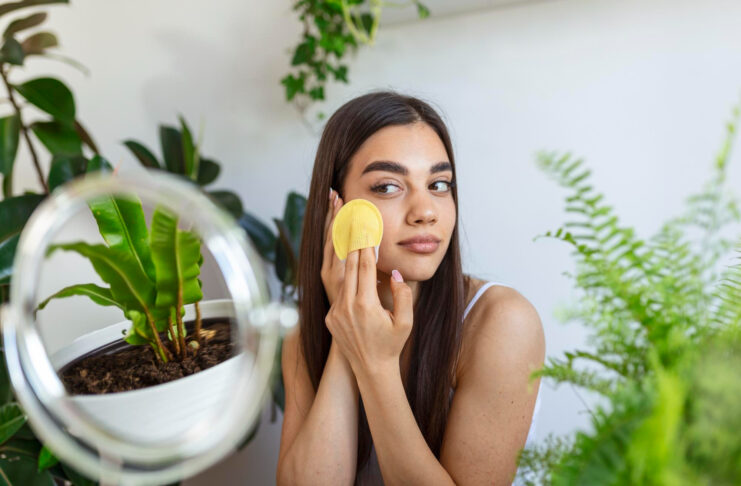
Introduction
Skin redness is a common concern that can appear due to irritation, dryness, environmental factors, or sensitive skin conditions. While occasional redness is normal, persistent redness may signal that the skin barrier is stressed or inflamed.
Gentle skincare habits, balanced nutrition, and protective lifestyle choices can help calm irritation and support healthier‑looking skin over time.
Common Causes of Skin Redness
Redness often occurs when blood vessels near the surface of the skin become dilated or when the skin barrier becomes irritated.
According to the American Academy of Dermatology, skin redness can result from environmental factors, sensitivity, allergic reactions, or inflammatory skin conditions.
Common triggers include:
Harsh skincare products
Sun exposure
Dry or cold weather
Over‑exfoliation
Stress and inflammation
Identifying and reducing these triggers can help calm the skin.
Strengthening the Skin Barrier
A healthy skin barrier helps reduce irritation and maintain moisture balance.
Helpful ingredients that support the barrier include:
Ceramides – help rebuild the protective barrier
Hyaluronic acid – improves hydration
Niacinamide – helps soothe and strengthen the skin
The Harvard Health Publishing notes that moisturizers play a key role in maintaining skin barrier health.
Consistent moisturizing can reduce dryness and irritation that contribute to redness.
Use Gentle Skincare Products
Sensitive or redness‑prone skin often benefits from a minimal skincare routine.
Helpful habits include:
Using fragrance‑free cleansers
Avoiding harsh exfoliants
Washing with lukewarm water
Applying soothing moisturizers
Simplifying skincare routines helps prevent unnecessary irritation.
Protect Skin from Sun Exposure
Ultraviolet (UV) radiation can worsen redness and inflammation in the skin.
The Centers for Disease Control and Prevention recommends daily sun protection to reduce skin damage.
Helpful protective habits include:
Using broad‑spectrum sunscreen (SPF 30 or higher)
Wearing hats or protective clothing
Limiting prolonged sun exposure
These steps help protect sensitive skin.
Anti‑Inflammatory Nutrition
Diet may also influence skin inflammation. Foods rich in antioxidants and healthy fats can support overall skin health.
Examples include:
Berries
Leafy green vegetables
Fatty fish rich in omega‑3 fatty acids
Nuts and seeds
The National Institutes of Health notes that antioxidant‑rich diets help support cellular health.
Balanced nutrition may help support skin resilience.
Lifestyle Habits That Calm Skin
Daily habits can influence skin sensitivity and redness.
Helpful practices include:
Staying hydrated
Managing stress levels
Getting adequate sleep
Avoiding excessive heat exposure
These habits support overall skin health and comfort.
Takeaway
Skin redness often results from irritation, environmental stress, or a weakened skin barrier. Supporting the skin with gentle skincare, proper hydration, balanced nutrition, and sun protection can help calm irritation and maintain healthier skin.
By focusing on soothing ingredients and simple daily habits, individuals can help reduce redness and support long‑term skin comfort.

