
Unveiling a Dietary Shift
In the ever-evolving world of nutrition, the spotlight is increasingly shining on an age-old yet revolutionary concept: plant-based proteins. As more individuals seek sustainable, health-conscious choices, plant-based diets are gaining momentum. But what exactly does this shift entail, and why are plant-based proteins becoming the focal point of dietary transformations? Let us delve into the science and benefits of these powerful protein sources that promise not only to revolutionize your plate but also your overall health.
The Science of Plant Proteins
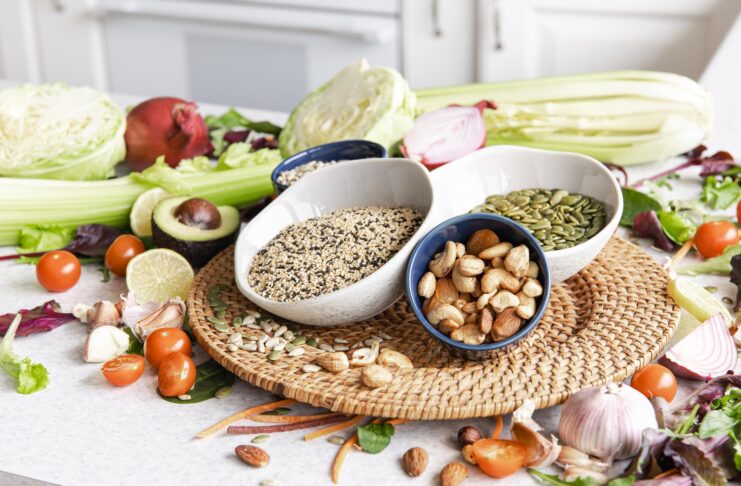
Plant-based proteins, derived from sources such as legumes, nuts, seeds, and whole grains, offer a diverse array of essential nutrients. Unlike their animal counterparts, plant proteins are typically lower in saturated fat and free from cholesterol, making them heart-friendly options. They also come packed with fiber, antioxidants, and phytochemicals that contribute to overall well-being. The amino acid profiles of plant proteins are varied, with soy, quinoa, and buckwheat being among the few that provide all nine essential amino acids, thus forming complete proteins. The integration of these proteins into your diet can lead to a multitude of health benefits, from improved digestion to enhanced muscle recovery.
Steps to Plant-Powered Meals
Transitioning to a plant-based protein-rich diet need not be daunting. Here are practical steps to seamlessly incorporate these proteins into your daily meals:
- Start with Familiar Foods: Incorporate plant proteins into meals you already enjoy, such as using lentils in your favorite soup or chickpeas in salads.
- Explore New Recipes: Embrace the diversity of plant proteins by experimenting with international cuisines, such as Indian dals or Middle Eastern falafel.
- Mix and Match Proteins: Combine different plant sources throughout the day to ensure a balanced intake of essential amino acids.
- Opt for Whole Foods: Whenever possible, choose whole, minimally processed plant proteins over highly processed alternatives.
- Plan Your Meals: Prepare a weekly meal plan that includes a variety of plant-based proteins to keep your diet both exciting and nutritious.
A Harmonious Synergy
The benefits of plant-based proteins extend beyond their nutritional profile. They align harmoniously with lifestyle practices that promote holistic health. For instance, plant proteins have a lower environmental impact compared to animal proteins, thus supporting sustainability. Additionally, diets rich in plant proteins are associated with reduced risks of chronic diseases such as obesity, type 2 diabetes, and certain cancers. By fostering a lifestyle that combines mindful eating with physical activity, stress management, and adequate sleep, you can amplify the positive effects of a plant-based diet.
Long-Term Health Rewards
Adopting a diet rich in plant-based proteins is not just a short-term dietary trend but a long-term investment in your health. Studies suggest that plant-based diets can lead to longevity, partly due to their role in maintaining a healthy weight and reducing the risk of metabolic and cardiovascular diseases. Moreover, the anti-inflammatory and antioxidant properties of plant foods can contribute to healthier aging, keeping your body and mind vibrant well into your later years. By revolutionizing your diet with plant-based proteins, you pave the way for a lifetime of wellness and vitality.
Embracing the Plant Power
In conclusion, the power of plant-based proteins lies in their ability to not just nourish the body but also to fortify it against diseases while promoting environmental sustainability. As you embark on this dietary revolution, remember that small, consistent changes can lead to significant health benefits. Embrace the variety and versatility of plant proteins, and watch as they transform your health and lifestyle.
Sources
Healthline: The Benefits of Plant-Based Protein
National Institutes of Health: Plant-Based Diets
Harvard T.H. Chan School of Public Health: Plant-Based Diets
Mayo Clinic: Vegetarian diet: How to get the best nutrition

