
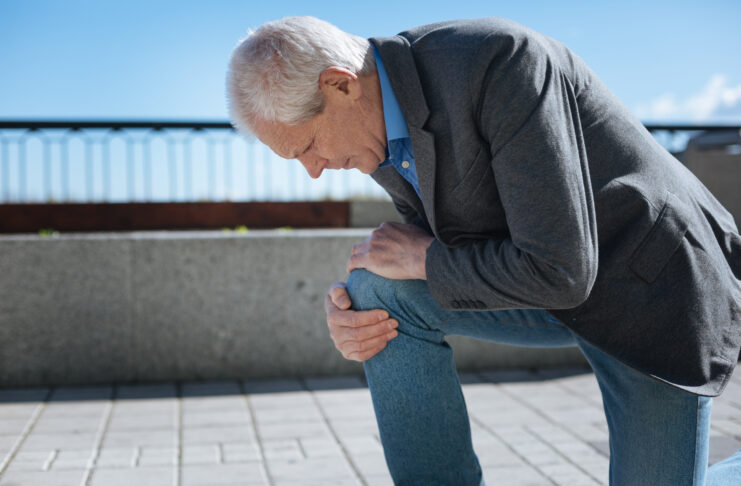
The surprising changes happening in your joints and what to do about them
KEY STATISTICS
- 80% of adults over 35 experience joint sounds during daily activities
- Cartilage begins thinning by 1-2% annually after age 30
- Women are 40% more likely to develop knee problems than men in midlife
You’re walking upstairs after a long day, and suddenly your knee announces itself with a sharp crack or grinding sound. If you’re over 35, this scenario probably sounds familiar. That creaking isn’t just annoying—it’s your body sending you an important message about changes happening inside your joints that you need to understand now, before they become bigger problems.
What’s Happening Inside Your Joints
When your knees creak, you’re hearing the sound of cartilage changes and synovial fluid shifts inside your joint. Cartilage, the smooth tissue that cushions your bones, starts to thin and lose its elasticity as early as your late twenties.
The synovial fluid that lubricates your joints becomes less viscous over time, creating more friction between moving parts. This process, called chondromalacia, affects the patellofemoral joint where your kneecap meets your thighbone.
As the cartilage surface becomes rougher, bones can rub against each other more directly, creating those distinctive sounds. The grinding sensation, known as crepitus, occurs when damaged cartilage creates an uneven surface that catches and releases as you move.
Why Midlife Hits Knees Hard
Adults in their mid-thirties hit a perfect storm of joint vulnerability. Your metabolism begins slowing down, making it harder to maintain the muscle mass that supports your knees. Collagen production decreases by about 1% each year after age 25, directly affecting cartilage quality.
Many people in this age group spend long hours sitting at desks, which weakens the quadriceps and glutes that stabilize the knee joint. Weight gain becomes more common due to hormonal changes and decreased activity levels, putting additional stress on already-compromised cartilage. Previous sports injuries from your twenties start catching up as the body’s repair mechanisms become less efficient.
Warning Signs to Watch For
- Grinding or clicking sounds when climbing stairs or standing from sitting
- Stiffness in the morning that takes more than 30 minutes to improve
- Knee pain that worsens after sitting for long periods
- Swelling around the kneecap, especially after activity
- Feeling like your knee might give out when walking on uneven surfaces
Proven Strategies That Work
The good news is that targeted lifestyle changes can significantly slow cartilage breakdown and reduce knee creaking. Low-impact exercises like swimming, cycling, and elliptical training maintain joint mobility without excessive stress. Strength training focused on your quadriceps, hamstrings, and glutes provides crucial knee support—aim for 2-3 sessions per week.
Weight management becomes critical since every pound of body weight translates to 4-6 pounds of pressure on your knees during walking. Anti-inflammatory foods rich in omega-3 fatty acids, antioxidants, and vitamin C help reduce joint inflammation. Proper footwear with adequate arch support and cushioning can dramatically reduce the impact forces traveling up to your knees. Maintaining flexibility through regular stretching keeps the muscles around your knees balanced and reduces abnormal pulling on the joint.
Your Knee Protection Action Plan
- Start a daily 10-minute knee strengthening routine focusing on wall sits and straight-leg raises
- Replace high-impact activities with swimming or cycling 3 times per week
- Lose 5-10 pounds if overweight to reduce joint pressure significantly
- Take 1000mg of glucosamine sulfate daily after consulting your doctor
- Schedule a movement assessment with a physical therapist to identify muscle imbalances
The Sleep Connection Nobody Mentions
Sleep quality plays a surprising role in joint health that most people overlook. During deep sleep, your body produces growth hormone and repairs damaged cartilage through increased blood flow to joints. Poor sleep increases inflammation markers like C-reactive protein, which can accelerate cartilage breakdown.
Adults who consistently get less than 7 hours of sleep show higher rates of joint problems and slower recovery from exercise. Creating a cool, dark sleeping environment and maintaining consistent bedtime routines can improve the restorative processes your knees desperately need. Consider this: your knees do their most important repair work while you’re unconscious, making quality sleep as important as any exercise routine for long-term joint health.
Bottom Line
Knee creaking after 35 is your body’s early warning system about cartilage changes that require attention now. The combination of targeted strengthening exercises, weight management, and proper sleep can significantly slow joint deterioration and keep you moving pain-free for decades to come.
Always consult a qualified healthcare provider before making changes to your health routine.
Sources
- Age-related changes in articular cartilage — Journal of Bone and Joint Surgery
- Exercise therapy for chronic low back pain — Cochrane Database of Systematic Reviews
- Sleep disturbances and musculoskeletal pain — BMJ Open
- Weight loss reduces knee-joint loads in overweight and obese older adults — Arthritis & Rheumatism
- Glucosamine sulfate use and delay of progression of knee osteoarthritis — Archives of Internal Medicine

