
Prescription-strength retinoids can actually repair cellular damage accumulated in your twenties and thirties
KEY STATISTICS
- Tretinoin increases collagen production by 80% within 24 weeks of consistent use
- UV damage from your twenties accounts for 85% of visible aging by age 40
- Prescription retinoids can reverse up to 15 years of photodamage when used correctly
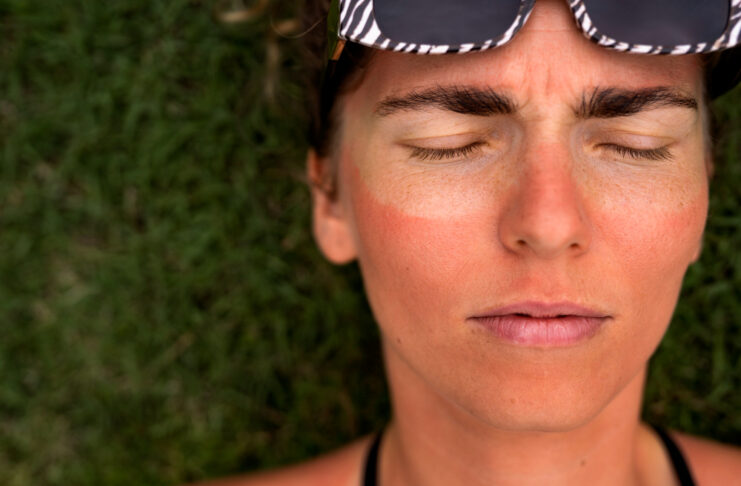
That brown spot on your cheek didn’t appear overnight—it’s been building since that spring break in Cancun fifteen years ago. While you can’t undo the past, prescription-strength retinoids can actually reverse cellular damage that’s been accumulating for decades. The key is understanding how these powerful compounds work at the DNA level to rebuild what sun exposure destroyed.
How Retinoids Repair Damage
Retinoids work by binding to specific nuclear receptors in skin cells, triggering a cascade of genetic changes that reverse photodamage. When UV rays hit your skin, they create reactive oxygen species that break down collagen, alter DNA, and cause melanocytes to produce irregular pigment deposits.
Tretinoin, the gold standard prescription retinoid, forces damaged skin cells to turnover faster while stimulating fibroblasts to produce new collagen. This process literally rebuilds the cellular architecture that UV exposure dismantled. Studies show tretinoin can increase epidermal thickness by 25% and dermal collagen by up to 80% within six months of use.
Why This Decade Matters
Your thirties and forties represent a critical window where cumulative sun damage becomes visible, but cellular repair mechanisms are still robust enough to respond to retinoid intervention. Unlike younger skin that bounces back naturally, mature skin needs pharmaceutical intervention to kickstart the repair process.
By age 35, your natural cell turnover rate has slowed from 28 days to 45-60 days, allowing damaged cells to linger longer on the surface. This is why that uneven pigmentation and rough texture suddenly seems more pronounced. The good news is that retinoids can restore normal cell turnover and even accelerate it beyond youthful levels.
Signs Damage Is Accelerating
- Brown spots or patches that have darkened or multiplied over the past few years
- Rough, uneven skin texture that feels bumpy or sandpaper-like to touch
- Fine lines around eyes and mouth that are deeper than they were five years ago
- Loss of skin firmness or elasticity, especially on the neck and jawline
- Persistent redness or broken capillaries that don’t fade with gentle skincare
Making Retinoids Work Safely
Starting with a low-concentration tretinoin (0.025%) three times per week prevents the severe irritation that causes most people to quit. Your dermatologist can prescribe this, and most insurance plans cover it when coded for acne rather than anti-aging.
Daily sunscreen with zinc oxide or titanium dioxide is non-negotiable when using retinoids, as your skin becomes more photosensitive. Apply retinoid only at night, and always follow with a rich moisturizer to prevent excessive dryness.
The “retinoid sandwich” method—moisturizer, then retinoid, then more moisturizer—minimizes irritation while maintaining effectiveness. Expect 12-16 weeks before seeing significant improvement, and avoid other active ingredients like vitamin C or AHAs during the adjustment period.
Your Retinoid Action Plan
- Schedule a dermatology consultation to get prescription tretinoin (0.025% to start)
- Establish a nightly routine: gentle cleanser, moisturizer, tretinoin, then occlusive moisturizer
- Use broad-spectrum SPF 30+ with zinc oxide every single day, rain or shine
- Take monthly progress photos in consistent lighting to track improvement over time
- Gradually increase frequency from 3x/week to nightly over 8-12 weeks as tolerance builds
Surviving The Adjustment Period
The biggest mistake people make with retinoids is inconsistent use due to initial irritation, which can be severe for the first 6-8 weeks. This “retinoid uglies” phase includes peeling, redness, and temporary worsening of pigmentation as damaged cells purge to the surface.
Many dermatologists recommend starting retinoids in fall or winter when sun exposure is naturally lower. The key is pushing through this adjustment period, as the dramatic improvements only become apparent after month three of consistent use.
Bottom Line
Prescription retinoids like tretinoin can genuinely reverse years of sun damage by rebuilding collagen and normalizing cellular function at the genetic level. The investment in dermatologist consultation and the 3-4 month adjustment period pays off with visibly younger skin that continues improving with long-term use. Start low, go slow, and protect religiously with sunscreen.
Always consult a qualified healthcare provider before making changes to your health routine.
Sources
- Topical Tretinoin for Photoaged Skin — JAMA Dermatology
- Retinoids in the Treatment of Skin Aging — Mayo Clinic Proceedings
- Molecular Mechanisms of Photoaging and Chronological Skin Aging — Journal of Investigative Dermatology

