
Strategic meal timing reverses metabolic damage faster than calorie restriction alone.
KEY STATISTICS
- Adults who fast 14-16 hours daily show 31% better insulin sensitivity within 8 weeks
- Metabolic syndrome affects 34% of Americans aged 35-44, up from 16% in 1988
- Time-restricted eating improves glucose control even without weight loss in 73% of participants
Your blood sugar spikes higher after the same meal at 40 than it did at 25, even if your weight hasn’t changed. This isn’t about willpower or portion sizes—your cells are literally becoming resistant to insulin’s signals. The solution isn’t eating less food, but eating within a smaller time window.
How Fasting Resets Metabolism
Insulin resistance develops when your cells stop responding efficiently to insulin, forcing your pancreas to produce more to achieve the same glucose uptake. This creates a vicious cycle where constantly elevated insulin levels make cells even less responsive.
Time-restricted eating works by giving insulin levels extended periods to drop to baseline. During fasting windows, your body shifts from glucose burning to fat burning, a metabolic state called ketosis that naturally improves insulin sensitivity.
Research shows that even without calorie restriction, limiting food intake to specific hours triggers cellular repair processes called autophagy. These processes clear out damaged cellular components that contribute to insulin resistance.
Why Resistance Develops Now
After age 35, muscle mass naturally declines by 3-8% per decade, reducing your body’s largest glucose storage site. Less muscle means glucose has fewer places to go, leading to higher blood sugar levels and increased insulin demand.
Hormonal changes in your late thirties and forties—including declining growth hormone and rising cortisol—make your body more prone to storing fat around organs. This visceral fat actively releases inflammatory compounds that block insulin signaling.
Decades of processed food consumption create cellular damage that accumulates over time. Your mitochondria, the cellular powerhouses that process glucose, become less efficient, requiring more insulin to achieve the same energy production.
Early Insulin Resistance Signs
- Energy crashes 2-3 hours after meals, especially carb-heavy ones
- Persistent cravings for sweets or refined carbs throughout the day
- Difficulty losing weight despite reducing calories or increasing exercise
- Brain fog or difficulty concentrating, particularly in the afternoon
- Increased belly fat or “apple-shaped” weight distribution
Optimal Fasting Window Strategy
Start with a 12-hour eating window, such as 8 AM to 8 PM, before progressing to 14 or 16 hours of fasting. This gradual approach prevents the metabolic shock that can worsen insulin resistance initially.
Focus your eating window earlier in the day when insulin sensitivity is naturally higher. Research shows eating the same meal at 8 AM versus 8 PM produces significantly different glucose responses, with morning meals causing smaller spikes.
Break your fast with protein and healthy fats rather than carbohydrates. This prevents the dramatic insulin surge that can occur when you introduce food after an extended fast, maintaining the metabolic benefits you’ve built up overnight.
Stay hydrated during fasting windows with water, black coffee, or plain tea. These beverages don’t trigger insulin release and can actually enhance the fat-burning state that improves insulin sensitivity.
Your Fasting Implementation Plan
- Track your current eating pattern for 3 days to identify your natural feeding window
- Choose a consistent 12-hour eating window that aligns with your schedule and stick to it for 2 weeks
- Gradually extend fasting time by 1 hour every week until reaching 14-16 hours
- Plan your first meal with 20-30g protein and minimal refined carbohydrates
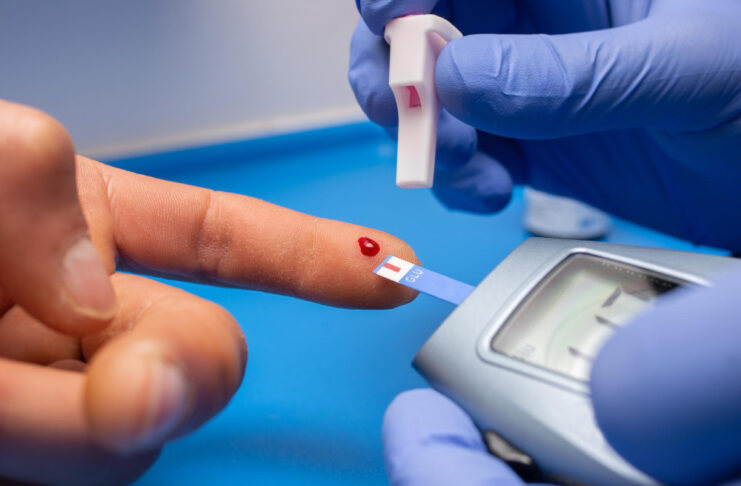
- Monitor energy levels and glucose responses if you have a home meter
Sleep’s Hidden Metabolic Impact
Sleep quality dramatically impacts insulin sensitivity, yet most people ignore this connection when focusing on fasting schedules. Poor sleep increases cortisol and disrupts hormones that regulate glucose metabolism, potentially negating fasting benefits.
Align your eating window to end 3-4 hours before bedtime to optimize both sleep and metabolic health. Late-night eating elevates body temperature and blood sugar when they should naturally decline for restorative sleep.
Consider that stress can break a fast metabolically even without food consumption. Chronic stress triggers cortisol release that promotes glucose production, essentially ending the fasted state regardless of when you last ate.
Bottom Line
Time-restricted eating offers a practical approach to reversing insulin resistance without complex meal planning or calorie counting. The key is consistency with your eating window and gradual progression to longer fasting periods. Most people see improvements in energy and glucose control within 2-4 weeks of implementing a structured eating schedule.
Always consult a qualified healthcare provider before making changes to your health routine.
Sources
- Time-restricted feeding and risk of metabolic disease — JAMA Internal Medicine
- Effects of intermittent fasting on glucose homeostasis — New England Journal of Medicine
- Circadian rhythms and insulin sensitivity in humans — BMJ
- Time-restricted eating without weight loss improves insulin resistance — Harvard Health Publishing

