
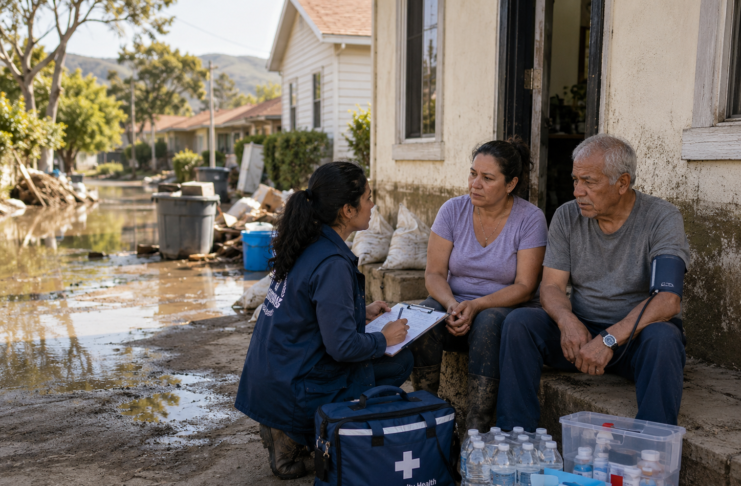
New research reveals how extreme flooding increases deaths from injuries, infections, and chronic disease — and why your 40s are a vulnerable window.
KEY STATISTICS
- Large floods are associated with increased mortality from multiple causes including injuries, infections, and cardiovascular and respiratory disease.
- Adults aged 35–45 face compounded risk from flood exposure due to pre-existing chronic conditions and delayed recovery patterns.
- Deaths from flood-related causes can persist for months after the water recedes, not just during the immediate event.
When a major flood hits, most people think about immediate dangers — rising water, swept-away homes, emergency rescues. What they don’t see is the slower, quieter crisis unfolding in hospitals and homes over the weeks and months that follow. A comprehensive study led by researchers at Columbia University’s Mailman School of Public Health found that large floods don’t just claim lives during the storm; they trigger a cascade of deaths from injuries, infections, heart attacks, strokes, and respiratory complications that ripple through affected communities long after the waters recede.
If you’re in your 40s and live in a flood-prone region, understanding this risk isn’t about fear — it’s about knowing what your body faces and how to prepare.
How Floods Damage Health Beyond Water
When a flood overwhelms a region, the body encounters compounded stressors simultaneously: physical trauma, waterborne pathogens, displacement stress, interrupted medical care, and environmental toxins. The research published in Nature Medicine tracked mortality patterns across multiple U. S.
flood events and identified a clear signal: deaths spike not just from drowning or acute injury, but from secondary causes that take weeks to emerge.
- Injury and trauma — both direct (crushing, drowning) and indirect (accidents during evacuation, delayed emergency response) — represent the most immediate mortality spike.
- Infectious disease increases dramatically when flooding contaminates water supplies, disrupts sanitation, and forces people into crowded shelters with limited hygiene.
- Cardiovascular and respiratory deaths rise as stress hormones spike, medication access is interrupted, and air quality degrades from mold, debris, and water damage.
- Exacerbation of chronic disease occurs when diabetics, hypertensives, and those with lung disease lose access to medications, monitoring, and routine care during evacuation.
Why Your 40s Are a Critical Window
Adults in their 40s occupy a specific vulnerability window: old enough to carry underlying hypertension, prediabetes, or mild heart disease that they may not fully recognize, yet active enough to underestimate their physical limits during crisis response. This age group is also often responsible for caring for aging parents or children, which increases stress exposure and diverts resources from their own health management.
- Pre-existing chronic conditions (high blood pressure, metabolic syndrome, early-stage heart disease) are common but often undiagnosed in this age group, amplifying flood-related mortality risk.
- Delayed recovery — adults 40+ show slower physiological bounce-back from stress, infection, and trauma compared to younger cohorts, extending vulnerability window.
- Caregiver burden intensifies during floods; managing family evacuation and reunion while dealing with personal health needs increases stress-hormone load and medical complications.
- Medication interruption hits hardest in this age group, where daily prescriptions for blood pressure, cholesterol, or thyroid conditions are often supply-dependent.
Warning Signs to Watch After Exposure
- Chest pain, shortness of breath, or irregular heartbeat appearing days to weeks after flood exposure or evacuation stress.
- Fever, persistent cough, or respiratory symptoms following water exposure or shelter stays (sign of waterborne infection or mold inhalation).
- Uncontrolled blood sugar, blood pressure spikes, or inability to manage chronic condition medications — immediate sign of decompensation.
- Skin infections, wounds that won’t heal, or signs of infection from contaminated floodwater exposure.
- Severe fatigue, difficulty concentrating, or emotional distress lasting beyond the immediate crisis (stress-related immune suppression).
- Gastrointestinal illness (nausea, diarrhea, abdominal pain) — often delayed indicator of waterborne pathogen exposure.
- Swelling of legs or feet, unexplained weight gain, or shortness of breath worsening over time (possible heart or kidney stress).
Practical Steps to Reduce Your Risk
Preparation and recovery aren’t just about sandbags and evacuation routes — they’re about stabilizing your baseline health before flood season arrives and protecting your health systems during and after exposure. The research underscores that medical interruption is a major driver of flood-related deaths, making proactive medication and health management non-negotiable.
- Ensure all chronic medications are current and stocked: maintain at least a 30-day supply at home and a portable 7-day emergency supply in your evacuation kit.
- Get a pre-flood health baseline: blood pressure check, blood work if you have metabolic concerns, and clear written records of your medications and dosages to carry during evacuation.
- Plan shelter logistics before a flood occurs — identify pet-friendly shelters, oxygen or medical equipment access, and locations near pharmacies to minimize care interruption.
- Reduce physical exertion during the crisis window — avoid heroic cleanup efforts in the first weeks; overexertion during stress and immune suppression increases cardiac and infection risk.
Action Plan Checklist
- ✓ Create and laminate a personal health card listing your medications, dosages, allergies, chronic conditions, and emergency contacts; keep it in your wallet and evacuation kit.
- ✓ Schedule a check-up with your primary care provider before flood season; discuss your individual risk factors and ensure chronic medications are optimized.
- ✓ Build a 30-day emergency medication supply (do not wait until a flood warning to ask your pharmacy for refills).
- ✓ Identify your nearest emergency clinic or hospital in multiple regions (your evacuation may take you outside your usual care network).
- ✓ After a flood, schedule a post-exposure health check within 2–4 weeks, even if you feel fine — screen for delayed infections, blood pressure changes, and chronic disease flare-ups.
- ✓ If you have elderly parents or dependents relying on you, develop a separate crisis care plan so their health needs don’t derail your own recovery.
Sleep Loss Amplifies Flood Health Risk
One overlooked factor in flood mortality is sleep disruption and its cascade effects on immune and cardiovascular function. Evacuation, stress, and temporary housing create chronic sleep deprivation at exactly the moment your body needs recovery most. Poor sleep after trauma weakens infection-fighting capacity, raises cortisol, and increases blood pressure — all compounding flood-related health risks.
- Stress insomnia after floods suppresses immune function for weeks, making respiratory and waterborne infections more likely to take hold.
- Sleep deprivation raises blood pressure and increases cardiovascular event risk — particularly dangerous in a body already stressed by flood exposure and medication interruption.
- Temporary housing (shelters, hotels, relatives’ homes) creates unfamiliar sleep environments; prioritize sleep hygiene in evacuation planning as seriously as food and water.
- If sleep remains disrupted beyond 2–3 weeks post-flood, consult your doctor — persistent insomnia is a risk marker for delayed complications and warrants intervention.
Bottom Line
Floods don’t end when the water recedes. For adults in their 40s, the real health crisis often unfolds over weeks and months as injuries become infected, chronic conditions destabilize, and stress-related cardiovascular events emerge. The research from Columbia’s Mailman School of Public Health is clear: preparation and continuity of medical care are life-or-death priorities.
Stock your medications, know your baseline health status, and plan for access to care *before* flood season arrives. After exposure, treat a health check-up as mandatory, not optional — what feels like normal post-disaster fatigue could be an early warning sign of a serious complication.
Live Long Daily — always consult a qualified healthcare provider before making changes to your health routine.
Sources
- Floods Linked to Rise in U.S. Deaths From Several Major Causes — Columbia University Mailman School of Public Health / NIH NIEHS
- General guidance on disaster preparedness and health — CDC
- Chronic disease management during emergencies — Mayo Clinic

