
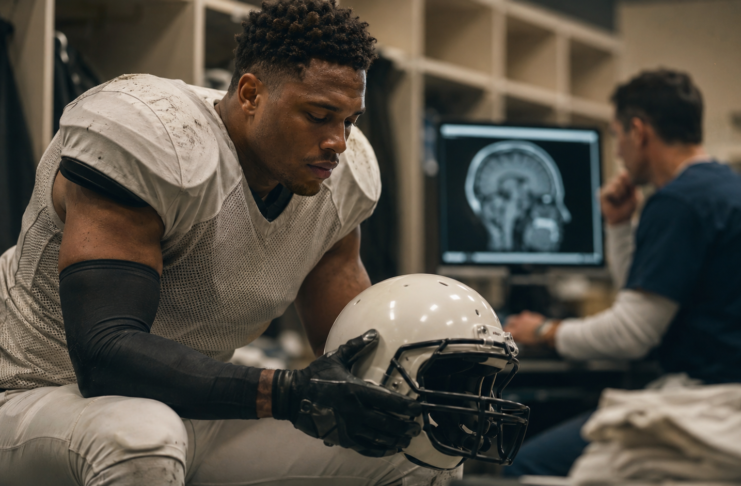
Understanding brain health in soccer players
KEY STATISTICS
- Professional footballers show 22% higher risk of cognitive impairment.
- Chronic exposure to head impacts may lead to neurodegenerative diseases.
- Only 15% of players undergo cognitive assessments regularly.
As the world watches the excitement of professional football, behind the scenes lies a pressing concern: brain health. Players face unique risks that may not only affect their careers but also their long-term health and wellbeing.
The science of head impacts
The brain health of football players is influenced by physical impacts and unique environmental stressors. Studies highlight mechanisms through which these factors can affect cognitive function.
- Repeated heading of the ball poses risks of chronic traumatic encephalopathy.
- Cognitive decline can be linked to repetitive mild traumatic brain injuries.
- Neuroinflammation is a common response to head trauma.
Age-related vulnerability in football
Players in their 30s and 40s are particularly vulnerable as their cognitive reserves may already be diminished. This age group often faces compounded risks due to the cumulative effects of head injuries.
- Cognitive decline accelerates with age, affecting functional performance.
- Increased likelihood of chronic injuries complicates recovery.
- Mid-40s is a pivotal age for cognitive assessments.
Watch for these warning signs
- Frequent headaches or migraines
- Memory lapses during gameplay
- Difficulty concentrating on tasks
- Episodes of dizziness or disorientation
- Notable changes in mood, such as irritability
Nutrition and exercise benefits
Diet, exercise, and mindfulness techniques can significantly enhance brain health. Professional players can adopt these strategies to maintain optimal cognitive function.
- Omega-3 fatty acids from fish can help support brain health.
- Regular cardiovascular exercise boosts cognitive functions.
- Mindfulness practices can reduce stress and enhance focus.
Action plan for players
- Schedule annual cognitive assessments.
- Incorporate brain-healthy foods into your diet.
- Practice regular physical exercise focused on balance and coordination.
- Engage in mindfulness or meditation routines.
- Monitor and address any subconscious signs of injury.
Prioritizing quality sleep
Sleep plays a crucial role in brain recovery and health. Maintaining a regular sleep schedule can improve concentration and cognitive resilience, especially after games.
- Aim for 7-9 hours of sleep each night.
- Establish a calming bedtime routine to enhance sleep quality.
- Limit screen time before bed to improve rest.
Bottom Line
The mental health of professional football players must not be overlooked. By instituting proactive measures and understanding risks, players can better protect their cognitive health well into their later careers.
Live Long Daily — always consult a qualified healthcare provider before making changes to your health routine.
Sources
- Football and brain health — Frontiers in sports and active living

