
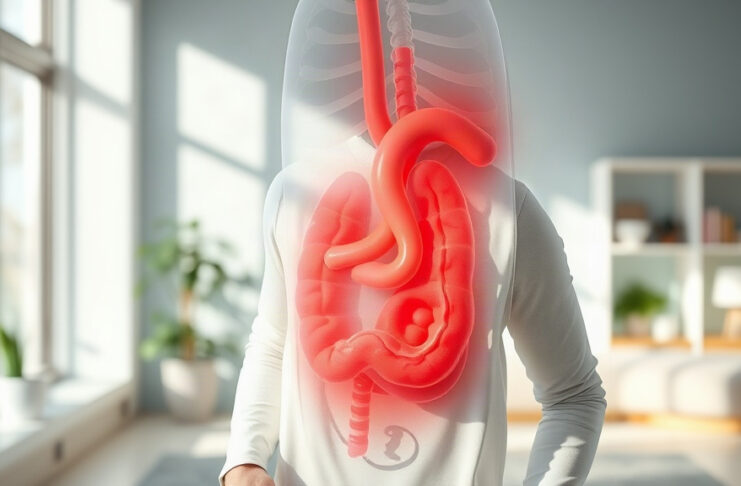
Understanding the silent threat of abdominal aortic aneurysms and how to navigate daily life with awareness and action.
KEY STATISTICS
- Approximately 1.5% of men over the age of 65 have an abdominal aortic aneurysm, with a higher risk in those with a history of smoking.
- Studies indicate that the risk of rupture increases significantly when an aneurysm reaches 5.5 cm in diameter, with a mortality rate of 80-90% if ruptured.
- Nearly 50% of people with an abdominal aortic aneurysm experience no symptoms until it becomes life-threatening.
Imagine waking up one day, feeling perfectly fine, yet carrying a silent threat within your body—a ticking time bomb that you never knew existed. For many adults in their late 30s and 40s, the abdominal aortic aneurysm (AAA) remains an invisible adversary, often undetected until it escalates into a medical emergency.
Understanding how to manage your abdominal aortic aneurysm is not just about awareness; it’s a crucial aspect of maintaining your overall health and longevity. This article delves into the mechanisms of AAAs, their implications for your body, and practical strategies for integrating management into your daily life, ensuring you remain proactive in safeguarding your health.
How This Affects Your Body and Biology
An abdominal aortic aneurysm occurs when a section of the aorta, the major blood vessel supplying blood to the body, weakens and bulges. This enlargement can arise from a combination of risk factors, including high blood pressure, high cholesterol, and atherosclerosis. As the wall of the aorta weakens, it becomes susceptible to further damage, leading to an increased risk of rupture, which can be fatal.
The biological mechanisms involve complex interactions between vascular smooth muscle cells and the extracellular matrix, which provide structural integrity to the vessel wall. When this balance is disrupted, the wall may dilate, leading to aneurysm formation.
At the cellular level, inflammation plays a pivotal role in AAA development. Chronic inflammation can weaken the aortic wall, as immune cells infiltrate and release enzymes that degrade collagen and elastin—key proteins that maintain the aorta’s strength and elasticity. Over time, this degradation allows the aorta to expand uncontrollably.
Furthermore, genetic factors may predispose certain individuals to a higher risk of developing AAAs, with studies indicating a significant familial link in their occurrence.
- AAAs often develop silently, making awareness crucial for early detection.
- Inflammation and oxidative stress are key contributors to the weakening of the aortic wall.
- Genetic predisposition can increase an individual’s risk of developing an AAA.
- Routine imaging tests can help identify AAAs before they become symptomatic.
Why Adults in Their 30s and 40s Face Unique Vulnerabilities
Adults in their 30s and 40s may not recognize that they are at risk for abdominal aortic aneurysms, as these conditions are more prevalent in older populations. However, lifestyle factors prevalent during these decades, such as smoking, sedentary behavior, and poor dietary choices, can significantly contribute to the risk. Moreover, this age group often experiences hormonal changes that can affect vascular health, leading to increased blood pressure and artery stiffness, both of which are critical factors in the development of AAAs.
The metabolic changes that occur during this stage of life can also exacerbate existing health issues. For instance, weight gain and the onset of metabolic syndrome can lead to elevated cholesterol and triglycerides, further compounding the risk. Younger adults often overlook preventive health measures, focusing instead on immediate responsibilities and stressors, which can lead to neglecting regular health screenings and lifestyle modifications that could mitigate risk.
- Smoking significantly increases the risk of AAA, with smokers being up to 15 times more likely to develop one.
- Sedentary lifestyles contribute to obesity and hypertension, both of which are risk factors for AAAs.
- Metabolic syndrome, characterized by insulin resistance and abnormal lipid profiles, heightens the risk for vascular diseases.
Warning Signs and Early Symptoms to Watch For
- Sudden, severe abdominal or back pain, often described as a tearing sensation, could indicate a ruptured aneurysm.
- A noticeable pulsating mass in the abdomen may indicate an aneurysm that has reached a significant size.
- Pain that radiates to the groin, buttocks, or legs can suggest the presence of an AAA.
- Feeling faint or lightheaded, particularly after physical exertion, can be a sign of internal bleeding.
- Nausea and vomiting can accompany severe abdominal pain, especially if an aneurysm is present.
- Rapid heartbeat or changes in blood pressure may occur if an aneurysm is in distress.
Evidence-Based Diet and Lifestyle Strategies That Work
Managing an abdominal aortic aneurysm requires a multifaceted approach that encompasses dietary and lifestyle changes. Incorporating a heart-healthy diet rich in fruits, vegetables, whole grains, and omega-3 fatty acids can help maintain vascular integrity and lower inflammation. Foods such as fatty fish, nuts, and seeds provide essential nutrients that support the health of blood vessels and reduce the risk of atherosclerosis.
Moreover, limiting processed foods, sugars, and trans fats is vital in reducing overall cardiovascular risk.
Physical activity is equally important; regular exercise can improve cardiovascular health, lower blood pressure, and aid in weight management. Engaging in aerobic activities, such as walking, cycling, or swimming, not only promotes heart health but also enhances overall well-being. Additionally, managing stress through relaxation techniques, mindfulness, or yoga can help lower cortisol levels, which in turn can positively influence vascular health by reducing inflammation and improving circulation.
- Adopt a Mediterranean diet rich in fruits, vegetables, whole grains, and healthy fats.
- Incorporate regular aerobic exercise to maintain cardiovascular health and manage weight.
- Limit sodium and processed sugars to reduce hypertension risks.
- Focus on whole foods and healthy fats like olive oil and avocados.
Your Daily Action Plan Checklist
- Schedule regular screenings for AAA, especially if you have risk factors.
- Maintain a balanced diet rich in antioxidants and omega-3 fatty acids.
- Engage in at least 150 minutes of moderate aerobic exercise each week.
- Avoid smoking and minimize alcohol consumption.
- Practice stress management techniques such as meditation or deep breathing.
- Monitor your blood pressure and cholesterol levels regularly.
The Overlooked Role of Sleep, Stress, and Systemic Health
Sleep quality and quantity play a crucial role in overall cardiovascular health, including the management of AAAs. Poor sleep can exacerbate stress responses, leading to elevated cortisol levels, which can negatively impact vascular health. Chronic stress, on the other hand, has been shown to promote inflammation and alter blood flow, further increasing the risk of aneurysm growth and rupture.
Therefore, prioritizing restorative sleep and effective stress management is essential for maintaining a healthy vascular system.
Moreover, systemic health factors such as diabetes and hypertension should be routinely monitored and managed. Each of these conditions can have a synergistic effect on the development of AAAs, and addressing them holistically can enhance overall well-being. Engaging with healthcare providers to develop a comprehensive health plan that includes regular evaluations and lifestyle interventions is vital for mitigating risks associated with AAAs.
- Quality sleep enhances recovery and reduces systemic inflammation.
- Chronic stress contributes to vascular damage and must be actively managed.
- Regular health check-ups can catch systemic issues before they worsen.
Bottom Line
Living with the awareness of an abdominal aortic aneurysm may seem daunting, but by making proactive health choices, you can significantly reduce your risk and improve your quality of life. Embracing a heart-healthy diet, engaging in regular physical activity, and managing stress are foundational strategies that empower you to take control of your health. Remember, awareness is your first line of defense, and establishing a robust support system with healthcare professionals can help guide you on this journey to longevity and wellness.
Live Long Daily — always consult a qualified healthcare provider before making changes to your health routine.
Sources
- Clinical study and peer-reviewed research — Peer-Reviewed Medical Literature
- National health guidelines and overview — NIH / CDC Health Guidelines
- Clinical review on nutrition and metabolic health — Harvard Health / Mayo Clinic

