
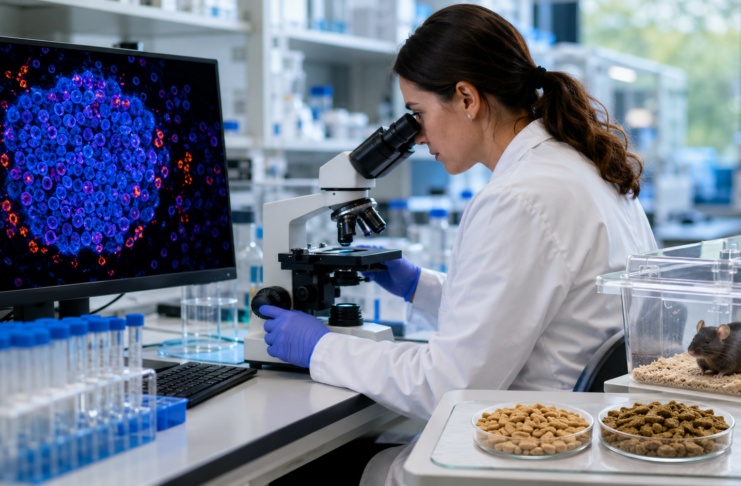
How microbial metabolites influence aging
KEY STATISTICS
- Microbial metabolites affect brain aging.
- Dietary choices shape microbial health.
- Precision nutrition can optimize your brain.
As we age, the conversation surrounding brain health becomes increasingly critical. Microbial phenolic metabolites have emerged as a key player in this dialogue, potentially impacting cognitive function and overall brain aging. Understanding this intersection between diet and brain health may offer practical insights into enhancing longevity and quality of life.
Microbial Metabolites and Brain Health
Emerging research highlights the complex role of microbial phenolic metabolites at the neurovascular interface. These compounds can influence not just the gut microbiome but also brain health profoundly.
- Phenolic metabolites are derived from dietary polyphenols.
- They interact with the gut-brain axis, influencing neuroinflammation.
- These compounds can modulate neurotransmitter activity.
- Potentially protective against age-related cognitive decline.
Age-Related Cognitive Risks
Adults aged 35 to 45 may face unique risks as they transition into midlife, where cognitive health can start to decline. Understanding how microbial metabolites interact with age-related changes is vital for preventative strategies.
- Midlife is a critical period for cognitive health.
- Neurovascular changes begin affecting brain function.
- Lifestyle factors increasingly influence gut microbiota.
- Increased inflammation can affect mental clarity.
Cognitive Warning Signs
- Frequent forgetfulness or memory lapses.
- Difficulty concentrating or following conversations.
- Mood swings or increased irritability.
- Changes in appetite or sleep patterns.
- Lower motivation for daily activities.
Diet and Lifestyle Changes
Integrating specific dietary and lifestyle changes can influence the production of beneficial microbial metabolites and support brain health. Employing a precision nutrition approach may provide tailored benefits.
- Incorporate more polyphenol-rich foods like berries.
- Prioritize fermented foods to enhance gut health.
- Focus on omega-3 fatty acids for neuroprotection.
- Maintain regular physical activity to reduce inflammation.
Personalized Action Plan
- Track dietary intake using a food diary.
- Consult with a nutritionist for personalized strategies.
- Participate in regular cognitive exercises.
- Maintain consistent physical activity, aiming for at least 150 minutes weekly.
- Consider probiotics to support gut health.
Overlooked Factors: Sleep and Stress
Sleep and stress management are often overlooked but are crucial for supporting gut health and cognitive function. Ensuring a balanced approach can enhance the benefits of dietary changes.
- Aim for 7-9 hours of quality sleep per night.
- Practice mindfulness to reduce stress and improve gut health.
- Consider sleep hygiene practices for better rest.
- Limit exposure to blue light before bedtime.
Bottom Line
Prioritizing a diet rich in microbial phenolic metabolites alongside lifestyle considerations can substantially benefit brain health as you age. Being proactive with these interventions may help mitigate cognitive decline.
Live Long Daily — always consult a qualified healthcare provider before making changes to your health routine.
Sources
- Microbial phenolic metabolites at the neurovascular interface — Frontiers in Nutrition

