
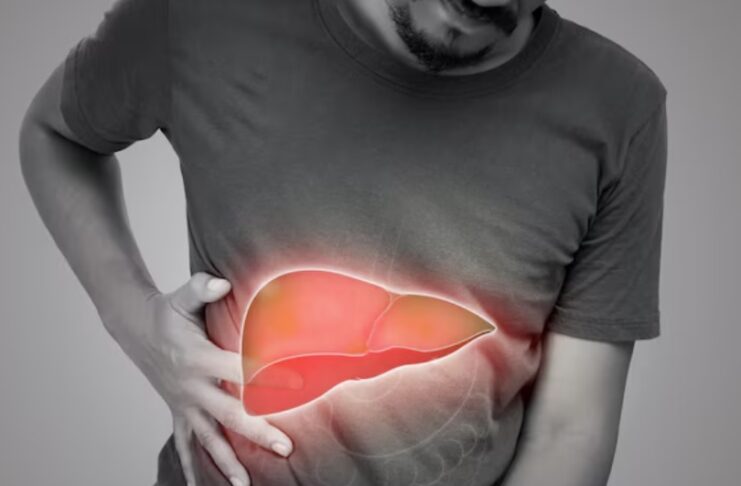
Most adults over 35 are dangerously low in one nutrient quietly fuelling fatty liver disease — and they have no idea.
KEY STATISTICS
- 90% of Americans do not meet the adequate intake for choline, according to the NIH.
- Non-alcoholic fatty liver disease now affects approximately 25% of the global adult population, per the Journal of Hepatology.
- Clinical studies show choline-deficient diets can induce measurable liver fat accumulation in as little as three weeks.
You eat reasonably well, you barely drink, and yet your last blood panel flagged elevated liver enzymes. The culprit almost nobody mentions is choline — a nutrient so consistently underconsumed that researchers now classify its deficiency as a quiet driver of one of the fastest-growing liver conditions in the world. If you are between 35 and 45, your liver is likely paying a price you have not yet been billed for.
What Choline Does Inside
Choline is an essential nutrient the body cannot produce in sufficient quantities on its own, meaning diet is the only reliable source. It plays a foundational role in building phosphatidylcholine, the primary structural component of every cell membrane in your body.
Without adequate choline, the liver loses its ability to package and export fat efficiently. Fat accumulates inside liver cells, triggering inflammation, scarring, and over time, the progression toward non-alcoholic fatty liver disease, or NAFLD. This process is not dramatic or painful — it is slow, silent, and measurable only through imaging or enzyme tests.
Choline also serves as a precursor to acetylcholine, a neurotransmitter critical for memory and muscle control. Low choline status is therefore not just a liver problem — it simultaneously undermines cognitive sharpness and physical function.
Why Your 30s Hurt
Between the ages of 35 and 45, the liver faces compounding pressures that amplify the damage of choline deficiency. Insulin resistance often begins quietly in this decade, and fat metabolism becomes less efficient even in people who appear outwardly healthy.
For women in this age group approaching perimenopause, the risk becomes especially acute. Estrogen stimulates the gene PEMT, which allows the body to synthesise some choline internally — once estrogen levels begin to fall, that internal production drops sharply, dramatically increasing dietary requirements.
Men in this age bracket are not protected either. Higher rates of visceral fat accumulation in mid-life males create a more hostile liver environment, and choline deficiency accelerates the progression from simple fat accumulation to active liver inflammation faster in the presence of existing metabolic stress.
Warning Signs To Watch
- Persistent fatigue that is not explained by poor sleep or overwork
- Brain fog, difficulty concentrating, or noticeable memory lapses
- Upper right abdominal discomfort or a feeling of fullness under the right rib cage
- Elevated ALT or AST liver enzymes on a routine blood panel
- Unexplained weight gain concentrated around the abdomen despite a stable diet
Foods That Fix It
The most direct way to correct choline deficiency is through targeted food choices, and the good news is that the richest sources are already common foods. Eggs are the single most accessible choline source available — one whole egg delivers approximately 147mg of choline, and the yolk is where nearly all of it lives. Discarding the yolk, as many health-conscious adults do, eliminates the benefit entirely.
Beef liver is the most concentrated source per gram of any food, delivering over 350mg per 75g serving, but for those who find organ meat unpalatable, salmon, chicken breast, shiitake mushrooms, and soybeans all provide meaningful amounts. Crucially, these foods need to be present in the diet consistently — choline is water-soluble and not stored in large quantities, so daily intake matters.
Exercise also plays a supporting role. Regular aerobic activity — even 30 minutes of brisk walking five days a week — improves hepatic fat clearance and reduces the liver’s vulnerability to choline shortfalls. Reducing ultra-processed foods and added sugars further lightens the liver’s workload, giving dietary choline more room to do its job.
Your Choline Action Plan
- Eat at least two whole eggs daily — do not discard the yolk, as it contains the choline
- Add one serving of salmon, chicken, or beef liver to your weekly meal plan and track it
- Include soybeans, edamame, or shiitake mushrooms as regular sides or meal additions
- Request a liver function panel (ALT, AST, GGT) at your next routine check-up if you have not had one recently
- Reduce ultra-processed food intake and refined sugar to lower overall liver inflammation while increasing choline-rich whole foods
The Factor Nobody Mentions
One factor that makes choline deficiency particularly insidious is its intersection with alcohol — even light, social drinking. Alcohol independently disrupts choline metabolism and depletes hepatic choline stores, meaning that even one or two drinks a few nights a week on an already-low choline diet can accelerate liver fat accumulation faster than either factor would alone.
Sleep quality is the second overlooked variable. Poor sleep elevates cortisol and disrupts fat metabolism, increasing the liver’s demand for choline at exactly the time when most adults in this age group are sleeping less and less well. Prioritising seven to eight hours of sleep is not just good general advice — it directly reduces the metabolic load your liver carries overnight.
Finally, some commonly prescribed medications — including metformin and certain blood pressure drugs — interfere with choline absorption or increase its utilisation. If you are on long-term medication, it is worth discussing choline status explicitly with your doctor, as this interaction is rarely flagged during routine prescriptions.
Bottom Line
Choline deficiency is not a fringe nutritional concern — it is a measurable, correctable driver of liver disease that affects the vast majority of adults who believe their diet is adequate. For anyone between 35 and 45, adding two whole eggs, a weekly serving of salmon or liver, and reducing processed food intake could make a clinically significant difference within weeks. Your liver is repairable at this stage — but only if you act before the damage deepens.
Always consult a qualified healthcare provider before making changes to your health routine.
Sources
- Dietary Reference Intakes for Choline — National Institutes of Health, Office of Dietary Supplements
- Global epidemiology of nonalcoholic fatty liver disease — Journal of Hepatology
- Choline: an essential nutrient for public health — Nutrition Reviews
- Dietary choline deficiency and liver injury — American Journal of Clinical Nutrition

