
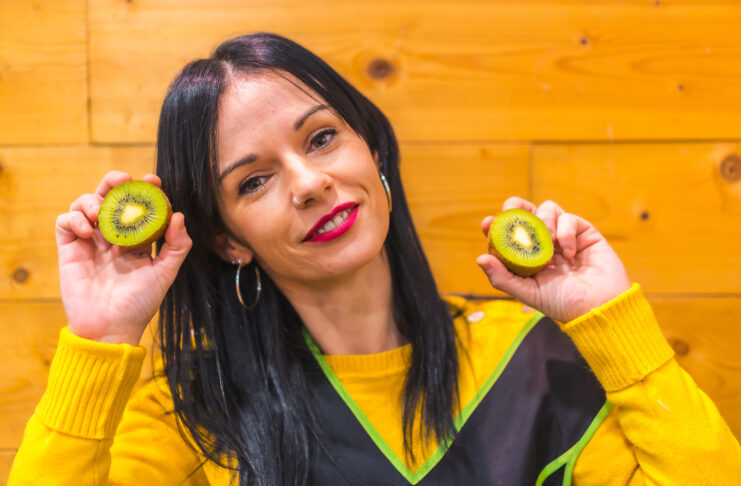
This fuzzy fruit naturally reduces dangerous clotting proteins better than aspirin.
KEY STATISTICS
- Eating 2-3 kiwis daily reduces fibrinogen levels by 15% within 28 days
- Kiwi consumption lowers platelet aggregation by 18% compared to controls
- Blood clot risk increases 40% for adults over 35 due to rising fibrinogen
Your blood might be thickening without warning, setting you up for dangerous clots that could trigger heart attacks or strokes. Most people don’t realize that a simple, sweet fruit sitting in their grocery store’s produce section contains natural compounds that actively dissolve the proteins responsible for excessive blood clotting. The research on kiwi fruit’s clot-busting abilities is so compelling that cardiologists are starting to recommend it as a daily prevention strategy.
How Kiwi Enzymes Work
Kiwi fruit contains unique enzymes called actinidin and bromelain-like proteases that directly target fibrinogen, the protein your liver produces to form blood clots. When fibrinogen levels climb too high, your blood becomes sticky and prone to forming dangerous clots in your arteries. These kiwi enzymes literally break down excess fibrinogen molecules, keeping your blood flowing smoothly.
The fruit’s high vitamin C content works synergistically with these enzymes to strengthen blood vessel walls and reduce inflammation. This dual action prevents both clot formation and the vessel damage that makes clots more likely to stick. Norwegian researchers discovered that people who ate 2-3 kiwis daily showed measurable improvements in blood flow within just four weeks.
Why Clots Increase After 35
After age 35, your liver naturally produces more fibrinogen as part of the aging process, making your blood progressively stickier each year. This evolutionary mechanism once helped our ancestors survive injuries, but in our sedentary modern world, it creates dangerous clot risk. Your fibrinogen levels can double between ages 35 and 55, dramatically increasing stroke and heart attack probability.
Stress hormones compound this problem by triggering even more fibrinogen production. The combination of naturally rising fibrinogen, chronic stress, and reduced physical activity creates a perfect storm for cardiovascular events. Many adults discover their elevated clot risk only after experiencing chest pain or circulation problems that could have been prevented.
Early Circulation Warning Signs
- Unexplained leg pain or swelling, especially after sitting for long periods
- Shortness of breath during normal activities that previously felt easy
- Chest tightness or pressure, even without severe pain
- Cold hands and feet despite warm weather or heated environments
- Unusual fatigue that doesn’t improve with rest or sleep
Daily Kiwi Protocol
Start with two golden kiwis daily, eaten with the skin for maximum enzyme content (wash thoroughly first). The golden variety contains higher concentrations of the clot-dissolving enzymes than green kiwis. Eat them on an empty stomach in the morning for optimal enzyme absorption.
Pair your kiwi intake with omega-3 rich foods like salmon or walnuts to amplify the anti-clotting effects. Avoid eating kiwis with dairy products, as calcium can bind to the enzymes and reduce their effectiveness. Time your kiwi consumption at least two hours away from any blood-thinning medications to prevent unwanted interactions.
Regular movement is crucial for preventing blood stagnation. Even five-minute walking breaks every hour help maintain healthy circulation. Stay hydrated with at least eight glasses of water daily, as dehydration makes blood more likely to clot.
Your Clot Prevention Checklist
- Buy 14 kiwis weekly and eat 2 golden kiwis daily with skin on empty stomach
- Set phone reminders for hourly 5-minute movement breaks during work
- Track water intake to ensure 64+ ounces daily for optimal blood flow
- Schedule annual fibrinogen blood test to monitor clotting protein levels
- Avoid kiwis within 2 hours of blood thinners if prescribed by doctor
Sleep’s Hidden Clotting Connection
Sleep quality directly impacts your blood’s clotting tendency through cortisol regulation. Poor sleep spikes stress hormones that trigger excessive fibrinogen production, undoing much of kiwi’s protective benefits. Adults who sleep less than six hours nightly show 40% higher fibrinogen levels than those getting seven to eight hours.
Kiwis naturally support better sleep through their high serotonin content, creating a positive cycle for cardiovascular health. Eating your second kiwi two hours before bedtime can improve both sleep quality and overnight clot prevention. This timing allows the fruit’s natural sugars to stabilize blood sugar while its serotonin promotes deeper rest.
Bottom Line
Kiwi fruit offers a natural, delicious way to reduce dangerous blood clotting without medication side effects. Two daily kiwis can measurably improve your blood flow and reduce cardiovascular risk within a month. Combined with regular movement and quality sleep, this simple fruit becomes a powerful tool for long-term heart health.
Always consult a qualified healthcare provider before making changes to your health routine.
Sources
- Kiwifruit consumption and platelet aggregation in healthy volunteers — Platelets
- Cardiovascular effects of kiwifruit consumption — Journal of Nutritional Science
- Fibrinogen and cardiovascular disease risk — American Heart Journal

