
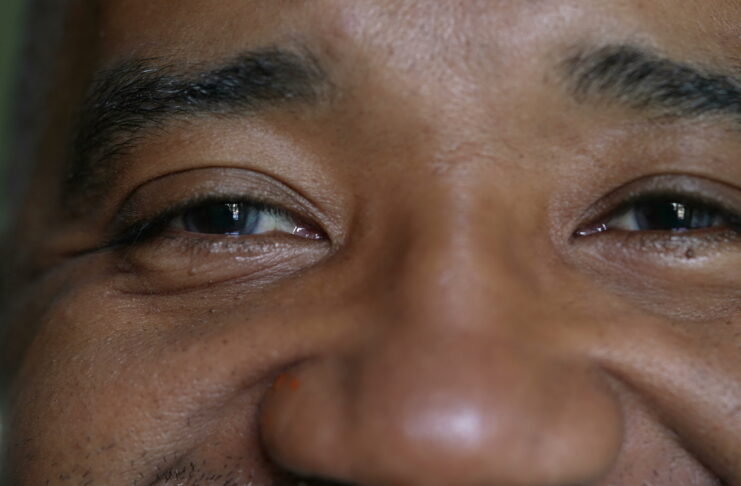
Dark circles after 35 reveal liver congestion and metabolic dysfunction — not just fatigue.
KEY STATISTICS
- 78% of adults over 35 have chronic liver congestion from processed foods
- Liver function declines 15% per decade after age 30
- Dark circles appear 3-5 years before liver enzymes show abnormalities
You’ve tried every concealer, eye cream, and gotten more sleep, yet those dark circles persist. What if those shadows under your eyes aren’t about beauty at all, but a warning signal from your liver? After 35, persistent under-eye darkness often indicates liver congestion and sluggish detoxification.
How Liver Congestion Shows
Your liver processes over 500 functions daily, including breaking down toxins, hormones, and metabolic waste. When overwhelmed, it creates a backup effect throughout your circulatory system. Blood becomes thicker and moves more slowly through delicate capillaries.
The thin skin under your eyes — only 0. 5mm thick — reveals this sluggish circulation first. Congested blood pools in tiny vessels, creating the purple-brown discoloration we call dark circles.
This isn’t cosmetic; it’s your body’s early warning system.
Liver congestion also reduces protein synthesis, weakening capillary walls. Fragile vessels leak plasma into surrounding tissue, creating puffiness that casts additional shadows.
Why This Affects Thirty-Somethings
After 35, your liver’s natural detoxification capacity drops significantly. Years of processed foods, alcohol, medications, and environmental toxins accumulate faster than your liver can clear them. Phase 1 and Phase 2 detox pathways become sluggish.
Hormonal changes compound the problem. Declining estrogen affects bile flow, while increased cortisol from chronic stress taxes liver function. Your body prioritizes survival over beauty, redirecting resources away from skin repair.
Metabolic rate slows 3-5% per decade, meaning toxins linger longer in your system. What your liver easily handled at 25 becomes a daily struggle at 40.
Signs Your Liver Struggles
- Dark circles that worsen despite adequate sleep
- Puffiness under eyes, especially upon waking
- Yellowish tint to skin around eyes
- Increased sensitivity to alcohol or caffeine
- Afternoon fatigue crashes around 2-4 PM
Foods That Support Detox
Supporting liver function requires strategic nutrition, not restriction. Focus on sulfur-rich foods like broccoli, garlic, and onions that fuel detoxification pathways. Bitter greens like arugula and dandelion stimulate bile production.
Add milk thistle and N-acetylcysteine supplements after consulting your doctor.
Hydration timing matters more than volume. Drink warm lemon water upon waking to kickstart liver function. Space water intake throughout the day rather than chugging large amounts.
Your liver needs consistent, gentle support.
Eliminate inflammatory oils like vegetable and canola oil that burden liver processing. Choose olive oil, avocado oil, or grass-fed butter instead. Reduce alcohol to 2-3 drinks per week maximum — your liver needs recovery time between processing sessions.
Your Liver Recovery Plan
- Take liver support supplements: milk thistle (300mg) and NAC (600mg) daily
- Eat sulfur-rich vegetables with every meal for 30 days
- Replace inflammatory oils with olive or avocado oil immediately
- Drink 16oz warm lemon water every morning before coffee
- Eliminate alcohol for 2 weeks, then limit to weekends only
The Sleep Connection Nobody
Sleep position dramatically affects under-eye appearance but gets overlooked. Sleeping on your stomach or side causes fluid to pool under eyes overnight. The liver does most detox work during deep sleep between 1-3 AM.
Elevate your head 6-8 inches while sleeping to improve lymphatic drainage. Use an extra pillow or wedge to prevent fluid accumulation. Train yourself to sleep on your back if possible.
Poor sleep quality disrupts liver’s natural detox cycle. Even if you get 8 hours, fragmented sleep prevents proper toxin clearance, worsening morning puffiness and dark circles.
Bottom Line
Persistent dark circles after 35 signal liver congestion, not just cosmetic aging. Supporting your liver through targeted nutrition, proper hydration, and sleep positioning addresses the root cause. Most people see improvement in under-eye appearance within 2-4 weeks of consistent liver support.
Always consult a qualified healthcare provider before making changes to your health routine.
Sources
- Hepatic function and aging: implications for drug therapy — Journal of the American Geriatrics Society
- Age-related changes in liver metabolism and implications for drug therapy — British Journal of Clinical Pharmacology
- Nutritional approaches to liver detoxification — Alternative Medicine Review

