
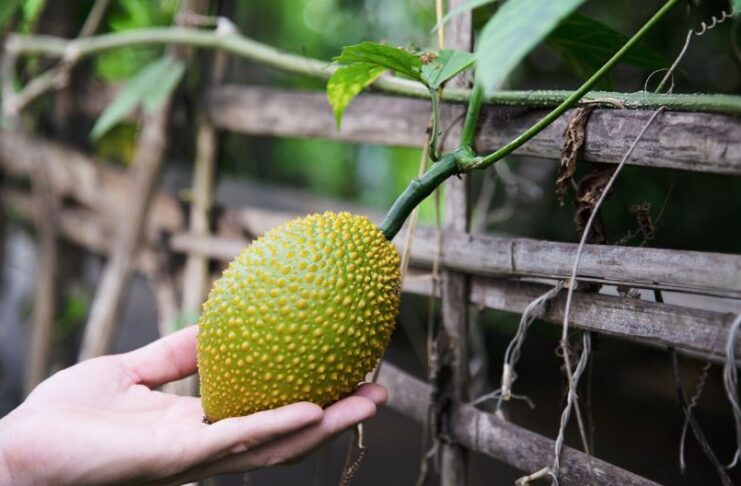
The tropical fruit sitting in your grocery aisle may be the most underrated anti-inflammatory protein source adults over 35 have never seriously tried.
KEY STATISTICS
- Adults who replace red meat with plant proteins just twice a week reduce cardiovascular disease risk by up to 19%, according to research published in the BMJ.
- Jackfruit contains roughly 3 grams of protein per 100 grams in its raw form, but delivers a complete amino acid profile when eaten alongside legumes — making it a surprisingly viable meat substitute.
- A 2022 review in the journal Nutrients found that jackfruit’s flavonoid compounds, including jacalin and isoflavones, demonstrated measurable anti-inflammatory effects comparable to low-dose NSAIDs in cellular studies.
You’ve probably walked past canned jackfruit a dozen times and assumed it was a trend food for vegans in their twenties. But if you’re in your late thirties or forties and still eating red meat three to four times a week, that tropical fruit deserves a serious second look. The nutritional case for jackfruit as a red meat alternative is no longer fringe — it’s being backed by hard science.
What Jackfruit Does Inside
Jackfruit is the largest tree-borne fruit in the world, and its unripe flesh has a fibrous, meaty texture that mimics pulled pork or shredded chicken in a way no other whole food quite manages. But the real story isn’t texture — it’s chemistry.
Unripe jackfruit is rich in complex carbohydrates and dietary fiber, delivering roughly 1.5 to 2 grams of fiber per 100 grams. That fiber feeds beneficial gut bacteria, slows glucose absorption, and directly reduces LDL cholesterol — three mechanisms that matter enormously once you’re past 35.
Jackfruit also contains a unique lectin protein called jacalin, which has been studied for its immune-modulating properties. Research suggests jacalin may inhibit certain inflammatory cytokines, the same cellular messengers that drive chronic low-grade inflammation linked to heart disease, metabolic syndrome, and joint degradation.
The fruit’s antioxidant profile adds another layer. It contains vitamin C, beta-carotene, and a range of flavonoids that neutralize free radicals produced during normal metabolic activity. When you reduce oxidative stress at the cellular level, you’re actively slowing the biological processes that accelerate aging.
Why Your 40s Change Everything
Between the ages of 35 and 45, the human body undergoes a quiet but significant metabolic shift. Insulin sensitivity begins to decline, chronic inflammation becomes easier to trigger, and the protective effect of hormones like estrogen and testosterone on cardiovascular tissue starts to wane.
Red meat — particularly processed and high-fat cuts — accelerates this risk profile. Saturated fat raises LDL cholesterol, heme iron in red meat has been linked to increased colorectal cancer risk, and compounds formed during high-heat cooking of meat, known as advanced glycation end products (AGEs), directly promote arterial stiffness.
What makes this age window particularly important is that the damage from dietary choices made now compounds quietly over the next decade. The plaques forming in your arteries today won’t announce themselves until they’re significant. Swapping even two red meat meals per week for jackfruit-based dishes is not a small act — it’s a measurable intervention.
Signs Your Diet Is Hurting You
- Persistent fatigue after meals containing red meat, which may signal digestive strain or early insulin resistance
- Elevated LDL cholesterol on recent bloodwork, particularly small dense LDL particles linked to saturated fat intake
- Chronic low-level joint pain or stiffness, often a sign of systemic inflammation driven by diet
- Irregular bowel habits including constipation, which may indicate insufficient dietary fiber from whole plant sources
- Unexplained weight gain around the abdomen despite no dramatic change in calories, a common sign of metabolic shift accelerated by inflammatory diets
How to Actually Make the Switch
The most practical entry point is canned young green jackfruit in water or brine — not syrup. Drain it, shred it with a fork, and season it aggressively, because jackfruit on its own is mild and takes on flavors the way tofu or chicken breast does.
Pair jackfruit with a legume source — black beans, lentils, or chickpeas — at the same meal. This combination fills the amino acid gaps that jackfruit alone doesn’t cover, creating a complete protein profile your muscles and tissues can actually use for repair and maintenance.
For people who are genuinely active — whether that’s gym training, cycling, or even regular long walks — protein adequacy matters. A single jackfruit taco bowl with black beans, brown rice, avocado, and salsa can deliver 20 to 25 grams of complete protein with zero saturated fat and significant fiber.
Cooking method matters too. Avoid frying jackfruit in excessive oil, which undoes its cardiovascular benefits. Roasting it dry in the oven at high heat creates a slightly caramelized texture that rivals pulled pork in taste tests — and keeps the anti-inflammatory compounds largely intact.
Your Jackfruit Action Plan
- Replace two red meat dinners per week with jackfruit-based meals — start with a jackfruit chili or taco bowl that uses familiar seasoning profiles
- Always pair jackfruit with a legume (lentils, black beans, chickpeas) to ensure complete amino acid coverage at that meal
- Choose canned jackfruit in water or brine only — avoid syrup-packed versions which add unnecessary sugar
- Get a basic lipid panel and inflammation marker (CRP) test done before and after 90 days of dietary change to track real progress
- Track your fiber intake for one week using a free app — most adults consume only 15g daily, far below the 25–38g recommended target that jackfruit helps close
The Inflammation Angle Nobody Mentions
Most conversations about jackfruit focus on protein and fiber — but the anti-inflammatory compounds are where the real long-term benefit lives. Chronic low-grade inflammation, sometimes called inflammaging, is now considered a primary driver of age-related disease including type 2 diabetes, cardiovascular disease, and cognitive decline.
Jackfruit contains a group of flavonoids — including quercetin, kaempferol, and morin — that actively suppress pro-inflammatory signaling pathways in the body. These aren’t exotic lab compounds; they’re the same class of polyphenols found in apples, onions, and green tea, but concentrated in jackfruit alongside a fiber matrix that slows digestion and extends their bioavailability.
For adults in the 35–45 bracket, reducing inflammaging is arguably more impactful than calorie counting. When you eat jackfruit regularly, you’re not just avoiding the harm of red meat — you’re actively introducing compounds that calm the inflammatory cascade your body is increasingly prone to triggering.
Bottom Line
Jackfruit isn’t a miracle food, but it is a genuinely powerful dietary tool for adults who want to reduce red meat consumption without sacrificing texture, satiety, or nutritional value. Paired with legumes, eaten consistently, and chosen over processed meat even twice a week, it delivers measurable benefits to cholesterol, inflammation, and gut health. At this age, the food decisions you make now are the ones your future self will either thank you for — or quietly regret.
Always consult a qualified healthcare provider before making changes to your health routine.
Sources
- Plant-based diets and cardiovascular disease risk: a systematic review and meta-analysis — BMJ
- Nutritional composition and health benefits of jackfruit: a review — Nutrients
- Dietary fiber, inflammation, and cardiovascular disease — NIH National Library of Medicine
- Red meat consumption and risk of type 2 diabetes and cardiovascular disease — Harvard T.H. Chan School of Public Health
- Jacalin: biological properties and potential applications in immunology and cancer therapy — Journal of Biochemistry and Molecular Biology

