
*What the CDC’s latest hantavirus guidance means for you—and why your home habits matter more than you think*
KEY STATISTICS
- Hantavirus pulmonary syndrome (HPS) has a fatality rate of approximately 38%, making early recognition critical.
- Most cases occur in people with direct or indirect exposure to infected rodent droppings, urine, or saliva in home and occupational settings.
- CDC guidance emphasizes that risk is not random—it correlates strongly with specific environmental and behavioral factors you can control.
You’ve probably never heard of hantavirus, and that’s exactly why the CDC issued an updated response in May 2026. Unlike flashier viral threats that dominate headlines, hantavirus quietly kills more than one in three people who develop severe infection. Unlike COVID or flu, you won’t catch it from another person—but you might already be breathing it in your garage, attic, or shed without knowing it.
How Hantavirus Invades Your Body
Hantavirus is a rodent-borne virus that spreads to humans through inhalation of aerosolized particles from infected rodent feces, urine, or saliva. When you breathe these particles, the virus enters your lungs and can trigger a severe inflammatory response. The illness typically progresses in two phases: an early, flu-like period followed by a critical pulmonary phase where fluid builds in the lungs.
- Infection occurs almost exclusively through breathing contaminated dust—not through bites or direct contact with rodents.
- The virus damages the capillaries in your lungs, causing fluid leakage and oxygen deprivation within days of symptom onset.
- No human-to-human transmission has been documented; your risk depends entirely on environmental exposure.
- Incubation ranges from 1 to 8 weeks, meaning you may be infected long before symptoms appear.
Why Your Age Group Is Vulnerable
Adults aged 35 to 45 face a particular convergence of risk factors. This age group often owns homes with established rodent problems, works in occupational settings where rodent exposure occurs, and may underestimate environmental hazards. Your immune system is no longer in its peak defensive state, but you’re still young enough to underestimate sneaking health threats.
- Middle-aged homeowners frequently encounter rodent droppings in attics, basements, or storage areas without proper protective measures.
- Occupational exposure in agriculture, construction, and warehouse work peaks in this age group and is often not flagged as a health risk.
- The decline in innate immune function that begins in the 40s makes severe disease progression more likely once infected.
- You’re less likely than younger people to seek immediate care for flu-like symptoms, delaying diagnosis when early intervention matters most.
Signs You Need Immediate Care
- Fever, chills, and muscle aches beginning 1-8 weeks after potential rodent exposure—resembles flu but doesn’t respond to typical cold remedies.
- Shortness of breath, coughing, or chest discomfort appearing 3-5 days into illness; this marks the critical pulmonary phase.
- Nausea, vomiting, abdominal pain, or diarrhea during the early phase (often mistaken for simple gastrointestinal illness).
- Rapid progression to severe respiratory distress, low oxygen levels, and shock within 48 hours of pulmonary symptoms—seek emergency care immediately.
- A history of recent cleaning, renovation, or time spent in rodent-infested areas combined with any respiratory illness symptoms.
Practical Steps to Lower Your Risk
Your daily habits determine your hantavirus risk far more than random chance. The CDC emphasizes environmental control and safe handling practices as your primary defense. Sealing rodent entry points, proper cleanup of contaminated areas, and basic respiratory precautions in high-risk spaces reduce your exposure to near zero.
- Seal all gaps larger than ¼ inch in your home’s exterior, foundation, and around pipes—rodents are the vector, elimination is the goal.
- Use snap traps or professional pest control rather than allowing populations to grow; living rodents shed virus continuously in homes.
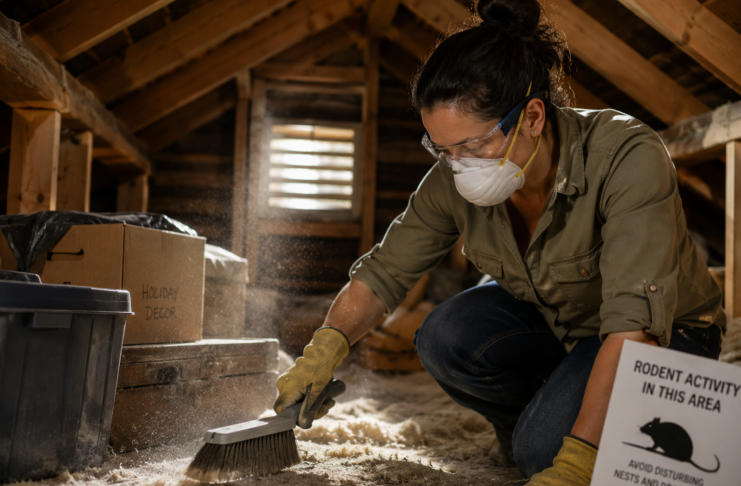
- When cleaning any rodent-contaminated area, dampen droppings first with disinfectant, wear gloves and N95 mask, and dispose of materials in sealed bags.
- Minimize time in enclosed spaces where rodent evidence exists (attics, sheds, crawl spaces); if you must enter, wear respiratory protection.
Your Week-One Action Checklist
- Inspect your home’s exterior this week for rodent entry points; use a flashlight to check foundation gaps, vents, and roof edges.
- If you find rodent droppings indoors, do not sweep or vacuum (creates aerosolized particles); contact a professional or follow CDC cleanup guidelines with full protection.
- Document any respiratory illness that follows potential rodent exposure and inform your healthcare provider of that exposure history immediately.
- Install door sweeps, repair window screens, and keep stored items elevated off floors to reduce rodent harboring areas.
- Schedule a professional rodent inspection if you live in areas with known hantavirus activity or have evidence of rodent presence.
Sleep, Stress, and Immune Defense
Sleep and stress deserve attention here because they shape your immune readiness if exposure occurs. Poor sleep reduces your body’s ability to mount an effective early immune response, while chronic stress impairs your capacity to recognize and act on warning signs. The CDC’s updated guidance implicitly stresses that baseline health resilience—not luck—determines survival when hantavirus is in play.
- Consistent sleep (7-9 hours nightly) strengthens antiviral immune responses; sleep deprivation slows your body’s recognition of viral infection.
- Stress management reduces inflammation and helps preserve immune function; elevated cortisol impairs your capacity to fight off respiratory pathogens.
- Vaccination against influenza and pneumococcal disease remains protective, as secondary bacterial infections complicate hantavirus pneumonia in stressed individuals.
- Staying physically active maintains respiratory function and immune surveillance, reducing progression severity if exposure does occur.
Bottom Line
Hantavirus is rare but deadly, and the CDC’s May 2026 update reinforces that your risk is not random—it flows directly from your environment and behavior. Adults in their late 30s and 40s are uniquely positioned to act: old enough to own and maintain homes, young enough to physically manage rodent exclusion and safe cleanup. The virus is preventable through deliberate action.
Seal your home, control rodent populations, and seek emergency care at the first sign of respiratory illness following any potential exposure. Your awareness and intervention today can mean the difference between a minor concern and a life-threatening crisis.
Live Long Daily — always consult a qualified healthcare provider before making changes to your health routine.
Sources
- CDC Online Newsroom – Hantavirus Response Update — Centers for Disease Control and Prevention
- General Hantavirus Guidance — CDC – Hantavirus Information
- Rodent-Borne Disease Prevention — NIH National Institute of Allergy and Infectious Diseases

